

Is Pilates Safe During Pregnancy? Key Benefits, Risks & Getting Started
- Navigating Common Challenges: Addressing Discomfort and Limitations During Prenatal Pilates
- Advanced Pilates Techniques for Pregnancy: Enhancing Strength and Mobility
- Frequently Asked Questions
Understanding the Fundamentals of Pilates for Pregnancy: Core Principles and Benefits
Pilates, often recognized for its focus on strengthening the core, offers a modified approach specifically beneficial during pregnancy. Understanding the core principles of Pilates and how they are adapted for expectant mothers is crucial for safe and effective practice. The emphasis shifts from traditional exercises to those that support the body’s changing structure and prepare it for labor and postpartum recovery.
At the heart of Pilates lies the concept of core engagement. However, during pregnancy, this isn’t about strenuous abdominal workouts. Instead, it involves gently activating the deep core muscles, including the transverse abdominis, pelvic floor muscles, and multifidus. These muscles provide stability to the spine and pelvis, which is particularly important as the growing uterus shifts the center of gravity and can lead to back pain. A strong, engaged core helps maintain proper posture and balance throughout pregnancy.
Pilates exercises often incorporate controlled movements and precise breathing techniques. This mindful approach fosters body awareness, allowing pregnant individuals to listen to their bodies and avoid overexertion. The focus is on quality of movement rather than quantity. For example, instead of performing crunches, pregnant individuals might do pelvic tilts or gentle abdominal drawing-in exercises. These modifications ensure the abdominal muscles are engaged without putting excessive pressure on the uterus.
Key Principles Adapted for Pregnancy
Several fundamental Pilates principles are specifically adapted for the needs of pregnant individuals:
- Breathing: Pilates emphasizes lateral thoracic breathing – inhaling into the sides and back of the ribcage, rather than lifting the chest. This encourages optimal lung capacity and promotes relaxation. Deep, diaphragmatic breathing is particularly beneficial for managing discomfort and anxiety during pregnancy.
- Centering: This refers to the connection of the deep core muscles. In pregnancy, it’s about finding a stable center within the body while accommodating the growing belly. Exercises focus on maintaining this core stability during movement.
- Control: All Pilates movements are performed with deliberate control, avoiding jerky or rushed motions. This minimizes stress on joints and muscles. The slow, controlled execution allows for better muscle activation and body awareness.
- Precision: Accuracy in movement is paramount. Focusing on the correct form ensures that the intended muscles are being worked effectively and reduces the risk of injury.
- Flow: Pilates emphasizes smooth transitions between exercises, creating a continuous, flowing sequence. This promotes a sense of connectedness within the body and enhances body awareness.
Benefits of Prenatal Pilates
Engaging in prenatal Pilates offers a multitude of benefits:
- Reduced Back Pain: By strengthening the core and improving posture, Pilates can alleviate and prevent back pain, a common complaint during pregnancy.
- Improved Pelvic Floor Strength: Pilates exercises specifically target the pelvic floor muscles, which are crucial for supporting the bladder, uterus, and bowel. Strengthening these muscles can reduce the risk of urinary incontinence and postpartum prolapse.
- Enhanced Balance and Stability: As the body’s center of gravity shifts, Pilates helps improve balance and stability, reducing the risk of falls.
- Increased Flexibility and Range of Motion: Gentle stretching and controlled movements can alleviate muscle tension and improve flexibility, easing discomfort associated with pregnancy.
- Preparation for Labor and Delivery: Certain Pilates exercises can help improve pelvic mobility and strengthen the muscles involved in labor, potentially leading to a smoother birthing experience.
Pilates, when practiced correctly and with the guidance of a qualified instructor experienced in prenatal Pilates, can be a safe and beneficial way for pregnant individuals to maintain strength, flexibility, and overall well-being. It’s always recommended to consult with a healthcare provider before starting any new exercise program during pregnancy.
Adapting Pilates Exercises for Each Trimester: Safety and Modifications
Pilates offers a wealth of benefits for women throughout their pregnancy, promoting core strength, flexibility, and body awareness. However, as the body undergoes significant changes during each trimester, modifications to traditional Pilates exercises are essential to ensure safety and comfort for both mother and baby. It’s crucial to consult with a healthcare provider and a certified prenatal Pilates instructor before beginning or continuing a Pilates practice during pregnancy.
First Trimester: Focusing on Foundation and Gentle Movement
The first trimester often brings fatigue and hormonal shifts. During this phase, the focus of Pilates should be on establishing a strong foundation and engaging gentle movements. Exercises should prioritize stability and avoid any deep abdominal contractions or inversions that could cause discomfort.
- Emphasis on Pelvic Floor Engagement: Gentle pelvic tilts and conscious breathing exercises are beneficial for strengthening the pelvic floor muscles, which support the uterus and other pelvic organs.
- Modified Core Work: Instead of traditional crunches, focus on drawing the navel gently towards the spine, engaging the deep core muscles without excessive strain. Exercises like pelvic bridges can safely strengthen the posterior chain.
- Gentle Spinal Mobility: Cat-cow variations can improve spinal flexibility without putting excessive pressure on the abdomen. Limit the range of motion as needed.
- Breathing Techniques: Diaphragmatic breathing is paramount in the first trimester. This type of breathing encourages relaxation and improves oxygen flow to both mother and baby.
Second Trimester: Addressing Growing Belly and Increased Weight
The second trimester typically sees a noticeable increase in abdominal size and weight. Modifications become more important to accommodate these changes and prevent discomfort. Exercises should focus on maintaining strength while respecting the growing belly.
- Tucking the Abdomen: Throughout all exercises, consciously tucking the abdomen will help protect the uterus and reduce pressure.
- Modifying Leg Lifts: Traditional leg lifts may need to be modified. Instead of high lifts, focus on smaller, controlled movements or lying on the side with a pillow under the knees.
- Chair Modifications: Utilizing a chair for support during exercises like squats or standing leg work can provide stability and reduce strain on the joints.
- Side-Lying Positions: Many exercises can be modified to be performed in a side-lying position with pillows for support, alleviating pressure on the abdomen.
- Focus on Postural Alignment: Maintaining good posture is essential in the second trimester. Pilates exercises can help strengthen the muscles needed for proper alignment. Studies within the field of physical therapy highlight the importance of postural support during pregnancy to mitigate back pain, a common concern during this trimester.
Third Trimester: Preparing for Labor and Delivery
The third trimester presents the greatest physical challenges due to the largest abdominal size. Exercises should be gentle, focusing on maintaining strength and flexibility while preparing the body for labor and delivery.
- Maintaining Range of Motion: Gentle stretches can help maintain flexibility in the hips, back, and shoulders, which can be beneficial during labor.
- Deep Breathing Exercises: Continued practice of diaphragmatic breathing is crucial for managing pain and promoting relaxation during labor.
- Pelvic Floor Exercises: Strengthening the pelvic floor remains a priority in the third trimester, preparing the muscles for childbirth.
- Avoid Lying Flat on the Back: After the first trimester, lying flat on the back can restrict blood flow to the uterus. Modifications should involve tilting to the side or using pillows for support.
- Listen to Your Body: It is vital to pay close attention to physical cues and stop any exercise that causes pain or discomfort.
Pilates during pregnancy is not only safe but can also be incredibly beneficial. By understanding the physiological changes that occur throughout each trimester and making appropriate modifications, expectant mothers can enjoy a supportive and strengthening practice. Remember, consistency and listening to your body are key to a positive Pilates experience during pregnancy.
Building Strength & Flexibility: Essential Pilates Exercises for a Healthy Pregnancy
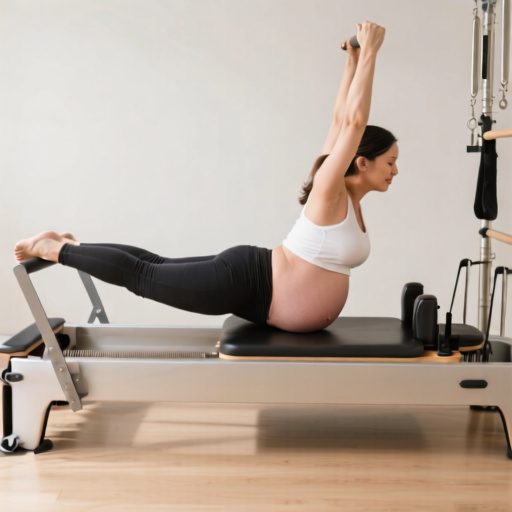
Pilates offers a supportive and effective way for pregnant individuals to maintain and improve both strength and flexibility. Often adapted to accommodate the changes of pregnancy, Pilates focuses on core engagement, which is crucial for supporting the growing belly and pelvic floor. The practice emphasizes controlled movements, breathing techniques, and precise muscle activation, making it a safe and beneficial exercise option when performed with modifications and under the guidance of a qualified instructor.
Gentle Core Engagement
A cornerstone of Pilates, core work in pregnancy shifts focus from traditional abdominal crunches to exercises that gently engage the deep core muscles—the transverse abdominis. This muscle acts like a natural support belt for the spine and pelvis. Exercises like the pelvic tilts and gentle abdominal drawing-in help to strengthen this area without putting excessive pressure on the uterus. The goal isn’t to achieve a toned abdominal appearance, but rather to stabilize the core and alleviate back pain, a common concern during pregnancy. Women can practice these movements lying on their back with a slight pelvic tilt, or seated with good posture. Proper form is paramount; focusing on controlled movement and breathing is more important than the range of motion.
Strengthening the Pelvic Floor
Pregnancy and childbirth can significantly impact the pelvic floor muscles, which support the bladder, uterus, and bowel. Pilates incorporates specific exercises to strengthen these muscles, often referred to as Kegel exercises. These involve consciously contracting and releasing the pelvic floor muscles. Regular practice helps improve pelvic floor tone, potentially reducing the risk of urinary incontinence and aiding in postnatal recovery. A qualified instructor can provide guidance on proper Kegel technique, ensuring the correct muscles are engaged and avoiding over-contraction. It’s important to note that pelvic floor exercises should never be performed during a urinary or bowel movement.
Enhancing Flexibility & Mobility
As the body undergoes hormonal and physical changes during pregnancy, flexibility can decrease. Pilates exercises promote gentle stretching and improved mobility in the hips, back, and shoulders. Exercises like the “rolling like a ball” and spinal articulation help to maintain spinal health and alleviate stiffness. These movements encourage a wider range of motion without forcing the body into uncomfortable positions. Maintaining flexibility can also contribute to easing discomfort associated with pregnancy, such as sciatica or tight hips. A focus on breathwork during these stretches can enhance relaxation and deepen the release.
Modifications for Each Trimester
Pilates routines are adaptable to the changing needs of each trimester. In the first trimester, the focus is often on establishing a baseline of core strength and gentle flexibility. During the second and third trimesters, modifications are made to accommodate the growing belly, such as reducing the range of motion or performing exercises seated or lying on the side. Avoidance of exercises that involve lying flat on the back for extended periods is typically recommended in later pregnancy to prevent pressure on major blood vessels. A knowledgeable instructor will be able to tailor the exercises to the individual’s stage of pregnancy and physical condition.
Safe Practices & Considerations
Prioritizing safety is essential when practicing Pilates during pregnancy. It is crucial to consult with a healthcare provider before beginning any new exercise program. Look for instructors who are specifically trained and certified in prenatal Pilates. These instructors understand the physiological changes of pregnancy and can provide appropriate modifications and guidance. Listen to your body and stop if you experience any pain, dizziness, or discomfort. Hydration is also important, and it’s advisable to avoid overheating. Prenatal Pilates should be viewed as a supportive practice, enhancing well-being rather than pushing physical limits.
References
- https://www.mayoclinic.org/healthy-lifestyle/pregnancy-week-by-week/expert-answers/exercise-during-pregnancy/faq-20058002
- https://www.aap.org/en-us/patient-education/pregnancy-and-newborn/exercise-during-pregnancy/
Pilates for Core Strength & Postpartum Recovery: Rebuilding After Birth
The postpartum period brings significant physical changes for women. The body has undergone the immense process of pregnancy and childbirth, impacting core strength, pelvic floor function, and overall stability. Pilates offers a gentle yet effective approach to rebuilding strength and addressing these specific needs. It’s crucial to understand how Pilates can safely support recovery and what considerations are important for new mothers.
Understanding the Postpartum Body
After giving birth, several physical adjustments occur. The abdominal muscles, which supported the growing uterus and baby, are often weakened and separated (diastasis recti). The pelvic floor muscles, crucial for bladder, bowel, and sexual health, can also be stretched and weakened. These changes can contribute to back pain, pelvic pain, and difficulty with everyday movements. Gentle, targeted exercise is vital for restoring strength and function.
How Pilates Aids Postpartum Recovery
Pilates focuses on strengthening the deep core muscles – the transverse abdominis, multifidus, and pelvic floor – which form a natural corset supporting the spine and pelvis. This is particularly beneficial in addressing diastasis recti. Specific Pilates exercises, when performed correctly and with appropriate modifications, can help knit the abdominal muscles back together. Furthermore, Pilates emphasizes controlled movements and mindful breathing, promoting body awareness and improving posture. This can alleviate back pain and improve overall body mechanics.
Key Benefits of Pilates Postpartum:
- Core Strengthening: Rebuilds weakened abdominal and back muscles.
- Pelvic Floor Support: Strengthens muscles essential for bladder and bowel control.
- Diastasis Recti Management: Specific exercises can help close the abdominal gap.
- Improved Posture: Enhances alignment and reduces strain on the spine.
- Increased Body Awareness: Promotes a deeper connection with physical sensations.
- Reduced Back Pain: Strengthens supporting muscles and improves spinal stability.
- Enhanced Recovery: Supports the body’s natural healing processes.
Modifications and Considerations
It’s essential to approach Pilates postpartum with caution and under the guidance of qualified professionals. Beginners should avoid exercises that put excessive pressure on the abdominal muscles or pelvic floor. Modifications are key, and a trained Pilates instructor with postpartum experience can tailor a program to individual needs and recovery stage.
Exercises to Approach with Caution Initially:
- Planks: May need modification to a modified plank on knees.
- Crunches: Can place excessive strain on the abdominal muscles.
- Leg Raises: Should be performed with controlled movement and awareness.
Instead, focus on foundational Pilates exercises that engage the deep core without overworking the superficial muscles. These include pelvic tilts, abdominal drawing in, and gentle bridge exercises. It is important to listen to your body and stop if you experience any pain or discomfort. Prematurely engaging the abdominal muscles can hinder healing and potentially worsen diastasis recti.
When to Seek Professional Guidance
Consulting with a healthcare provider, such as an Obstetrician-Gynecologist or a physical therapist specializing in pelvic floor health, is recommended before starting any postpartum exercise program. They can assess individual recovery and provide personalized recommendations. A certified Pilates instructor experienced in working with postpartum women can guide exercise selection, ensure proper form, and offer modifications as needed. Look for instructors with certifications in prenatal and postnatal Pilates, such as those offered by organizations like the Pilates Method Alliance (PMA).
Practical Tips for Safe Pilates
- Start Slowly: Begin with gentle exercises and gradually increase intensity and duration.
- Focus on Breathing: Proper breathing is crucial for engaging the core muscles.
- Listen to Your Body: Pay attention to any pain or discomfort and stop if necessary.
- Engage Your Pelvic Floor: Consciously activate the pelvic floor muscles during exercises.
- Seek Professional Guidance: Work with qualified instructors and healthcare providers.
Pilates offers a valuable pathway to postpartum recovery, promoting core strength, pelvic floor health, and overall well-being. By prioritizing safe practices, seeking expert guidance, and listening to their bodies, new mothers can effectively rebuild strength and regain function after childbirth.
Navigating Common Challenges: Addressing Discomfort and Limitations During Prenatal Pilates
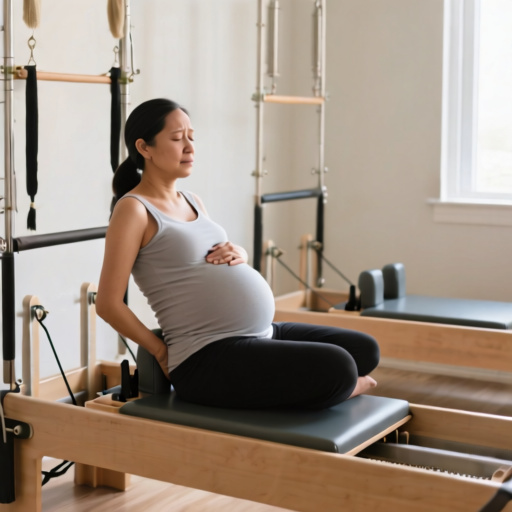
Pregnancy brings a wave of physiological changes, and these often manifest as new physical sensations and limitations. While Prenatal Pilates offers numerous benefits, it’s essential to acknowledge and navigate potential challenges that may arise. Understanding these common hurdles allows expectant mothers and instructors to approach sessions with awareness and modifications, ensuring a safe and beneficial experience.
One of the most frequently reported experiences is changes in body mechanics. As the uterus expands, the center of gravity shifts, altering posture and potentially straining muscles. This can lead to discomfort in the lower back, hips, and pelvis. Prenatal Pilates aims to strengthen core muscles, which play a crucial role in supporting the spine and pelvis. However, instructors must be attuned to individual limitations and offer modifications to accommodate these shifts. For instance, exercises that involve deep abdominal engagement might need to be adapted or avoided altogether during certain trimesters.
Another common challenge is dealing with increased joint laxity. Hormonal changes during pregnancy, particularly the release of relaxin, cause ligaments to loosen to prepare the body for childbirth. This increased flexibility, while essential for labor, can also make joints more susceptible to overstretching or injury. Pilates exercises that involve rapid or jerky movements should be avoided, and emphasis should be placed on controlled, flowing motions. Instructors often incorporate exercises that improve joint stability and proprioception – the body’s awareness of its position in space – to mitigate these risks.
Physical discomfort, such as fatigue, nausea, and shortness of breath, can also influence a prenatal Pilates practice. Fatigue is a very common complaint, especially during the first and third trimesters. Sessions may need to be shorter or held at a slower pace. Shortness of breath can be exacerbated by the expanding uterus putting pressure on the diaphragm. Modifications like resting more frequently or adjusting posture to promote optimal lung capacity can be beneficial. It’s important for mothers to listen to their bodies and communicate any discomfort to the instructor.
Furthermore, accessing certain Pilates equipment might present limitations. While mat Pilates is perfectly suitable and often preferred during pregnancy, some exercises traditionally performed on specialized equipment like the Reformer might need to be adapted or avoided. The instructor’s expertise in prenatal modifications becomes crucial here. They can offer effective alternatives that achieve similar muscle engagement while prioritizing safety and comfort. This might involve using props like resistance bands or focusing on bodyweight exercises.
Emotional and psychological factors can also play a role. Hormonal fluctuations can lead to mood swings and anxiety, which might impact a person’s ability to fully engage with an exercise session. A supportive and understanding instructor can create a safe and encouraging environment. Gentle cues and positive reinforcement can help alleviate stress and promote relaxation. Mindfulness techniques often integrated into Pilates can also be particularly helpful during pregnancy.
To address these common challenges, open communication between the expectant mother and the Pilates instructor is paramount. Regular check-ins about comfort levels, any pain or discomfort experienced, and any concerns are essential. Instructors who are specifically trained in prenatal Pilates possess the knowledge and skills to provide appropriate modifications and adjustments. This tailored approach ensures that each session is safe, effective, and enjoyable, allowing mothers to reap the numerous benefits of Pilates throughout their pregnancy.
Creating a Personalized Pilates Program: Designing Safe & Effective Workouts
Pilates offers a wealth of benefits for pregnant individuals, but a one-size-fits-all approach is not recommended. A personalized program ensures safety and effectiveness throughout all trimesters. This section explores how to design a Pilates routine tailored to the unique needs and physical changes experienced during pregnancy.
The first step in creating a personalized Pilates program is understanding individual needs and limitations. Every pregnancy is different, and factors like pre-existing fitness levels, prior Pilates experience, and any complications during the pregnancy will influence the workout design. Consulting with an obstetrician or midwife is crucial to get clearance for exercise and discuss any specific restrictions. Furthermore, a qualified Pilates instructor experienced in prenatal Pilates is invaluable. They can assess the individual’s current condition, identify potential risks, and modify exercises accordingly. This professional guidance elevates safety and ensures exercises are performed correctly.
The physical changes of pregnancy significantly impact the body’s mechanics. As the belly grows, the center of gravity shifts, altering posture and balance. Hormonal changes also contribute to increased flexibility in the pelvic joints, which can affect stability. During the first trimester, nausea and fatigue may limit the intensity and duration of workouts. The second trimester often brings increased energy and a more comfortable period for exercise, while the third trimester necessitates modifications to accommodate the growing belly and potential discomfort. Understanding these changes allows for adjustments in exercise selection and modifications to protect both the mother and the baby.
Core Principles for Prenatal Pilates
Several core principles guide the creation of a safe and effective prenatal Pilates program:
- Focus on Core Engagement: Prenatal Pilates emphasizes deep core engagement, not necessarily abdominal crunches. The focus is on stabilizing the pelvic floor and deep abdominal muscles to support the spine and pelvis. This helps alleviate back pain, a common complaint during pregnancy.
- Modifications are Key: Many traditional Pilates exercises need modification during pregnancy. Exercises that put excessive pressure on the abdomen or involve lying flat on the back should be adapted or avoided. Alternative exercises that provide similar benefits can be incorporated. For instance, instead of a traditional roll-up, a pelvic tilt or a modified bridge exercise might be used.
- Gentle Stretching and Flexibility: Prenatal Pilates incorporates gentle stretching to improve flexibility, range of motion, and alleviate muscle tension. Focus is placed on stretches that address common pregnancy discomforts like tight hips and lower back pain.
- Breathwork: Pilates emphasizes controlled breathing, and this is particularly important during pregnancy. Diaphragmatic breathing helps to engage the core, reduce stress, and improve oxygen flow to both the mother and the baby.
Sample Exercises and Modifications
A personalized prenatal Pilates program often includes exercises targeting specific areas:
- Pelvic Floor Activation: Kegel exercises are fundamental and help strengthen the pelvic floor muscles, crucial for supporting the uterus and preventing urinary incontinence.
- Deep Core Stabilization: Exercises like pelvic tilts, diaphragmatic breathing, and gentle transverse abdominis activation help build core strength without straining the abdominal muscles.
- Hip and Leg Strengthening: Exercises such as leg circles, clamshells, and gentle bridge variations strengthen the hip muscles, which support the lower back and pelvis.
- Spinal Mobility: Gentle spinal movements, like cat-cow variations (modified with caution and instructor guidance), improve spinal flexibility and reduce stiffness.
It’s important to note that exercises should be progressed gradually as the pregnancy progresses. What feels comfortable and safe in the first trimester may need adjustment in the third.
Safety Considerations
Several considerations are paramount for safe prenatal Pilates:
- Avoid Overheating: Pregnancy increases the risk of overheating. Ensure a cool workout environment and stay hydrated.
- Listen to Your Body: Pain is a sign to stop. Never push through pain.
- Avoid Deep Twisting: Deep twisting movements should generally be avoided, especially in the third trimester.
- Maintain Good Posture: Be mindful of posture throughout the workout.
- Proper Form is Essential: Focus on maintaining correct form to prevent injuries.
By incorporating these principles and considerations, a personalized Pilates program can empower pregnant individuals to maintain strength, flexibility, and well-being throughout their pregnancy, preparing them for labor and postpartum recovery.
Disclaimer: This information is for general knowledge and informational purposes only, and does not constitute medical advice. It is essential to consult with a qualified healthcare professional or certified prenatal Pilates instructor before beginning any new exercise program during pregnancy.
Advanced Pilates Techniques for Pregnancy: Enhancing Strength and Mobility
As pregnancy progresses, the body undergoes significant changes, impacting core strength, posture, and flexibility. While foundational Pilates exercises remain beneficial throughout, advanced techniques offer further opportunities to adapt to these shifts and support a healthy pregnancy. These advanced adaptations focus on controlled movements, increased stability demands, and mindful engagement of the deeper core muscles.
One key area of advancement involves incorporating more challenging core engagement. Beyond basic abdominal work, pregnant individuals can explore exercises that emphasize pelvic floor activation and transverse abdominis engagement. This deep core stabilization is crucial for supporting the growing uterus and managing the increased pressure on the pelvic region. For example, modified Pilates rolls, performed with careful control and pelvic floor awareness, can enhance core strength without undue strain. A freelance photographer, experiencing discomfort in her lower back during her third trimester, incorporated these modified rolls into her weekly Pilates sessions, reporting a noticeable decrease in pain and improved pelvic stability within a few weeks.
Furthermore, advanced Pilates incorporates more complex movements that challenge balance and proprioception. As the center of gravity shifts during pregnancy, maintaining equilibrium becomes more difficult. Exercises like standing leg series with modifications for stability, and controlled transitions between Pilates mat and reformer, help to improve balance and strengthen the muscles responsible for postural control. These are often adapted by reducing the range of motion or providing a stable support surface, ensuring safety and comfort. The ability to maintain balance is not only beneficial during pregnancy but also postnatal, aiding in a smoother return to activity.
Adaptations to traditional Pilates exercises are also crucial at this stage. For instance, exercises involving spinal flexion may need modification or avoidance in later trimesters due to increased pressure on the abdominal organs. Instead, focus shifts to strengthening the back extensors and promoting spinal stability through exercises like single-leg balances and controlled back extensions performed with careful alignment. These adjustments ensure that the exercises continue to provide benefit without posing risks.
Key Advanced Pilates Techniques for Pregnancy:
- Pelvic Floor Activation Exercises: Focus on conscious contraction and release of pelvic floor muscles.
- Transverse Abdominis Engagement: Deep core activation for spinal stability.
- Advanced Core Stabilization Exercises: Modified rolls, single-leg stability work.
- Controlled Spinal Mobility: Gentle flexion, extension, and rotation with mindful movement.
- Proprioceptive Challenges: Exercises that improve awareness of body position and movement.
- Reformer Variations: Utilizing the reformer for assisted movements and increased resistance.
- Mindful Breathing Techniques: Deep, controlled breathing to enhance core engagement and relaxation.
Integrating these advanced techniques requires careful consideration and often guidance from a Pilates instructor experienced in prenatal care. Individual needs and comfort levels should always be prioritized. A qualified professional can tailor exercises to the specific stage of pregnancy and address any individual limitations or concerns. This personalized approach ensures that advanced Pilates remains a safe and effective way to enhance strength, mobility, and overall well-being during pregnancy. Building on the foundation of earlier Pilates practice, these advanced techniques empower expectant mothers to navigate the physical changes of pregnancy with greater confidence and ease.
Frequently Asked Questions
- How does Pilates benefit pregnant women?
Pilates during pregnancy focuses on strengthening the deep core muscles, which helps improve posture, balance, and prepare the body for labor and postpartum recovery.
- What kind of exercises are safe for pregnancy Pilates?
Pregnancy Pilates emphasizes controlled movements and modifications to traditional exercises. Instead of strenuous crunches, pregnant individuals might do pelvic tilts or gentle abdominal drawing-in exercises.
- How important is breathing in Pilates for pregnancy?
Breathing is a crucial aspect of Pilates for pregnant women. Deep, diaphragmatic breathing promotes relaxation, manages discomfort, and improves lung capacity.

0 Comments