

- Understanding the Core Principles of Lagree Fitness: A Comprehensive Overview
- Lagree vs. Pilates: Deconstructing the Key Differences in Method and Movement
- Building Strength and Endurance: A Comparative Analysis of Core Engagement in Lagree and Pilates
- Targeting Flexibility and Mobility: How Each Workout Impacts Range of Motion
- Designing Your Ideal Workout: Tailoring Lagree and Pilates to Your Fitness Goals
- Avoiding Common Injuries: Best Practices for Safe and Effective Lagree and Pilates Workouts
- Choosing the Right Workout for You: A Personalized Guide to Lagree and Pilates Suitability
- Frequently Asked Questions
Understanding the Core Principles of Lagree Fitness: A Comprehensive Overview
Lagree Fitness presents a distinct approach to exercise, diverging significantly from traditional methods like Pilates and offering its own set of fundamental principles. At its core, Lagree emphasizes low-impact, high-resistance training designed to build strength, endurance, and flexibility. This unique methodology relies heavily on the Lagree Reformer, a specialized machine that utilizes a system of springs to provide varying levels of resistance. Understanding these core principles is key to appreciating the workout’s effectiveness and potential benefits.
One of the most defining aspects of Lagree is its focus on muscle endurance rather than pure muscular strength or hypertrophy. While strength is undeniably built, the primary goal is to fatigue muscles through constant tension over a sustained period. This is achieved by manipulating the spring resistance, allowing individuals to tailor the workout to their fitness level. Unlike weightlifting, which often focuses on lifting heavier weights for fewer repetitions, Lagree exercises often involve a higher number of repetitions with lighter to moderate resistance, keeping the muscles engaged throughout the entire range of motion.
The use of the Lagree Reformer is integral to the workout’s effectiveness. The machine’s system of springs creates a continuously variable resistance, meaning the challenge isn’t static. As muscles fatigue, the resistance remains consistent, preventing plateaus and promoting ongoing muscle engagement. This constant challenge is a key differentiator from many other forms of exercise. Furthermore, the Reformer allows for a wide variety of exercises targeting all major muscle groups. From core work and lower body strengthening to upper body toning, the machine’s versatility is a significant advantage.
Another critical principle is the emphasis on core engagement. Lagree exercises are designed to challenge the deep core muscles – including the transverse abdominis, obliques, and multifidus – which play a vital role in stability and injury prevention. Many exercises require constant stabilization, forcing the core to work tirelessly throughout the movement. This focus on core strength translates to improved posture, balance, and overall functional fitness, benefits often overlooked in more traditional workout routines.
The workout typically follows a structured flow, often incorporating a warm-up, core activation exercises, primary exercises targeting specific muscle groups, and a cool-down. This systematic approach ensures a comprehensive workout that addresses various fitness components. Instructors guide participants through the exercises, emphasizing proper form and technique to maximize effectiveness and minimize the risk of injury.
While the Lagree Reformer is central, the principles extend beyond the machine itself. The workout philosophy encourages controlled movements, focusing on quality over quantity. The emphasis is on feeling the muscles work throughout the entire range of motion, promoting a deeper connection between mind and body. This mindful approach to exercise is a hallmark of Lagree and contributes to its effectiveness in building sustainable strength and improved body composition.
The low-impact nature of Lagree makes it accessible to a wide range of individuals, including those with joint issues or injuries. The adjustable spring resistance allows for modifications to suit different fitness levels and physical limitations. However, it’s important to note that while low-impact, Lagree can be a very challenging workout, demanding significant muscular endurance and core stability.
Lagree vs. Pilates: Deconstructing the Key Differences in Method and Movement
Lagree and Pilates are both popular exercise modalities focused on core strength, flexibility, and control. While they share some similarities, their approaches to achieving these benefits differ significantly. Understanding these distinctions is crucial for individuals seeking the most effective workout to meet their fitness goals.
At its core, Pilates, developed by Joseph Pilates in the early 20th century, emphasizes precise movements and controlled breathing to strengthen the deep core muscles. Pilates exercises often utilize specialized equipment like the Reformer, Cadillac, and Chair to provide resistance and support, facilitating focused muscle engagement. The methodology prioritizes spinal alignment and mindful movement patterns, encouraging a strong mind-body connection. A typical Pilates class involves a sequence of exercises designed to build foundational strength and improve posture.
Lagree Fitness, on the other hand, is a high-intensity workout inspired by Pilates but amplified with the addition of a Lagree machine. This machine, often called the Mega, uses adjustable springs to create a significant amount of resistance. Lagree classes are typically 50-minute, full-body workouts that involve a rapid sequence of exercises performed on the machine, often with minimal rest. The emphasis is on progressively overloading the muscles and achieving muscular endurance.
One key difference lies in the intensity. While Pilates can be challenging, Lagree is generally considered a higher-intensity workout due to the spring-based resistance. The Mega machine’s adjustable springs allow for a wide range of resistance levels, enabling users to customize the workout to their fitness level. Pilates classes, while varying in intensity based on the exercises chosen, typically maintain a more moderate pace.
The equipment also plays a vital role in differentiating the two disciplines. Pilates utilizes a variety of apparatus designed to assist and challenge movement. These tools allow for targeted muscle work and assistance with exercises. Lagree Fitness, however, centers almost entirely around the Mega machine. This machine provides versatile resistance capabilities, making it possible to perform a wide array of exercises that work nearly every muscle group. This focus on a single, powerful piece of equipment contributes to the signature Lagree workout experience.
Consider the abdominal exercises. In Pilates, exercises like the Hundred or Roll-Up focus on controlled movements and engaging the transverse abdominis, the deep core muscle. In Lagree, exercises such as the Ab Crusher utilize the Mega machine’s resistance to create a significantly more intense abdominal workout, often involving rapid, controlled contractions.
Both methods share a focus on core engagement, but the way they achieve this differs. Pilates builds core strength through controlled, precise movements, whereas Lagree builds it through sustained muscle engagement under significant resistance. Both can lead to improved postural alignment. However, the speed and intensity of movement in Lagree often result in a more noticeable cardiovascular challenge.
Deciding between Lagree and Pilates depends entirely on individual preferences and goals. Those seeking a slower-paced, mind-body focused workout with an emphasis on precision and alignment might find Pilates more appealing. Individuals looking for a high-intensity, full-body workout that builds muscular endurance and provides a significant cardiovascular challenge may prefer Lagree.
Building Strength and Endurance: A Comparative Analysis of Core Engagement in Lagree and Pilates
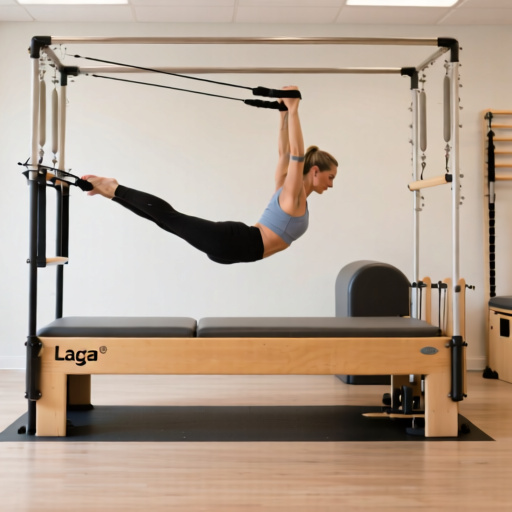
Both Lagree and Pilates are highly effective workout modalities focused on strengthening the core. However, their approaches to core engagement differ significantly, leading to distinct benefits and workout experiences. Understanding these differences is crucial for individuals seeking to enhance their core strength, improve stability, and build overall functional fitness.
At the heart of both disciplines lies the principle of engaging the deep core muscles – including the transverse abdominis, obliques, and pelvic floor. This engagement isn’t about simply flexing abdominal muscles; it’s about creating a stable foundation for movement. Pilates, originating in the early 20th century, emphasizes controlled, precise movements that cultivate this deep core connection. Exercises like the Hundred, Roll Up, and Single Leg Circle require sustained activation of these muscles to maintain form and control. The focus is on mindful movement and precise execution, building a foundational strength. Often incorporating specialized equipment like the Reformer, Cadillac, and Chair, Pilates provides progressive resistance to deepen core engagement.
Lagree Fitness, a more contemporary approach, takes core engagement to a different level through its signature machine: the Megaformer. This apparatus combines elements of Pilates, cardiovascular training, and strength exercises. A key characteristic of Lagree is the sustained engagement required throughout each exercise. Unlike some Pilates movements that involve short bursts of intense activation, Lagree exercises necessitate continuous core bracing to stabilize the body against the resistance of the springs. This sustained engagement leads to significant muscular endurance development. Exercises like the Shoulder Bridge, Saw, and Plank variations demand constant activation of the core to prevent unwanted movement and maintain proper form. A study published in the Journal of Strength and Conditioning Research found that Lagree Fitness training resulted in significant improvements in core stability compared to traditional abdominal exercises.
The nature of the resistance also contributes to the distinct core engagement in each workout. Pilates often utilizes bodyweight and the resistance of the Reformer’s springs, allowing for a wide range of controlled movements. Lagree’s Megaformer provides variable and often heavier resistance, demanding greater muscular effort to control movement. This difference means that while Pilates builds a strong, controlled core, Lagree particularly excels at developing muscular endurance and the ability to maintain core stability under load.
Consider a scenario: an individual aiming to improve posture and reduce lower back pain. Pilates, with its emphasis on spinal alignment and deep core activation, can be highly beneficial. The controlled movements help to strengthen the muscles that support the spine. Lagree, with its sustained core engagement and emphasis on stabilization, can also be effective, further reinforcing core strength and endurance to better manage postural challenges. However, someone focused on athletic performance, requiring high levels of core stability during dynamic movements, might find Lagree’s sustained resistance particularly advantageous.
Here’s a comparison of key aspects of core engagement in each workout:
- Pilates: Focuses on controlled, precise movements and deep core connection.
- Lagree: Emphasizes sustained core engagement against variable spring resistance.
- Resistance: Primarily bodyweight and Reformer springs in Pilates; heavier, variable springs in Lagree.
- Emphasis: Building foundational core strength and stability in Pilates; developing muscular endurance and stability under load in Lagree.
- Movement Quality: Mindful, controlled execution in Pilates; sustained, braced engagement in Lagree.
Ultimately, the “better” workout depends on individual goals and preferences. Pilates offers a more foundational approach to core strength, while Lagree provides a more intense challenge focused on endurance and stability under resistance. Both can significantly contribute to a stronger, more stable core, but through different pathways.
Targeting Flexibility and Mobility: How Each Workout Impacts Range of Motion
Both Lagree and Pilates place a significant emphasis on flexibility and mobility, but they approach achieving these goals through distinct methodologies. Understanding these differences is key to choosing the workout that best aligns with individual needs and desired outcomes. Range of motion, the extent to which a joint can move, is a fundamental aspect of overall physical function and athletic performance. Both workout styles aim to improve it, but their techniques and the specific areas of the body they target differ considerably.
Pilates, originating in the early 20th century, focuses on core strength, precise movements, and mindful control. The exercises often involve controlled lengthening and contracting of muscles, emphasizing spinal alignment and stability. This approach directly contributes to increased flexibility by strengthening the muscles that surround joints and improving their ability to move through a full range. For example, the Pilates “Five Points of Support” principle encourages deep core engagement, which in turn stabilizes the spine and pelvis, allowing for greater freedom of movement in the limbs. A consistent Pilates practice often results in improved hamstring flexibility, shoulder mobility, and spinal articulation. The emphasis on breath control also plays a crucial role; deep, conscious breathing can help relax muscles and increase joint range.
Lagree, a more contemporary workout, builds upon Pilates principles but incorporates a high-intensity, resistance-based approach using the Mega machine. This machine utilizes spring-based resistance, offering a variable load that challenges muscles throughout the entire range of motion. The exercises are often dynamic and involve rapid transitions between movements, demanding both strength and flexibility. The constant resistance encourages muscles to work through a greater range of motion than might be achieved with traditional Pilates. This can lead to significant improvements in muscular flexibility and joint mobility. A real-world scenario shows that individuals incorporating regular Lagree training often report increased ease in everyday activities like reaching, bending, and twisting. The consistent challenge pushes the body to adapt and improve its ability to move efficiently.
While both workouts enhance range of motion, their methods differ. Pilates often focuses on a slower, more deliberate approach, emphasizing controlled movements. Lagree, on the other hand, utilizes higher intensity and resistance to achieve similar results, sometimes prompting a faster increase in flexibility. The optimal choice depends on individual preferences and goals. Someone seeking a calming, mindful approach to improve flexibility and core stability might prefer Pilates. An individual aiming for a more challenging, high-intensity workout with potentially faster gains in flexibility and muscular endurance might find Lagree more appealing.
Here’s a quick comparison of how each workout targets flexibility:
- Pilates:
- Emphasizes controlled movements and core engagement for spinal articulation.
- Focuses on lengthening and strengthening muscles around joints.
- Utilizes breathwork to promote muscle relaxation and increased range.
- Lagree:
- Incorporates high-intensity exercises with spring-based resistance.
- Demands movement through a greater range of motion due to variable resistance.
- Challenges muscles to adapt and improve flexibility under load.
Ultimately, both Lagree and Pilates can be effective for improving flexibility and mobility. The best option is the one that aligns with an individual’s fitness level, goals, and preferences. It’s worthwhile to consider trying both to determine which approach yields the most favorable results and feels most sustainable long-term.
Lagree Equipment and Pilates Props: A Detailed Comparison of Tools and Their Uses

Lagree fitness and Pilates, while both focusing on core strength and control, utilize distinct equipment and props to achieve their goals. Understanding these differences is crucial for individuals deciding which workout aligns best with their fitness aspirations. This section delves into the specific tools employed in each discipline, examining their functionality and how they contribute to the overall workout experience.
Lagree Equipment
The cornerstone of a Lagree workout is the Megaformer, a signature piece of equipment developed by Carlos Associate. This versatile machine combines elements of a rowing machine, a Reformer, and a Cadillac, offering a wide array of resistance and leverage options. The Megaformer features a long, sliding carriage, springs for resistance, a pulley system, and various attachments.
Key components of the Megaformer include:
- Springs: These provide the resistance for each exercise, with varying colors indicating different levels of intensity. The resistance is progressive, allowing for a customized workout for all fitness levels.
- Carriage: The sliding platform where the individual performs exercises. Its movement is controlled by the springs and the user’s body weight.
- Pulley System: A system of pulleys and cables that allows for a vast range of motion and exercise variations, engaging muscles from multiple angles.
- Footbar: A bar that can be adjusted to different heights, used for exercises targeting the legs, glutes, and core.
- Shoulder Bars: Provide support and stability for upper body exercises, focusing on the shoulders and back.
- Barre: A horizontal bar used for various exercises that strengthen the arms, shoulders, chest, and back.
Beyond the Megaformer, Lagree workouts often incorporate smaller equipment such as ankle weights, wrist weights, and resistance bands to further challenge the muscles. The focus remains on controlled, slow movements with consistent tension throughout the exercise.
Pilates Props
Pilates, originating from Joseph Pilates’ original method, traditionally relies on fewer pieces of equipment, often utilizing the body’s weight and controlled movements. However, various props enhance the effectiveness and accessibility of Pilates exercises.
Common Pilates props include:
- Reformer: A machine consisting of a flat carriage that glides on wheels within a frame, connected to springs that provide resistance. It allows for a wide range of exercises that strengthen the core, legs, and back.
- Cadillac (Trapeze Table): A frame with a bar, springs, and a trapeze, offering support and resistance for various exercises. It’s particularly effective for improving spinal flexibility and strength.
- Chair: A sturdy chair used for exercises that challenge balance, strength, and flexibility.
- Roller: A cylindrical foam or smooth cylinder used for self-massage, improving flexibility and releasing muscle tension. Small rollers are also used for targeted muscle work.
- Resistance Bands: Elastic bands of varying resistance levels used to add intensity to exercises and provide assistance or opposition to movement.
- Pilates Ball (Stability Ball): An inflatable ball used to challenge balance and core stability during exercises.
- Magic Circle: A flexible ring used to externally rotate the arms and legs, engaging the core and improving muscle activation.
Pilates emphasizes precise movements and breath control, and props serve to assist in achieving proper form and increasing the challenge incrementally.
Key Differences in Equipment Use
The fundamental difference lies in the inherent resistance mechanisms. The Megaformer utilizes a more complex spring system directly integrated into the equipment, providing consistent and adjustable resistance throughout the entire range of motion. Pilates equipment, particularly the Reformer and Cadillac, employs springs as well, but the focus is often on using the body’s weight in conjunction with the spring resistance.
For example, a Lagree exercise like the “Rock†consistently engages the core against the spring resistance throughout the entire movement. In contrast, a Reformer exercise like the “Footwork†involves controlled movements against the spring resistance, with opportunities for pauses and variations in intensity. While both aim for core engagement, the constant tension offered by the Megaformer is a defining characteristic of the Lagree approach.
Pilates props tend to be more versatile and can be adapted to various exercises and body types. The focus is on using the prop to enhance body awareness and control rather than solely relying on the prop for resistance. The diverse array of Pilates props allows for a greater variety of exercises targeting specific muscle groups and movement patterns.
Practical Implications
The choice between Lagree and Pilates equipment ultimately depends on individual preferences and fitness goals. Individuals seeking a high-intensity, consistent core engagement workout may find the Megaformer appealing. The structured resistance of the springs allows for a focused and challenging experience. Conversely, those who prefer a more varied workout incorporating bodyweight, and who value flexibility and range of motion as central components, might gravitate towards Pilates and its range of props. The adaptable nature of Pilates props allows for customization and progression in a different way than the fixed resistance of the Megaformer.
Designing Your Ideal Workout: Tailoring Lagree and Pilates to Your Fitness Goals
Choosing between Lagree and Pilates isn’t about picking a “better” workout; it’s about selecting the one that aligns most effectively with individual fitness objectives. Both offer significant benefits, but their methodologies and resulting physical transformations differ. Understanding these nuances is key to designing a workout routine that delivers optimal results.
Identifying Your Primary Goal
The first step in tailoring a workout is clearly defining your fitness goals. Are you primarily focused on muscular endurance, strength development, flexibility, core stability, or rehabilitation? Different approaches excel at different outcomes.
Lagree: High-Intensity Power
Lagree Fitness, developed by Carlos Alkabha, is a high-intensity workout system that uses a specialized machine called the Megaformer. This apparatus combines elements of Pilates, cardio, and strength training into a full-body workout. Lagree’s focus is on sustained muscular contractions through a range of motion, often performed at a rapid pace.
- Primary Benefits: Lagree excels at building muscular endurance and cardiovascular fitness. The resistance provided by the springs on the Megaformer demands constant muscle engagement, leading to significant calorie burn. Individuals looking to improve their cardiovascular health, increase their stamina, and sculpt lean muscle often find Lagree highly effective.
- Ideal For: Those seeking a challenging, full-body workout with a strong emphasis on endurance and calorie expenditure. It’s particularly beneficial for individuals who enjoy high-intensity exercise and want to see rapid improvements in their physical conditioning. One study published in the Journal of Strength and Conditioning Research noted significant improvements in muscular endurance after eight weeks of Lagree training.
- Typical Outcomes: Expect to see increased muscular endurance, improved cardiovascular capacity, and a noticeable reduction in body fat. Many individuals describe feeling stronger and more energetic after incorporating Lagree into their fitness regimen.
Pilates: Controlled Strength and Core Focus
Pilates, founded by Joseph Pilates, emphasizes core strength, control, precision, and breathwork. While often perceived as a gentle workout, Pilates can be highly challenging and adaptable to various fitness levels. It focuses on strengthening the deep abdominal muscles, back muscles, and pelvic floor, which are crucial for overall stability and posture.
- Primary Benefits: Pilates is renowned for its ability to build core strength, improve flexibility, and enhance body awareness. The controlled movements and emphasis on proper form help to prevent injuries and promote long-term musculoskeletal health. Its focus on breathwork also contributes to stress reduction and improved mind-body connection.
- Ideal For: Individuals seeking to improve core stability, enhance flexibility, correct postural imbalances, and rehabilitate injuries. Pilates is also a great option for those looking for a low-impact workout that is gentle on the joints. Research from the Journal of Physical Therapy Science highlights Pilates’ effectiveness in rehabilitating lower back pain.
- Typical Outcomes: Users often report improved core strength, enhanced flexibility, better posture, and reduced back pain. Pilates can also lead to increased body awareness and a greater sense of control over their bodies.
Finding the Right Fit: A Comparison
| Feature | Lagree Fitness | Pilates |
|---|---|---|
| Intensity | High | Low to Moderate |
| Focus | Muscular Endurance, Cardio | Core Strength, Flexibility, Control |
| Equipment | Megaformer machine | Reformer, Cadillac, Chair, Mat |
| Movement Style | Dynamic, sustained contractions | Controlled, precise movements |
| Calorie Burn | Generally higher | Moderate |
| Core Engagement | Significant, constant engagement | Central to every exercise |
Practical Application: Goal-Oriented Selection
Consider these scenarios:
- Scenario 1: Athletic Performance Enhancement: A runner aiming to improve endurance and power might benefit more from Lagree’s high-intensity approach. The increased muscular endurance can translate to longer, stronger runs.
- Scenario 2: Postural Correction and Injury Recovery: Someone experiencing chronic back pain or seeking to improve posture would likely find Pilates more beneficial. The emphasis on core stabilization and controlled movements can address underlying imbalances.
- Scenario 3: Overall Fitness and Toning: For individuals seeking a well-rounded workout that builds lean muscle and improves cardiovascular health, both Lagree and Pilates can be effective, and a combination might be ideal.
Ultimately, the best way to determine which workout is right for you is to try both. Many studios offer introductory classes, allowing individuals to experience the unique benefits of each discipline firsthand. Listening to your body and understanding your individual needs will guide you toward a workout that supports your fitness journey.
Avoiding Common Injuries: Best Practices for Safe and Effective Lagree and Pilates Workouts

Both Lagree and Pilates offer powerful pathways to enhanced core strength, flexibility, and overall fitness. However, the intense nature of certain exercises in both disciplines can increase the risk of injury if proper precautions aren’t taken. Understanding and implementing best practices is crucial for enjoying the benefits of these workouts safely and effectively.
One of the most frequent culprits behind injury in both Lagree and Pilates is incorrect form. Rushing through movements or sacrificing proper alignment to increase repetitions can strain muscles and joints. A hallmark of both practices is controlled movement. Focusing on quality over quantity is paramount. For example, in a Lagree Pilates machine exercise, maintaining a stable core and engaged glutes throughout the entire range of motion is essential. This prevents excessive stress on the lower back. Pilates emphasizes precise muscle activation; a slight misalignment in a spinal articulation can lead to discomfort or injury over time.
Another common concern is inadequate warm-up and cool-down routines. A proper warm-up prepares the muscles for the demands of the workout, increasing blood flow and range of motion. A cool-down allows the body to gradually return to a resting state, aiding recovery and reducing muscle soreness. A suitable warm-up for Lagree might include 5-10 minutes of light cardio on a bike or rowing machine, followed by dynamic stretches like arm circles and leg swings. Pilates warm-ups often incorporate gentle spinal rotations and pelvic tilts. Cool-downs in both styles typically involve static stretches, holding each stretch for 20-30 seconds. Neglecting these crucial phases significantly elevates injury risk.
Proper breathing techniques are fundamental to both Lagree and Pilates and often overlooked. Pilates, in particular, strongly emphasizes coordinating breath with movement. For instance, inhaling to prepare for a movement and exhaling during the exertion phase helps stabilize the core and improves muscle engagement. Lagree, while less explicitly focused on breath coordination, benefits from mindful breathing. Deep, controlled inhalations and exhalations can help regulate heart rate and prevent overexertion. Shallow, rapid breathing can increase tension and impair performance.
Choosing the appropriate equipment and modifications is also vital. Individuals with pre-existing conditions, such as back pain or joint issues, may need to modify exercises to avoid aggravating their symptoms. Consulting with a qualified instructor is highly recommended to learn appropriate modifications. Furthermore, using the correct resistance levels on equipment is key. Starting with lighter resistance and gradually increasing it as strength and endurance improve is a safer approach than immediately tackling high-intensity workouts.
Finally, listening to your body is arguably the most important safety measure. Pain is a signal that something is wrong. It’s crucial to differentiate between muscle soreness and sharp, localized pain. Muscle soreness is a normal part of working out, while sharp pain indicates a potential injury. Pushing through sharp pain can lead to a more serious issue. Taking rest days is not a sign of weakness but rather an essential part of allowing the body to recover and rebuild.
Here are some specific tips for minimizing risk:
- Prioritize proper form: Focus on quality of movement over quantity.
- Warm up adequately: Prepare your muscles before each session.
- Cool down effectively: Aid recovery and reduce soreness.
- Breathe correctly: Coordinate breath with movement.
- Listen to your body: Don’t push through pain.
- Seek professional guidance: Consult with a qualified instructor, especially if you have any physical limitations.
- Gradually increase intensity: Avoid doing too much too soon.
By adhering to these best practices, individuals can significantly reduce their risk of injury and enjoy the numerous benefits of Lagree and Pilates workouts.
Choosing the Right Workout for You: A Personalized Guide to Lagree and Pilates Suitability
Understanding which workout best aligns with individual fitness goals, physical conditions, and preferences is paramount. Both Lagree and Pilates offer distinct approaches to fitness, each with its unique benefits and demands. This section delves into the key differences and similarities, helping individuals determine which workout might be a better fit for their needs.
Lagree Fitness: High-Intensity and Core-Focused
Lagree Fitness is a high-intensity, low-impact workout system that utilizes a specialized machine called the Mega. This machine incorporates a carriage that moves along a platform, providing resistance through springs. The exercises are often slow and controlled, but the constant tension engages multiple muscle groups simultaneously.
A core characteristic of Lagree is its emphasis on muscular endurance. Participants perform numerous repetitions of exercises targeting the core, back, glutes, and arms. This translates to improved stability, power, and overall body control. Individuals seeking a challenging cardiovascular workout alongside strength training often find Lagree appealing. The high repetition count can elevate heart rate effectively, contributing to calorie burn.
The benefits extend beyond physical conditioning. Many practitioners report improved posture and reduced back pain due to the strengthening of core muscles. The controlled movements also promote body awareness and can enhance athletic performance in other disciplines. However, the intensity of Lagree may not be suitable for beginners or individuals with certain physical limitations without modifications. It’s crucial to consult with a healthcare professional before starting any new workout program.
Pilates: Precision, Control, and Body Awareness
Pilates, developed by Joseph Pilates, is a system of exercises designed to strengthen the core while promoting flexibility, posture, and body awareness. Unlike Lagree’s reliance on a specific machine, Pilates often utilizes bodyweight exercises, resistance bands, and specialized equipment like the Reformer, Cadillac, and Chair.
A defining feature of Pilates is its focus on precise movements and controlled breathing. Participants concentrate on engaging deep abdominal muscles throughout each exercise, creating a stable foundation for all movements. This emphasis on core engagement is central to Pilates’ benefits, contributing to improved spinal alignment and reduced strain on the back.
Pilates offers a wide range of benefits. It can enhance flexibility and range of motion, particularly in the spine and hips. The focus on postural alignment can help alleviate chronic pain and improve overall body mechanics. Many individuals find Pilates beneficial for rehabilitation after injuries, as its gentle yet effective exercises promote muscle strengthening without excessive stress on joints. According to the Pilates Method Alliance, which represents Pilates teachers globally, the practice has demonstrated effectiveness in improving core strength, flexibility, and body awareness.
Comparing Lagree and Pilates: Key Differences
| Feature | Lagree Fitness | Pilates |
|---|---|---|
| Intensity | High-intensity, continuous tension | Moderate to high, emphasis on controlled movement |
| Equipment | Specialized Mega machine | Bodyweight, resistance bands, specialized equipment |
| Focus | Muscular endurance, cardiovascular benefits | Core strength, flexibility, body awareness |
| Typical Reps | High (20-30+ per exercise) | Moderate (8-15 per exercise) |
| Impact | Low-impact | Low-impact |
| Core Emphasis | Very high, constant engagement | High, focused on deep abdominal muscles |
Which Workout is Right for You?
The decision between Lagree and Pilates hinges on individual priorities and physical characteristics.
- Choose Lagree if: You are looking for a challenging, high-intensity workout that combines strength and cardio. You are comfortable with repetitive movements and enjoy a fast-paced environment. You are motivated by seeing improvements in muscular endurance and calorie expenditure.
- Choose Pilates if: You prioritize core strength, flexibility, and body awareness. You prefer controlled movements and precise form. You are seeking a workout that is gentle on the joints and may be beneficial for rehabilitation or injury prevention.
Consider your current fitness level. While both can be modified, Lagree’s intensity might be overwhelming for complete beginners. Pilates offers a more gradual progression and a wider range of modifications to accommodate various physical limitations.
Ultimately, the best way to determine which workout suits you is to try both. Many studios offer introductory classes or trial periods. Observing how your body feels and assessing your enjoyment of the workout will provide valuable insights.
Frequently Asked Questions
- What is Lagree Fitness?
Lagree Fitness is a low-impact, high-resistance workout method that utilizes a specialized machine called the Lagree Reformer to build strength, endurance, and flexibility.
- How does Lagree differ from Pilates?
While both Lagree and Pilates focus on core strength, Lagree incorporates high-resistance springs on the Reformer, emphasizing muscle endurance through constant tension rather than pure strength or hypertrophy.
- What are the key benefits of Lagree?
Lagree improves muscle endurance, core strength, and overall functional fitness. It also promotes stability, balance, and can lead to enhanced posture due to its focus on deep core engagement.

0 Comments