
Table of Contents
Introduction
H2: Why Pilates 6 Weeks Postpartum Matters
H3: Physical Readiness After Childbirth
H4: Core & Pelvic Floor Reconnection
H5: Best Pilates 6 Weeks Postpartum Exercises at Home
H6: Safety Tips, FAQs & Expert Insights
Introduction
Returning to movement after childbirth is deeply personal. At around six weeks postpartum, many women receive medical clearance to begin light exercise—but that doesn’t mean jumping straight into intense workouts. This is where _Pilates 6 weeks postpartum_ becomes incredibly valuable.
Unlike high-impact routines, Pilates focuses on controlled movement, breath, and alignment. It helps rebuild strength from the inside out—especially in the core and pelvic floor, which undergo significant changes during pregnancy.
If you’re practicing at home and already love Pilates, this phase is an opportunity to reconnect with your body in a mindful, structured way.
## Why Pilates 6 Weeks Postpartum Matters
At six weeks postpartum, your body is still healing—even if you feel “back to normal.” Hormonal shifts, weakened abdominal muscles, and pelvic floor recovery all play a role in how you should approach exercise.
Pilates 6 weeks postpartum provides a low-risk, high-benefit method to:
Restore deep core strength
Improve posture affected by breastfeeding or carrying your baby
Reduce lower back pain
Support mental well-being
Research from the American College of Obstetricians and Gynecologists confirms that gradual postpartum exercise improves recovery and reduces complications when done safely.
Image
Alt text: Pilates 6 weeks postpartum gentle home workout focusing on breathing and alignment
### Physical Readiness After Childbirth
Before starting Pilates 6 weeks postpartum, it’s essential to understand what “ready” really means.
Even with doctor approval, consider:
Are you free from pain or bleeding during movement?
Can you engage your core without strain?
Do you feel stable in your pelvis?
Every postpartum body is different. Vaginal delivery, C-section, and complications all influence recovery speed.
According to the NHS, gentle exercise should begin gradually, with attention to warning signs like discomfort or fatigue.
Image
Alt text: Pilates 6 weeks postpartum body awareness and readiness assessment at home

#### Core & Pelvic Floor Reconnection
One of the most overlooked aspects of recovery is reconnecting with your deep core muscles.
During pregnancy:
The abdominal wall stretches
The pelvic floor weakens
Coordination between muscles is disrupted
Pilates 6 weeks postpartum emphasizes:
Diaphragmatic breathing
Gentle transverse abdominis activation
Controlled pelvic movements
These are foundational—not optional.
A study published in the Journal of Women’s Health Physical Therapy highlights that targeted core exercises significantly improve postpartum function and reduce diastasis recti.
Key Technique
Try this simple activation:
Inhale deeply through your nose
Exhale slowly while drawing your navel inward
Engage pelvic floor gently (like stopping urine flow)
Repeat daily before progressing to full exercises.
Image
Alt text: Pilates 6 weeks postpartum core activation and pelvic floor engagement exercise
##### Best Pilates 6 Weeks Postpartum Exercises at Home
Now let’s move into practical application. These exercises are safe, effective, and ideal for home practice.
1. Pelvic Tilts
Lie on your back
Gently tilt pelvis upward
Engage core and breathe
Benefit: Restores spinal mobility and core awareness
2. Heel Slides
Slide one heel away while keeping core engaged
Alternate sides
Benefit: Strengthens lower abs without strain
3. Modified Leg Lifts
Lift one leg slightly off the floor
Maintain neutral pelvis
Benefit: Builds stability safely
4. Arm Raises with Core Control
Lift arms overhead slowly
Keep ribs down
Benefit: Improves coordination and posture
5. Seated Spine Stretch
Sit tall
Reach forward gently
Benefit: Releases tension in the back
For additional guidance, the Mayo Clinic recommends combining low-impact strength with flexibility training for postpartum recovery.
Image
Alt text: Pilates 6 weeks postpartum home exercise routine with controlled movements

###### Safety Tips, FAQs & Expert Insights
Practicing Pilates 6 weeks postpartum safely is more important than intensity.
Safety Tips
Avoid crunches or intense abdominal work early on
Stop if you feel pressure in the pelvic floor
Keep movements slow and controlled
Stay hydrated and rest when needed
Frequently Asked Questions (FAQ)
1. Can I start Pilates exactly at 6 weeks postpartum?
Yes—if your doctor has cleared you. Start with gentle movements and progress slowly.
2. Is Pilates 6 weeks postpartum safe after a C-section?
It can be, but modifications are essential. Focus on breathing and avoid strain on the incision area.
3. How often should I practice?
3–4 times per week is ideal. Even 10–15 minutes sessions are effective.
4. Will Pilates help with diastasis recti?
Yes. When done correctly, Pilates 6 weeks postpartum can support abdominal healing and reduce separation.
5. What should I avoid?
High-impact exercises
Heavy lifting
Traditional sit-ups
6. When will I see results?
Consistency matters more than speed. Most women notice improvements in 4–6 weeks.
Image
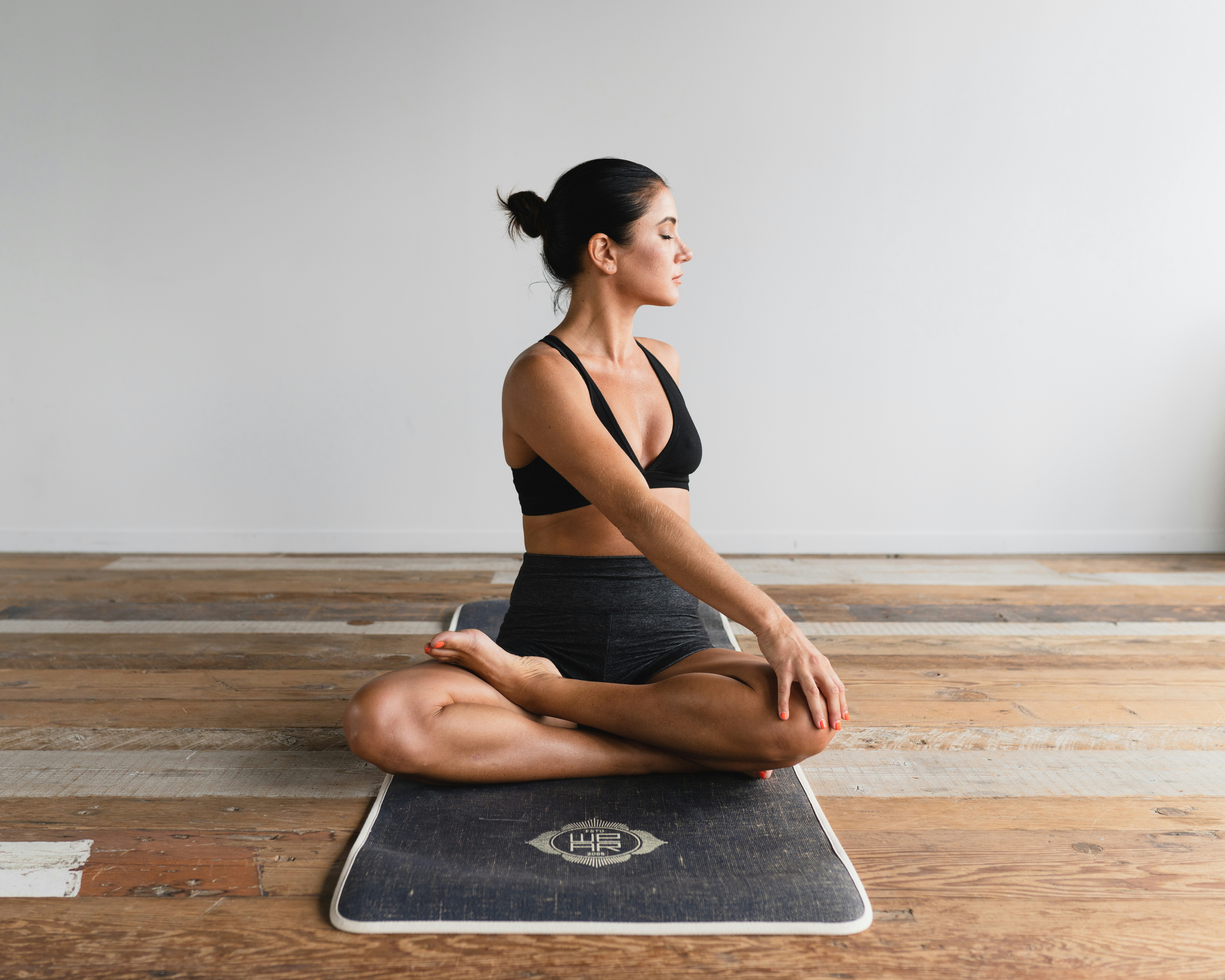
Alt text: Pilates 6 weeks postpartum safe and mindful exercise practice at home
Let’s Talk
You’re already experienced with Pilates—so your awareness gives you a strong advantage.
Have you tried Pilates 6 weeks postpartum in your recovery?
Which movement feels most natural to you right now?
Do you notice differences in your core engagement compared to pre-pregnancy?
Share your thoughts—your experience could guide another mother starting the same journey.

0 Comments