
Hey there, fellow Pilates lover! If you’re like me—someone who squeezes in solid home sessions whenever life allows—you already know how magical a simple piece of equipment can feel. For years now, I’ve turned to Pilates ball exercise moves to keep my practice fresh, challenging, and surprisingly fun. Whether you’re chasing better posture after long desk days or just want that deep core burn without fancy gym gear, these exercises deliver real results right in your living room.
I’m excited to share everything I’ve learned from my own routine so you can get the most out of every roll, lift, and balance. Let’s dive in together.
Table of Contents
- Why Pilates Ball Exercise Deserves a Spot in Your Home Pilates Sessions
- Choosing the Ideal Pilates Ball for Your Home Setup
- Mastering the Basics: Essential Pilates Ball Exercise Techniques for Beginners
- Taking It Up a Notch: Intermediate to Advanced Pilates Ball Exercises
- Pro Tips to Get the Most Out of Your Pilates Ball Workouts and Stay Injury-Free
- Creating a Sustainable Pilates Ball Exercise Routine That Fits Your Lifestyle
Why Pilates Ball Exercise Deserves a Spot in Your Home Pilates Sessions
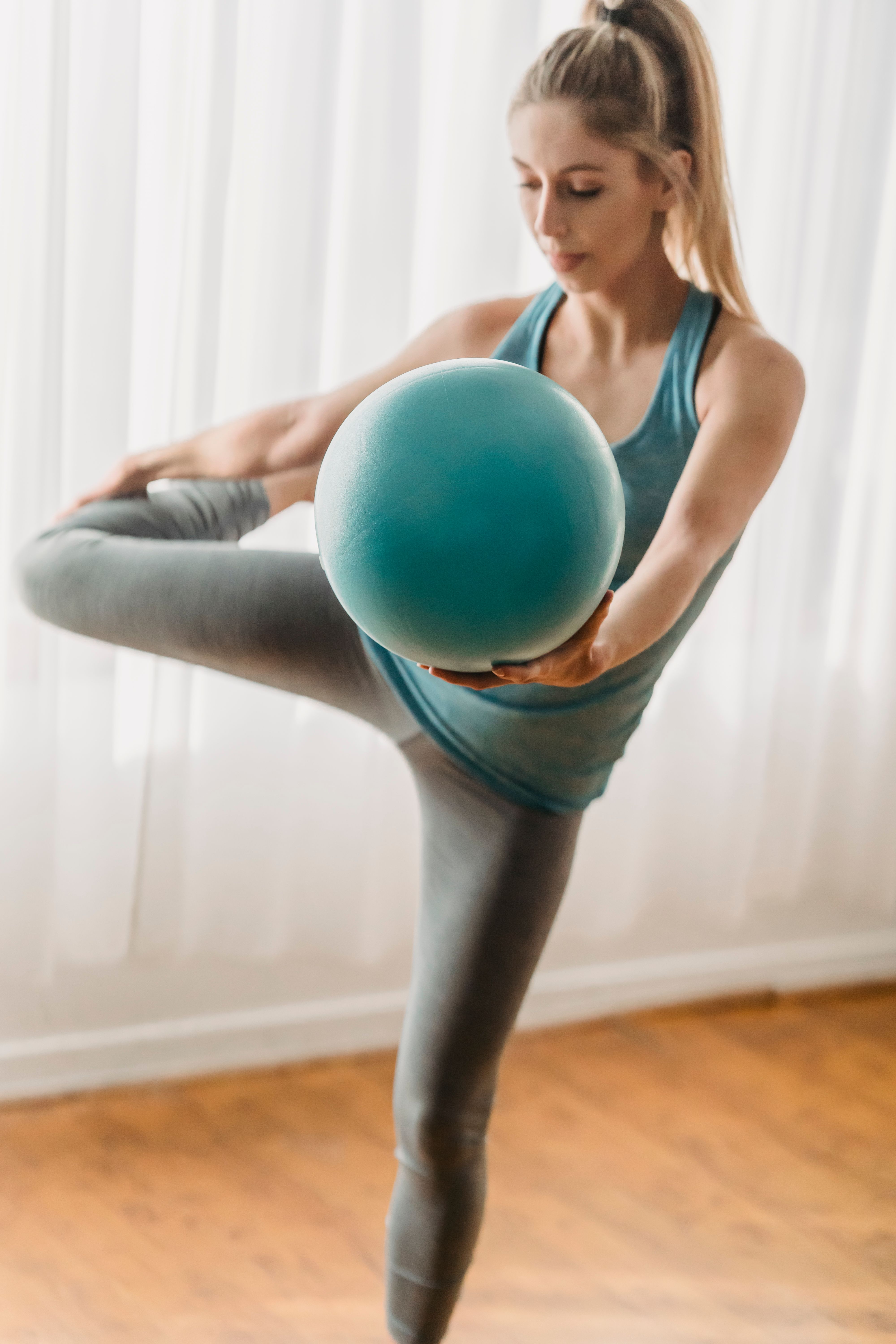
The moment that ball wobbles under you, something clicks. Your deep core muscles fire up in ways a regular mat never quite manages. I remember my first Pilates ball exercise session years ago—my abs were talking to me the next day in the best possible way.
That gentle instability forces your body to recruit stabilizers you didn’t even know you had. Posture improves almost instantly because your spine learns to stay neutral under constant micro-adjustments.
Flexibility gets a quiet boost too. The ball encourages longer ranges of motion without forcing anything. And because it’s low-impact, it’s perfect for busy home routines where joints need kindness.
According to the American Council on Exercise, stability tools like this one rank high for functional strength gains that translate straight into daily life. I’ve felt it myself—carrying groceries or chasing after kids feels lighter now.
You’ll also notice better balance over time. That translates to fewer little stumbles and more confidence on uneven surfaces. Plus, the playful element keeps motivation high. Who doesn’t smile when the ball rolls just a bit and you catch yourself laughing?
Choosing the Ideal Pilates Ball for Your Home Setup
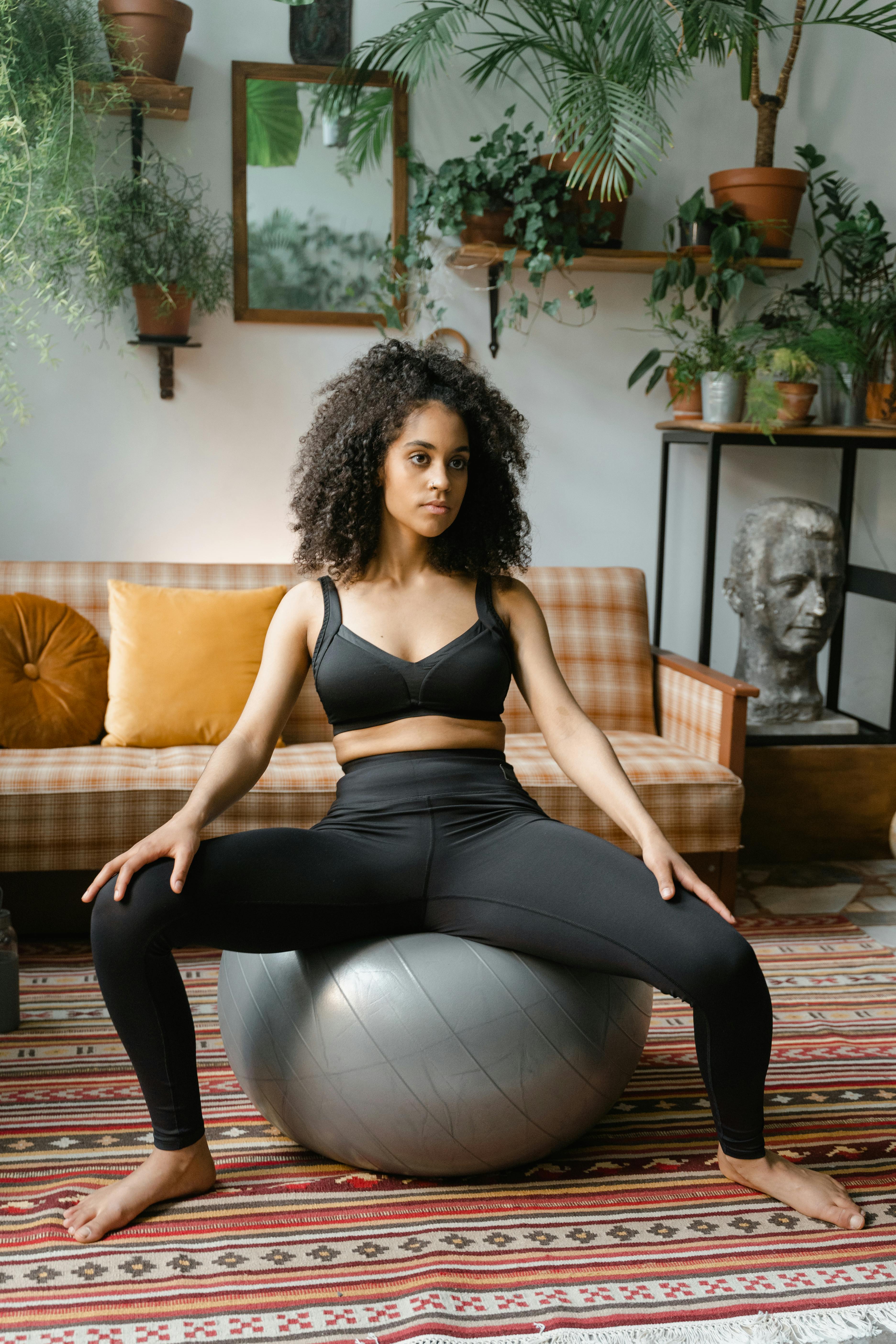
Picking the right ball feels like choosing a new workout partner—you want one that matches your height and energy. Most people do well with a 55 cm ball if you’re under 5’5”, 65 cm for average heights, and 75 cm if you’re taller.
I keep mine slightly under-inflated for extra stability when I’m tired. Anti-burst material is non-negotiable; the last thing you want is a sudden pop mid-plank.
Look for thick, textured surfaces that grip your mat and your skin. Bright colors make me happier during early-morning sessions, but that’s just me being honest.
Store it away from direct sun and sharp corners so it lasts for years. A quick pump every couple of months keeps the firmness just right.
Once you have the perfect size, the Pilates ball exercise possibilities open up endlessly. You’ll feel the difference from the very first roll.
Mastering the Basics: Essential Pilates Ball Exercise Techniques for Beginners
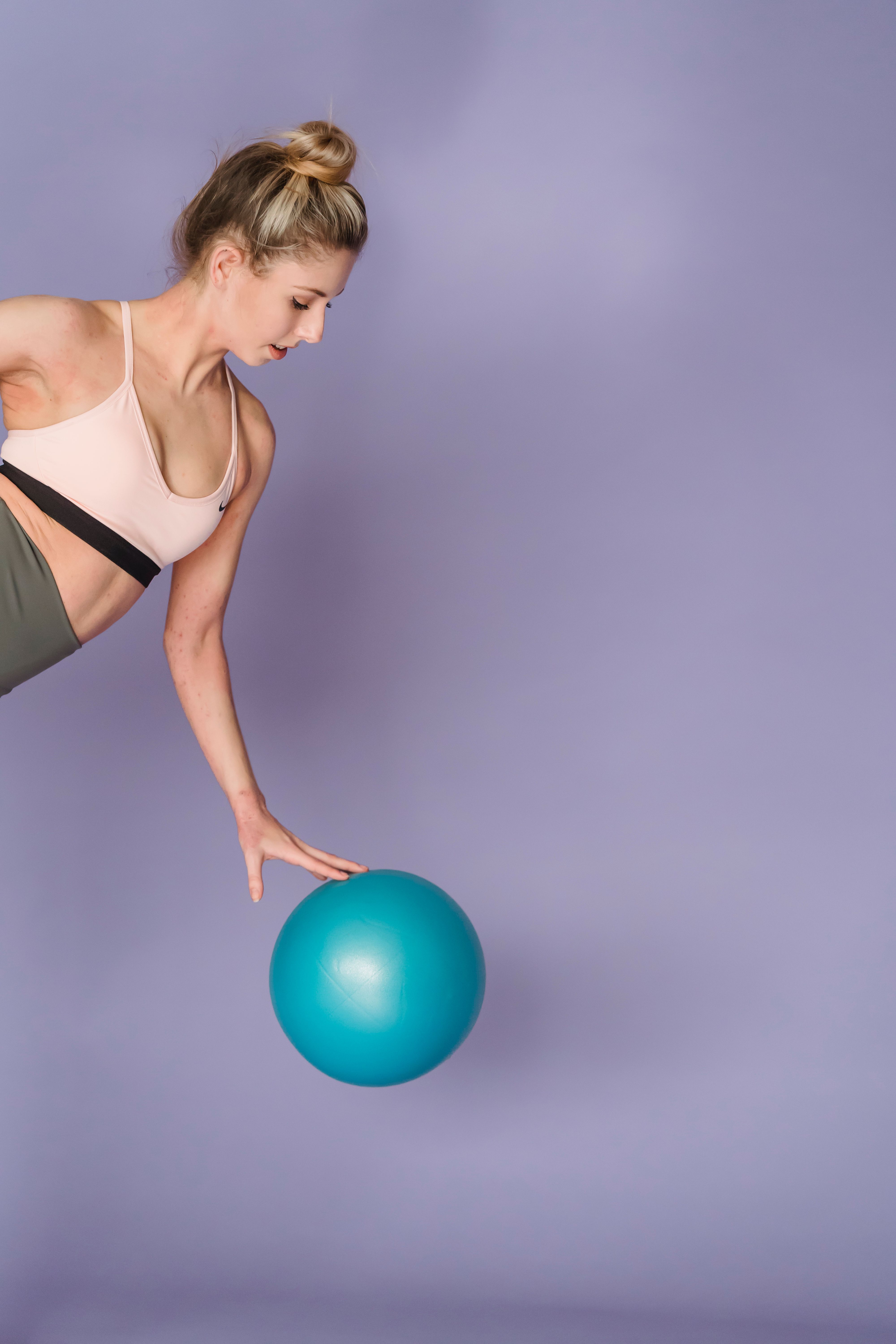
Starting simple builds confidence fast. Sit tall on the ball with feet flat and hip-width apart. This alone teaches spinal alignment.
Try gentle pelvic tilts next. Rock your pelvis forward and back while keeping shoulders relaxed. Breathe deeply—inhale to prepare, exhale to move. I do ten slow reps and already feel my lower back thanking me.
Next comes the bridge. Lie on your mat, feet on the ball, and lift your hips. The ball adds that extra challenge to your glutes and hamstrings. Hold for three breaths at the top.
Seated marches follow naturally. Lift one knee at a time without letting the ball shift. It’s sneaky core work that feels more like play.
Finish with simple ball squeezes between your knees while sitting. Squeeze, release, repeat. These four moves create a complete beginner flow that takes less than fifteen minutes yet leaves you energized.
Remember to keep your gaze soft and neck long. Form matters more than speed when you’re just beginning.
Taking It Up a Notch: Intermediate to Advanced Pilates Ball Exercises
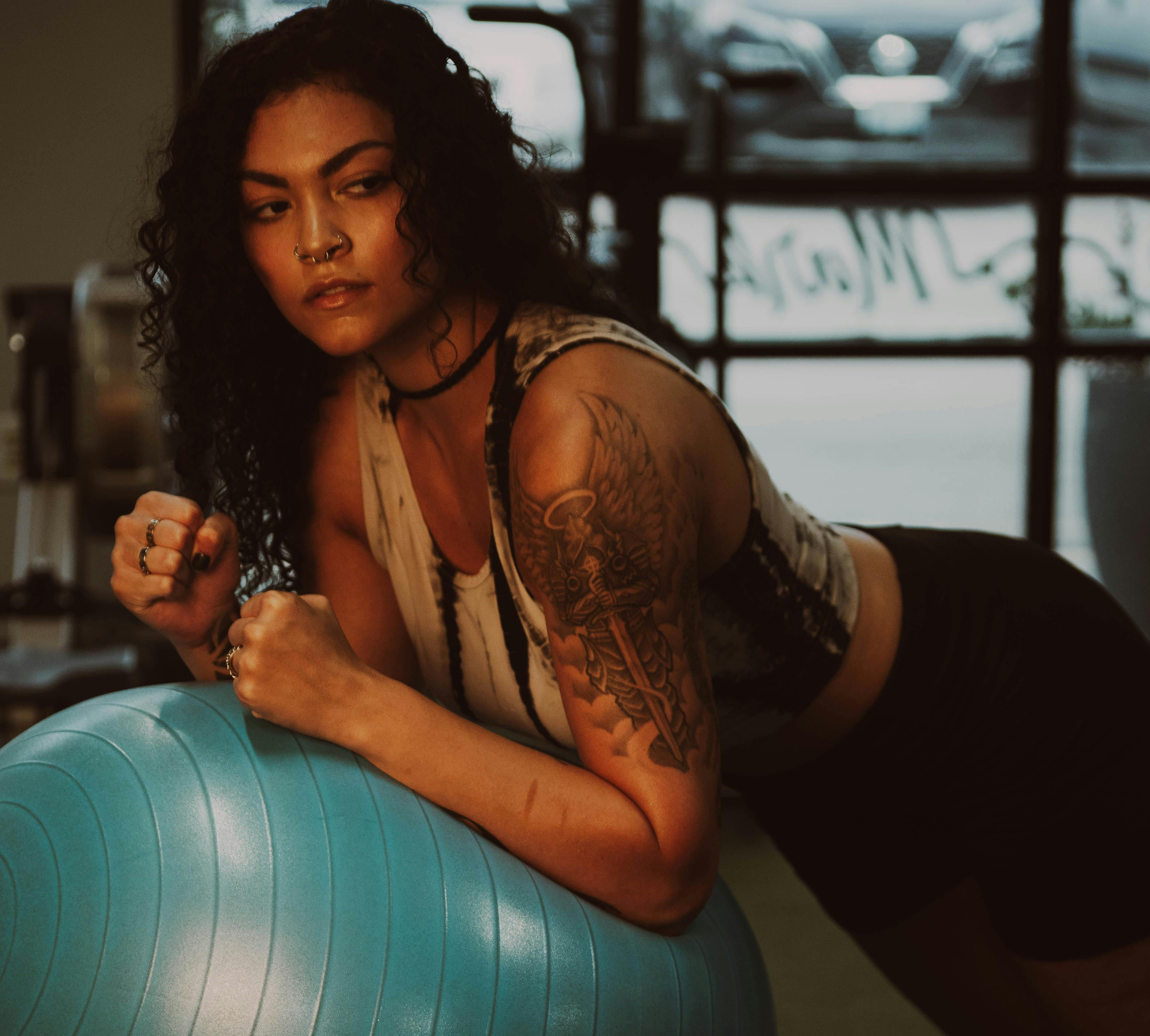
Once the basics feel easy, it’s time to play with instability in new ways. The ball plank is my favorite progression. Place forearms on the ball and walk your feet back until your body forms a straight line. Hold and breathe.
Ball roll-outs come next. Kneel behind the ball, roll it forward while keeping hips steady, then pull back in. Your abs will sing after just five controlled reps.
For a rotational challenge, try Russian twists with the ball held at your chest. The extra weight and curve make obliques work overtime.
Leg extensions while balancing on your back with the ball under your hips add serious glute burn. Lift one leg straight up, lower slowly, switch sides.
I love adding a crunch variation where the ball sits between your shoulder blades. The curve supports your spine while demanding deeper engagement.
The Mayo Clinic highlights how these controlled movements build functional power that protects your back during everyday twists and bends.
Mix two or three of these into your flow and you’ll feel stronger within a couple of weeks.
Pro Tips to Get the Most Out of Your Pilates Ball Workouts and Stay Injury-Free
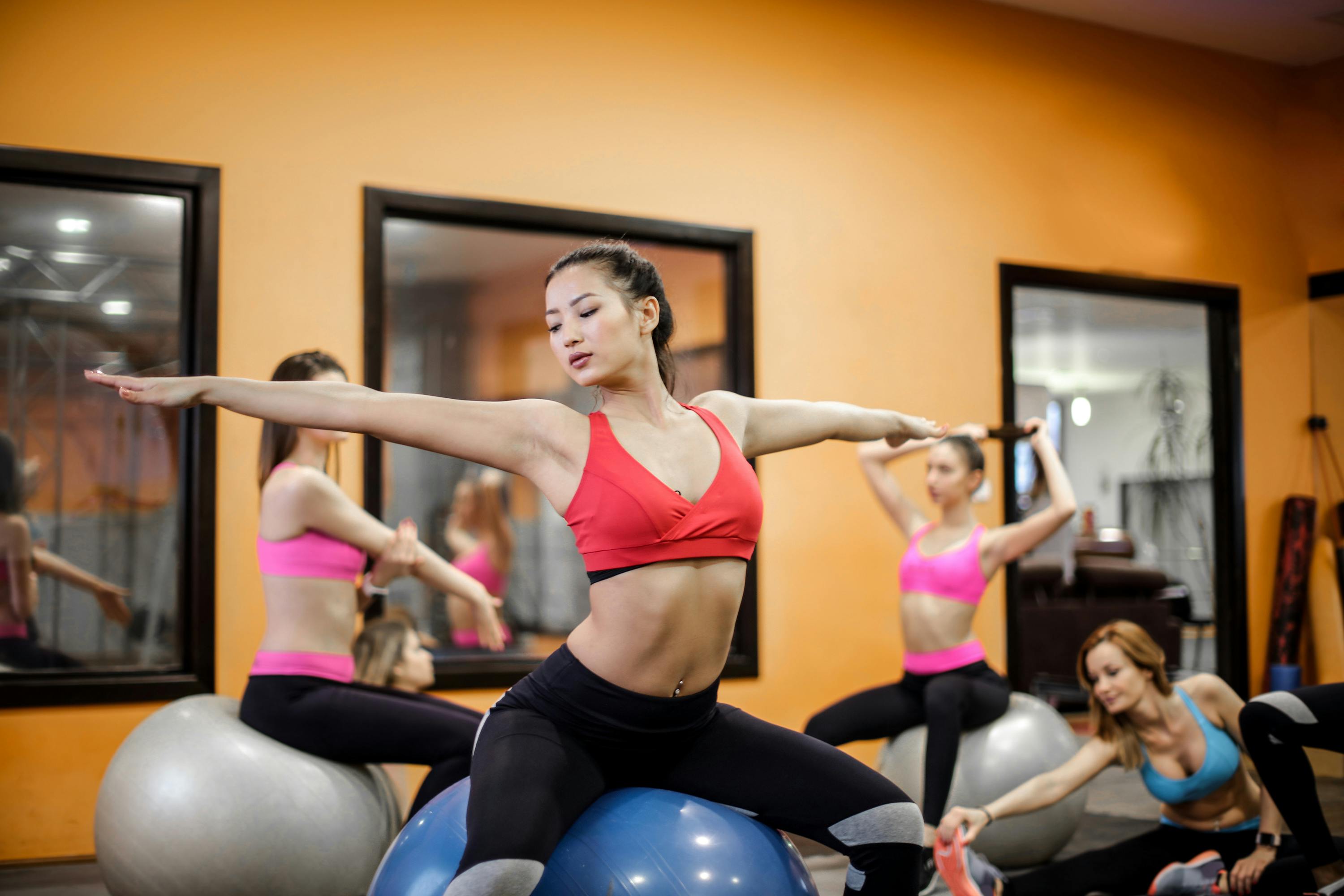
Breathing is everything. Exhale on the effort, inhale on the release. It keeps your core braced without holding tension.
Keep the ball slightly soft for better control at first. Over-inflation turns it into a slippery challenge before you’re ready.
Always warm up with gentle cat-cow stretches or arm circles. Cold muscles and an unstable surface don’t mix well.
Listen to your body. A little wobble is normal; sharp pain is not. Stop, reset, and try again tomorrow.
Place a yoga mat under the ball for extra grip on hardwood floors. Small details like this prevent slips and keep your focus on the movement.
According to the Cleveland Clinic, consistent balance training reduces fall risk and improves coordination long-term.
Vary your grip—sometimes hands on the ball, sometimes feet. Changing the contact point keeps your nervous system alert and muscles guessing.
Creating a Sustainable Pilates Ball Exercise Routine That Fits Your Lifestyle

Consistency beats intensity every time. I aim for three twenty-minute sessions a week and sneak in quick five-minute flows on busy days.
Pair Pilates ball exercise with your regular mat work for a complete home practice. End with a few minutes of gentle stretching on the ball to release the spine.
Track how you feel after each session. Energy levels, posture, even mood—small wins keep you coming back.
Invite a friend for occasional shared sessions. The laughter and friendly competition make time fly.
Adjust the routine around travel by using a smaller travel ball or substituting with household cushions when needed.
Over months you’ll notice clothes fitting differently, stairs feeling easier, and that quiet confidence growing. That’s the real gift of sticking with it.
Frequently Asked Questions
There you have it—everything I wish I had known when I first rolled that ball into my living room. Grab yours, find a quiet corner, and enjoy the ride. Your stronger, more balanced self is waiting just a few wobbles away. Happy moving!

0 Comments