
Pilates Quad Exercises: Strengthen Your Thighs, Boost Knee Stability, and Transform Your Fitness
Have you ever finished a Pilates class with your quads burning and wondered why these low-impact moves feel so powerful? Or maybe you’ve dealt with knee discomfort during daily activities like climbing stairs and are looking for a smarter way to build leg strength. If so, Pilates quad exercises could be exactly what you need.
Unlike traditional squats or leg presses that can strain joints, Pilates quad exercises use controlled, precise movements to target the quadriceps—the four powerful muscles on the front of your thighs—while deeply engaging your core, improving alignment, and promoting balanced muscle development. Whether you’re a beginner or an experienced practitioner, these exercises deliver functional strength, better posture, and long-term knee health.
In this guide, we’ll explore the science behind Pilates quad exercises, break down the top moves you can do at home on a simple yoga mat, and share practical tips to integrate them into your routine. Ready to fire up those quads the Pilates way? Let’s dive in.
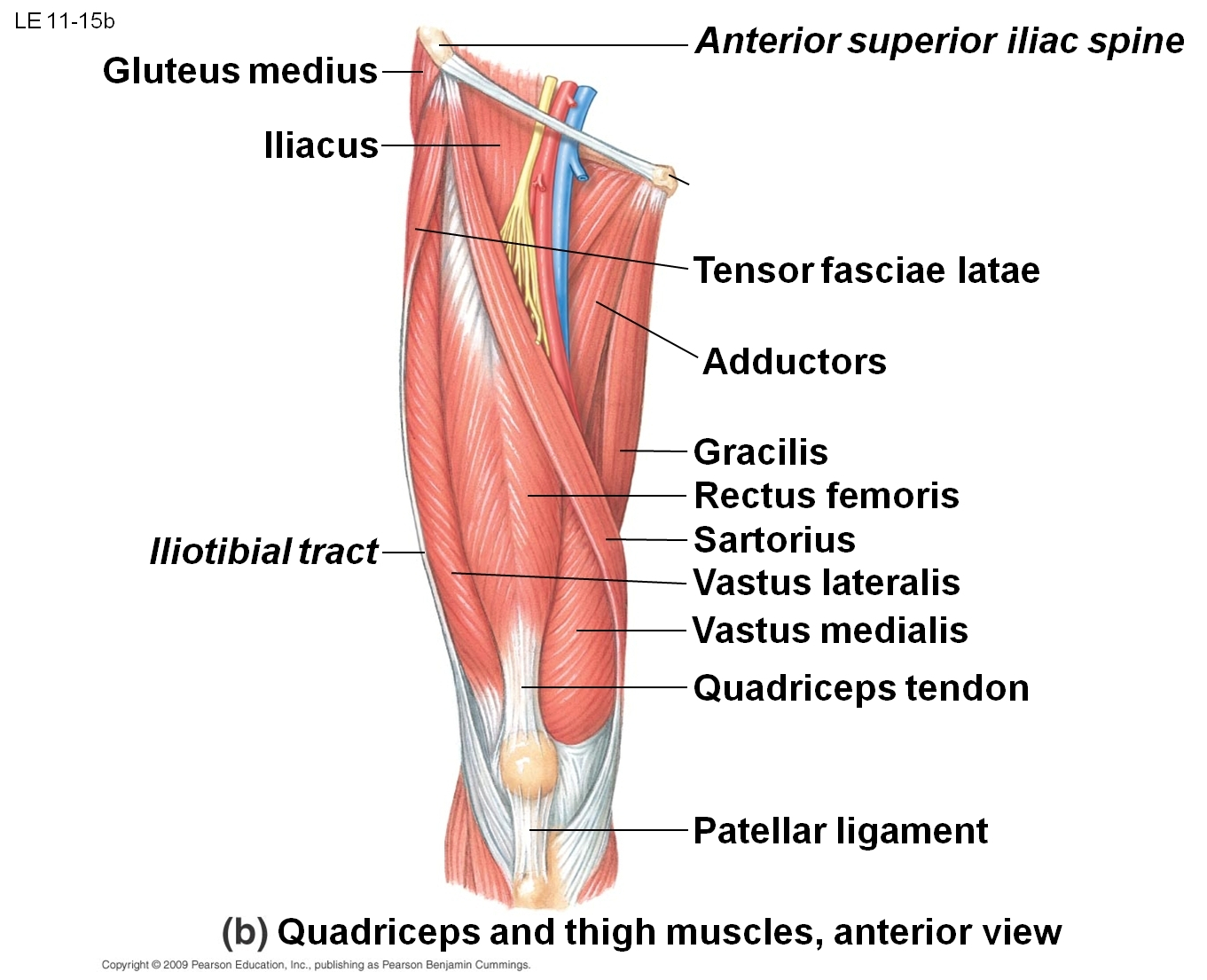
[Insert royalty-free image: Clear anatomical diagram of the quadriceps muscles showing rectus femoris, vastus lateralis, vastus medialis, and vastus intermedius on a human thigh.]
Understanding the Quadriceps and Why Pilates Targets Them Effectively
Anatomy of the Quads: Your Body’s Built-In Shock Absorbers
The quadriceps group consists of four muscles: the rectus femoris (which crosses both hip and knee), vastus lateralis, vastus medialis (crucial for knee tracking), and vastus intermedius. Together, they extend the knee and stabilize the patella during movement. Weak or imbalanced quads are a leading contributor to knee pain, patellar tracking issues, and even lower-back compensation.
Pilates doesn’t isolate these muscles with heavy weights. Instead, it trains them through slow, intentional control—exactly what makes Pilates quad exercises so joint-friendly and effective for real-life strength.
How Pilates Differs from Traditional Quad Workouts
Gym-style quad training often relies on high loads and momentum, which can overload joints. Pilates emphasizes:
- Core-pelvic stability to protect the lower back.
- Breath coordination for better oxygen flow and muscle activation.
- Full range of motion with control to lengthen and strengthen simultaneously.
A 2020 pilot study in the Journal of Exercise Rehabilitation found that an 8-week Pilates program significantly improved the hamstring-to-quadriceps strength ratio in athletes, reducing injury risk. Additional research confirms Pilates increases isokinetic knee extensor strength (your quads’ power) after just 12 weeks.
Quick question for you: Have you noticed your quads feeling tight after running or sitting all day? Comment below if Pilates has already helped you with that!
Key Benefits of Pilates Quad Exercises Backed by Science
Improved Knee Health and Injury Prevention
Strong quads act like natural knee braces. According to WebMD, Pilates strengthens the thigh muscles and may help prevent arthritis and knee injuries by improving joint stability and reducing load on ligaments. For anyone with osteoarthritis or post-injury rehab, controlled quad activation (especially the vastus medialis obliquus or VMO) enhances patellar tracking and reduces pain.
Enhanced Muscle Balance, Posture, and Functional Strength
Pilates quad work doesn’t just build the front of the thighs—it balances them with hamstrings, glutes, and deep core muscles. This leads to:
- Better posture (no more anterior pelvic tilt from tight hip flexors).
- Improved athletic performance (a 2023 systematic review linked Pilates to better sports metrics).
- Reduced fall risk in older adults through better lower-limb strength and balance.
Here’s a quick comparison table:
| Aspect | Traditional Quad Training | Pilates Quad Exercises |
|---|---|---|
| Joint Stress | Higher (heavy loads) | Low-impact, controlled |
| Muscle Balance | Often quad-dominant | Full lower-body + core integration |
| Flexibility | Limited | Builds strength + length |
| Accessibility | Needs equipment/gym | Mat-only, anywhere |
| Injury Prevention | Good for power | Excellent for stability & longevity |
Pro tip: If you sit at a desk, try 5 minutes of Pilates quad work daily—your knees will thank you!
Top Pilates Quad Exercises You Can Do at Home
These mat-based moves require no equipment beyond a yoga mat. Start with 8–12 reps per side or hold times noted. Focus on slow, breath-connected movement: inhale to prepare, exhale to engage.
1. Thigh Stretch (The Classic Quad Strengthener)
This kneeling move is a Pilates staple that builds quad endurance while opening the front of the hips.
How to do it:
- Kneel tall on your mat with knees hip-width apart, toes tucked or flat.
- Engage your core and lengthen through the crown of your head.
- On an exhale, hinge back from the knees (keep hips stacked over knees) while reaching arms forward at shoulder height.
- Inhale to return upright by pressing shins into the mat.
- Advanced: Add a gentle backbend or arm circles.
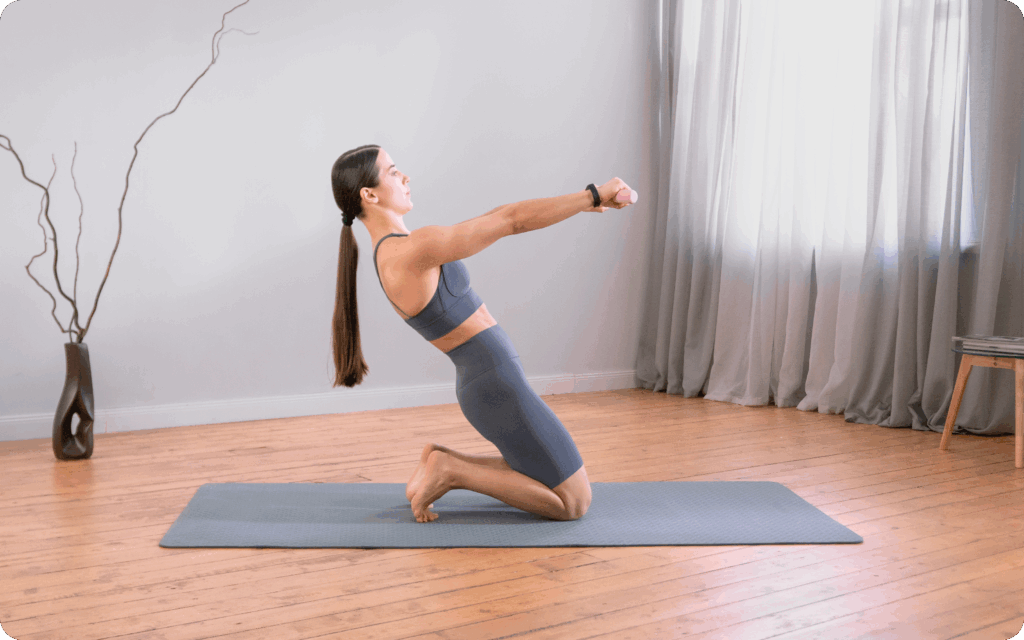
[Insert royalty-free image: Woman in kneeling position performing Pilates thigh stretch with arms extended forward, showing engaged core and straight spine.]
2. Reverse Nordic Curl (Pilates-Style Quad Burner)
A powerful bodyweight move that targets quads eccentrically—perfect for building resilience.
How to do it:
- Kneel tall, hips stacked over knees, core braced.
- Slowly lean back from the knees while keeping hips extended (no arching the lower back).
- Lower only as far as you can control, then press through your feet/shins to return.
- Modify: Place a pillow under knees or use hands on thighs for support.
3. Single-Leg Bridge with Quad Focus
This bridges the gap between glutes and quads while firing up the VMO.
How to do it:
- Lie on your back, knees bent, feet flat.
- Lift hips into a bridge, then extend one leg straight out (keep it at hip height).
- Lower and lift hips slowly, keeping the extended leg hovering.
- Switch sides.
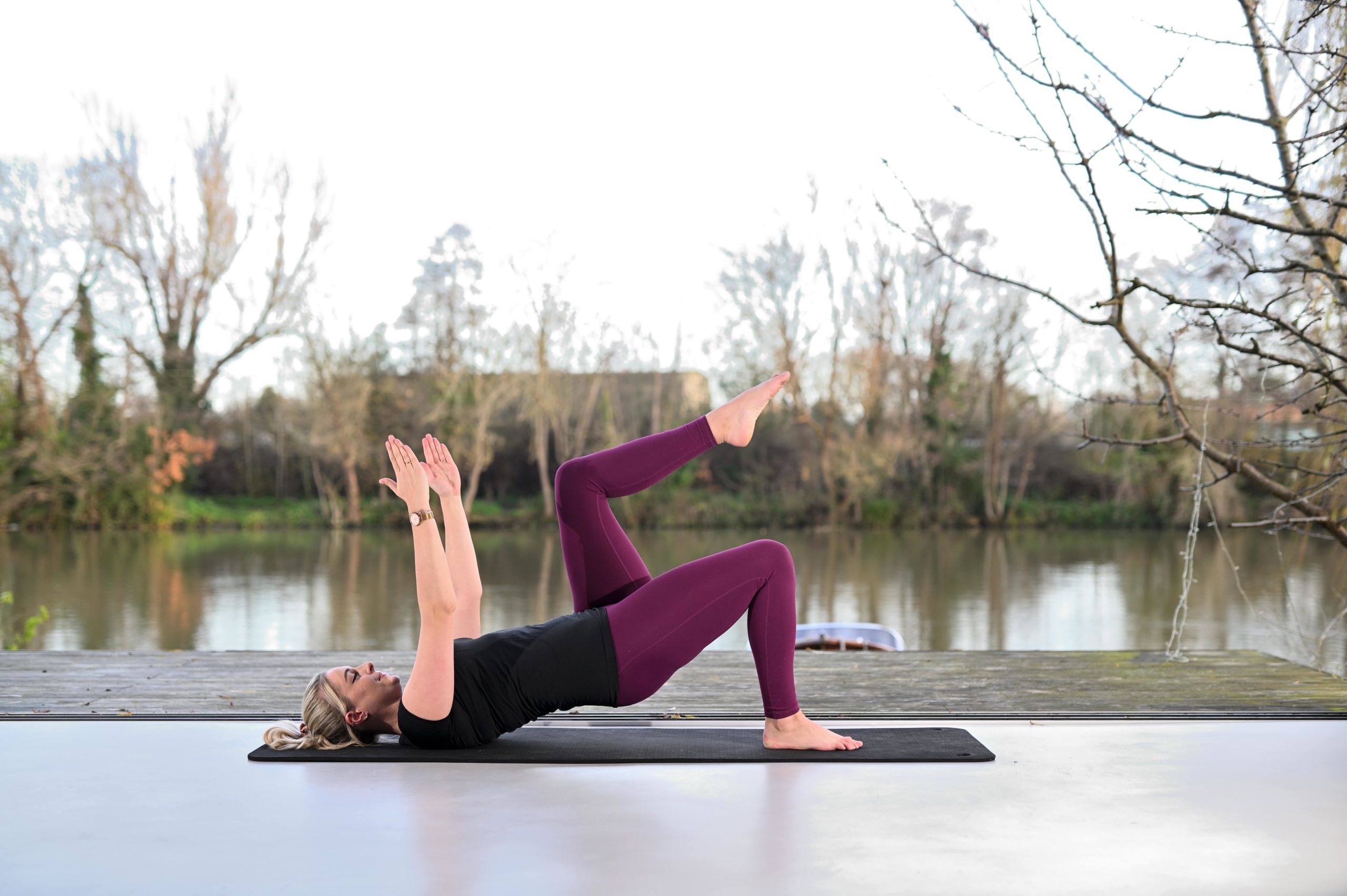
[Insert royalty-free image: Woman performing single-leg bridge in Pilates, hips lifted with one leg extended, core engaged on yoga mat.]
4. Seated Leg Pulses (“Quads on Fire”)
A quick, seated burner straight from classic Pilates leg-work sequences.
How to do it:
- Sit tall with legs extended, spine long.
- Lean back slightly into a “V” position (core tight).
- Lift one straight leg a few inches and pulse it up and down rapidly for 20–30 seconds.
- Alternate legs or do both for double the burn.
Sets: 3 rounds of 20–30 pulses per leg.
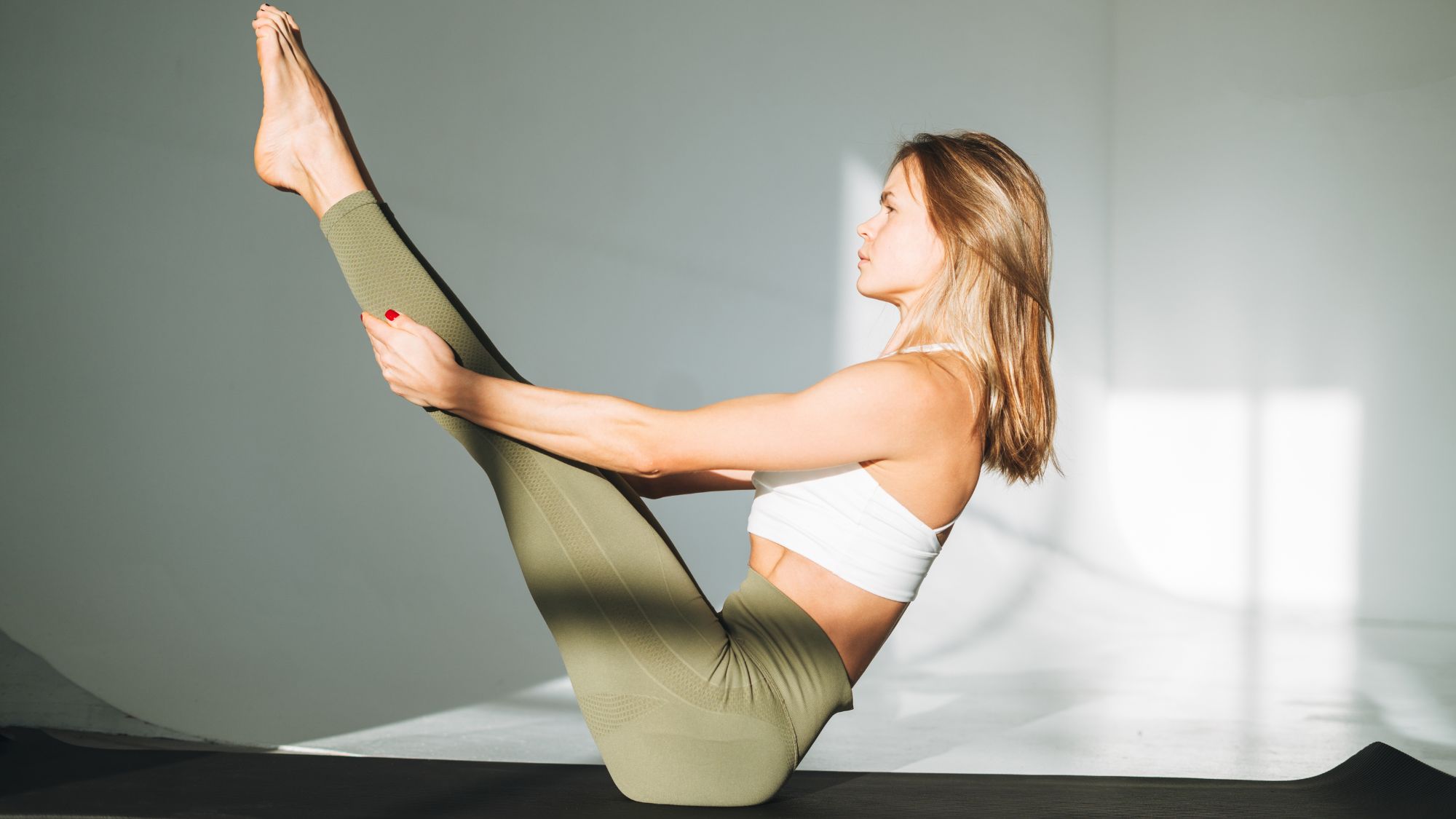
[Insert royalty-free image: Woman in seated Pilates position doing controlled leg lifts or pulses to target quads, demonstrating strong posture.]
How to Incorporate Pilates Quad Exercises into Your Routine
Beginner 10-Minute Routine
- Warm-up: 2 min marching in place.
- Thigh Stretch: 8 reps.
- Single-Leg Bridge: 8 reps/side.
- Seated Leg Pulses: 20 seconds/side.
- Cool-down: Gentle quad stretch (standing or lying).
Advanced Tips for Progress
- Add ankle weights or a Pilates ring for resistance.
- Combine with full-body flows (e.g., after The Hundred).
- Track progress: Can you hold the thigh stretch longer without shaking?
Have you tried combining these with your current Pilates practice? Share your routine or favorite modification in the comments—I read every one!
Conclusion: Make Pilates Quad Exercises Your New Daily Habit
Pilates quad exercises prove that you don’t need heavy weights to build powerful, sculpted thighs. With consistent practice, you’ll enjoy stronger knees, better posture, balanced legs, and that confident “Pilates glow.” Science backs it: improved strength ratios, reduced injury risk, and functional mobility that lasts.
Start small—just 10 minutes, three times a week—and watch your quads (and confidence) transform. Your body was made for controlled, mindful movement like this.
Which Pilates quad exercise are you excited to try first? Drop your thoughts, questions, or progress updates in the comments below. Let’s keep the conversation going and support each other on this Pilates journey!
Always consult a healthcare professional before starting new exercises, especially if you have knee concerns.

0 Comments