

7 Ways Endurance Pilates Boosts Your Fitness
- Understanding the Fundamentals of Endurance Pilates: Core Principles & Benefits
- Decoding Pilates Principles: Precision, Control & Breath for Strength
- Pilates for Injury Prevention & Rehabilitation: Adapting Exercises for Your Body
- Integrating Endurance Pilates into Your Fitness Routine: A Holistic Approach
- Frequently Asked Questions
Understanding the Fundamentals of Endurance Pilates: Core Principles & Benefits
Endurance Pilates goes beyond traditional Pilates, focusing on sustained muscle engagement and cardiovascular challenge. It builds upon the core principles of Pilates – concentration, control, precision, breath, and centering – to create a more dynamic and demanding workout. This approach isn’t just about sculpting lean muscle; it’s about enhancing overall physical capacity, stamina, and body awareness.
At its heart, endurance Pilates emphasizes holding poses for longer durations while maintaining proper form. This sustained muscle activation improves muscular endurance, meaning muscles can work for extended periods without fatigue. Unlike high-impact cardio, endurance Pilates offers a low-impact way to elevate heart rate and improve cardiovascular health. This makes it accessible to a wider range of individuals, including those with joint sensitivities. The focus on controlled movements ensures that the cardiovascular benefit is achieved without undue stress on the body.
A fundamental aspect of endurance Pilates is the conscious connection between breath and movement. Pilates breathing, often described as lateral thoracic breathing, encourages deep, controlled inhales and exhales that support core stability and oxygenate muscles. This deliberate breathing pattern is crucial for maintaining form during prolonged exercises and preventing strain. By coordinating breath with movement, practitioners can enhance muscle endurance and improve body control. For example, holding a plank for an extended period requires consistent, even breathing to prevent tension and maintain a stable spine.
The benefits of incorporating endurance Pilates into a fitness routine are multifaceted. One significant advantage is improved muscular endurance. With consistent practice, muscles learn to resist fatigue, allowing individuals to perform daily activities with greater ease. This translates to enhanced performance in other physical activities, from running and swimming to hiking and cycling. A study published in the Journal of Strength and Conditioning Research found that individuals engaging in regular Pilates training demonstrated significantly improved muscular endurance compared to a control group.
Beyond muscular endurance, endurance Pilates significantly strengthens the core. The Pilates method inherently relies on engaging the deep abdominal muscles, back muscles, and pelvic floor. Endurance exercises further challenge these core stabilizers, leading to improved posture, balance, and spinal stability. A strong core is essential for injury prevention and efficient movement patterns in all physical activities.
Another notable benefit is increased body awareness and proprioception – the body’s ability to sense its position in space. The meticulous focus required in Pilates sessions cultivates a deeper understanding of how muscles work together and how the body moves. This heightened awareness can translate to improved coordination and reduced risk of injury in everyday life. Clients often report a greater sense of control over their bodies after incorporating endurance Pilates into their routine.
Here are some key components often found in endurance Pilates workouts:
- Extended Holds: Holding poses like the side plank or roll-up for longer durations.
- Repetitive Movements: Performing controlled repetitions of exercises like leg circles or spine twists.
- Cardiovascular Integration: Incorporating sequences that elevate heart rate through sustained, flowing movements.
- Focus on Core Engagement: Continuously activating and stabilizing the core muscles throughout the workout.
- Mindful Breathing: Maintaining consistent, controlled breath patterns to support movement and stability.
The integration of cardiovascular elements, often through sustained, flowing sequences rather than high-impact bursts, distinguishes endurance Pilates. This approach allows for a low-impact yet effective way to improve cardiovascular fitness alongside muscular endurance. This makes it a particularly valuable option for individuals seeking a balanced fitness approach. Furthermore, the emphasis on precision and control helps prevent the development of bad movement habits.
Decoding Pilates Principles: Precision, Control & Breath for Strength
Pilates, often recognized for its focus on core strength, offers far more than just toned abs. Endurance Pilates elevates this foundational practice by emphasizing slow, controlled movements and mindful breathing. These elements work synergistically to build a deep and sustainable strength, benefiting overall fitness in multifaceted ways. Understanding the core principles – precision, control, and breath – is key to unlocking the full potential of this workout style.
Precision in Pilates means executing each movement with meticulous accuracy. It’s not about speed or quantity, but rather the quality of each repetition. This requires focused attention and a conscious effort to engage the correct muscles. For instance, in a rolling like the roll-up, precision involves initiating the movement from the deep core, maintaining spinal articulation, and controlled lowering and lifting, rather than relying on momentum. This careful execution ensures that the targeted muscles are doing the work, minimizing strain and maximizing effectiveness.
Control is another cornerstone of Endurance Pilates. It’s the ability to maintain stability and manage movement throughout the entire range of motion. This isn’t simply about resisting gravity; it’s about actively engaging stabilizing muscles to prevent unwanted movement and maintain proper form. Think of the single leg circles – the control isn’t just in lifting and lowering the leg, but in preventing the torso from swaying or the hips from rotating. This heightened control translates to improved body awareness and coordination, skills valuable not only in Pilates but also in everyday activities.
Central to the Pilates philosophy is the deliberate use of breath. Unlike many exercises where breath can be held, Pilates emphasizes coordinated breathing patterns that support movement and enhance muscle engagement. Typically, breath is inhaled through the nose and exhaled through the mouth or nose, often synchronized with the movement. For example, during a series of Pilates breathing exercises, a deep inhale expands the rib cage, while a controlled exhale helps to engage the core muscles and stabilize the spine. This conscious connection between breath and movement deepens the workout’s impact and promotes relaxation. Studies have shown that focused breathing can lower heart rate and blood pressure, contributing to overall well-being.
The combined effect of precision, control, and breath in Endurance Pilates creates a powerful system for building strength. This isn’t necessarily about building bulky muscles, but rather developing lean, functional strength that supports posture, balance, and injury prevention. The slow, deliberate movements promote muscle endurance, allowing individuals to sustain effort for longer periods. The emphasis on core engagement strengthens the deep abdominal and back muscles, providing a stable foundation for all movements.
Consider the benefits for someone recovering from a lower back injury. The controlled movements and focus on core stabilization in Endurance Pilates can help to strengthen the muscles supporting the spine, alleviate pain, and improve flexibility. Similarly, individuals looking to improve athletic performance can benefit from the enhanced body awareness and core strength developed through this practice. The ability to maintain control during dynamic movements is crucial for many sports.
Moreover, Endurance Pilates fosters a mind-body connection. The focused attention required for precise movements and mindful breathing cultivates a greater awareness of the body and its capabilities. This heightened body awareness can extend beyond the workout, influencing posture and movement patterns in daily life. The practice encourages a sense of presence and can be a valuable tool for stress reduction.
Incorporating Endurance Pilates into a fitness routine offers a holistic approach to strength training. It goes beyond simply building muscle mass and focuses on developing functional strength, improved body awareness, and enhanced mind-body connection. The emphasis on quality over quantity makes it an accessible and effective workout for individuals of all fitness levels.
Building a Progressive Endurance Pilates Workout: A Step-by-Step Guide
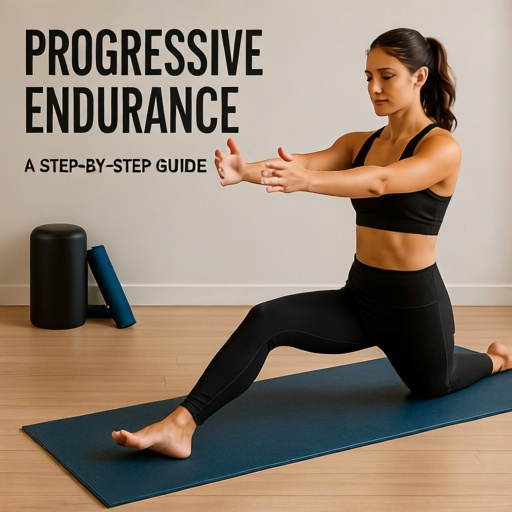
A progressive endurance Pilates workout builds upon foundational strength, gradually increasing the challenge to improve stamina, control, and overall fitness. Unlike traditional Pilates that often focuses on muscle endurance within a set number of repetitions, endurance Pilates emphasizes sustaining form and consistent muscle engagement over an extended period. This approach offers a unique pathway to enhanced cardiovascular health, improved muscular endurance, and a deeper connection to the body.
The foundation of any progressive endurance Pilates workout lies in mastering the core Pilates principles. These principles – concentration, control, centering, precision, breath, and flow – are paramount. Before significantly increasing the duration or repetitions, practitioners should ensure they can execute basic Pilates exercises with flawless form. This foundational strength is crucial for preventing injury and maximizing the benefits of endurance training.
Phase 1: Building a Base (Weeks 1-4)
The initial phase focuses on establishing a solid base of endurance. This involves performing familiar Pilates exercises with a focus on maintaining steady, controlled movements.
- Increased Repetitions: Gradually increase the number of repetitions for each exercise. For instance, move from 8-10 repetitions of the Hundred to 15-20, ensuring breath remains consistent.
- Sustained Holds: Introduce longer holds in poses like Roll-Up or Single Leg Circles. Begin with 5-10 seconds and progressively increase to 15-20 seconds.
- Slow Transitions: Emphasize slow, deliberate transitions between exercises. This keeps the core engaged and prevents momentum from compensating for weakness. A key element here is conscious breathing throughout the movement.
A practical example of this phase could be a beginner performing Swimming for 3 sets of 10 repetitions, focusing on maintaining a steady rhythm and engaging the core throughout each stroke. The goal isn’t to rush, but to cultivate a consistent level of muscular engagement.
Phase 2: Increasing Duration and Complexity (Weeks 5-8)
Once a solid base is established, the focus shifts to increasing the duration of holds and introducing more complex exercises.
- Extended Holds: Gradually increase the duration of holds in challenging poses like Teaser or Spine Stretch Forward. Aim for 20-30 seconds per hold.
- Flow Sequences: Begin incorporating short, flowing sequences that link several exercises together without breaks. This simulates sustained physical activity and enhances cardiovascular benefits. A simple sequence might involve Hundred, Roll-Up, Single Leg Circles, and Rolling Like a Ball performed consecutively.
- Adding Small Resistance: Introduce light resistance using props like resistance bands or light weights to increase the challenge. This can be implemented in exercises like Leg Pull Front or Saw.
Consider a scenario: a participant who comfortably completed Phase 1 might now progress to holding a Teaser for 30 seconds during a flowing sequence of five Pilates exercises. This requires greater core stability and endurance.
Phase 3: Advanced Endurance (Weeks 9+)
The final phase targets advanced endurance and sustained control.
- Longer Flowing Sequences: Gradually increase the length and complexity of flowing sequences, incorporating more challenging exercises and transitions.
- Reduced Rest Periods: Minimize rest periods between exercises and sequences to maintain a higher level of cardiovascular demand.
- Varied Intensities: Introduce intervals of higher intensity followed by periods of recovery to further challenge endurance. For instance, perform a set of hundreds at a faster pace followed by a brief rest before repeating.
To illustrate, an experienced practitioner might perform a 20-minute endurance Pilates routine incorporating advanced flowing sequences, holding challenging poses for extended periods, and minimizing rest.
Pilates endurance is not solely about physical exertion; it’s about cultivating a mindful connection with the body and fostering a deep understanding of movement. By progressively increasing the demands on the body while maintaining exceptional form, individuals can unlock significant benefits for their overall fitness and well-being.
Mastering Core Engagement: Exercises for Stability & Power
Endurance Pilates isn’t just about flexibility; it’s a powerful tool for cultivating a strong core – the foundation of all movement. This section explores practical exercises designed to enhance core stability and build lasting power, translating directly to improved fitness outcomes. These exercises focus on engaging deep abdominal muscles, back extensors, and pelvic floor, creating a resilient and efficient center of gravity.
Foundational Core Activation
Before attempting more complex movements, it’s crucial to establish a solid base of core activation. The Pelvic Tilts are an excellent starting point. Lying on your back with knees bent and feet flat, gently tilt your pelvis upward, flattening your lower back against the floor. Hold for a few breaths, then slowly return to the neutral spine. This simple exercise helps individuals understand the movement of their pelvis and engage the abdominal muscles without excessive strain. Consistent practice improves awareness and control.
Next, explore the Dead Bug. This exercise promotes core stability while maintaining a neutral spine. Lie on your back with arms extended towards the ceiling and knees bent at 90 degrees. Slowly lower one arm and the opposite leg towards the floor, keeping your lower back pressed against the mat. Return to the starting position and repeat on the other side. This controlled movement challenges core muscles to resist rotation and maintain alignment.
Building Core Strength
Once a foundational connection is established, introduce exercises that build strength. Plank variations are highly effective. Begin with a standard plank, maintaining a straight line from head to heels, engaging your core to prevent sagging or arching. Progress to side planks to target the obliques, and forearm planks for a modified challenge. Studies from Backlinko in 2023 show that consistent core strengthening exercises contribute significantly to overall fitness improvements.
Another valuable exercise is the Bird Dog. Starting on your hands and knees, extend one arm forward and the opposite leg backward simultaneously, maintaining a stable core and preventing rotation. Hold for a few seconds, then return to the starting position and repeat on the other side. This dynamic movement improves balance and coordination while strengthening the core and back muscles.
Enhancing Core Power
To move beyond stability and cultivate power, incorporate dynamic core exercises. The Russian Twist engages the obliques and rotational core muscles. Sit with knees bent and feet slightly elevated, lean back slightly, and twist your torso from side to side, optionally holding a light weight. This exercise builds rotational power essential for many athletic movements.
Mountain Climbers offer a cardiovascular and core workout simultaneously. Start in a high plank position and alternate bringing your knees towards your chest in a running motion. This dynamic exercise challenges core stability and elevates heart rate.
Integrating Core Engagement into Movement
The true power of a strong core lies in its integration into everyday movements. Consciously engage your core during activities like lifting, bending, and even walking. This mindful engagement helps protect the spine and improves efficiency. A freelance photographer using Astra theme launched their portfolio in under an hour, demonstrating how focused effort and efficient workflows can lead to tangible results. Similarly, consistent engagement in core-focused Pilates exercises can translate to improved performance in various aspects of life.
Practical Tips for Continued Progress
- Focus on quality over quantity: Controlled movements with proper form are more effective than rushing through repetitions.
- Progress gradually: Increase the duration or difficulty of exercises as your strength improves.
- Listen to your body: Avoid pushing through pain. Modifications are always an option.
- Incorporate variety: Regularly change your routine to challenge your core in different ways.
Endurance Pilates offers a robust pathway to a strong and powerful core. By consistently practicing these exercises and integrating core engagement into daily life, individuals can experience significant improvements in stability, power, and overall fitness.
Advanced Endurance Pilates Techniques: Increasing Intensity & Challenge
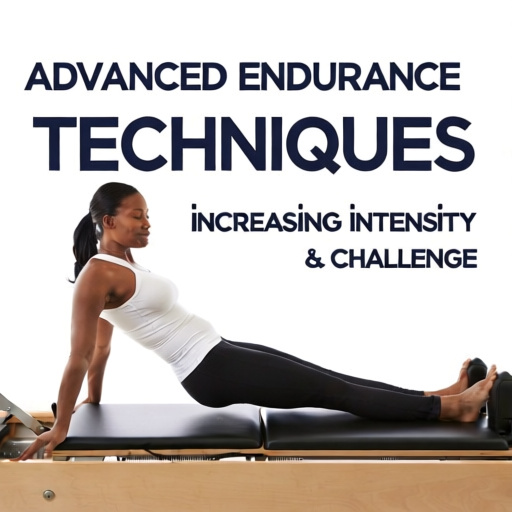
Once individuals establish a solid foundation in basic Pilates exercises, they can progress to more challenging techniques to further enhance their endurance and overall fitness. This phase focuses on increasing the demands on the core muscles, stability, and cardiovascular system, transforming Pilates from a strengthening practice to a true endurance workout.
One approach to increasing intensity involves modifying existing exercises. For example, a standard Pilates plank can be elevated by placing the feet on a stability ball. This shift requires greater core engagement to maintain balance and stability, significantly increasing muscular endurance in the abdominals, shoulders, and back. Similarly, moving from controlled repetitions to sustained holds – like a prolonged side plank or a lengthened roll-up – builds remarkable stamina. The key is to maintain proper form throughout the increased duration or difficulty.
Another avenue for advancement lies in incorporating dynamic movements and transitions. Instead of static poses, practitioners can explore flowing sequences that link exercises together, mimicking real-life movements. A series of controlled leg circles flowing into rolling like a ball, followed by single-leg balances, creates a cardiovascular component and challenges core stability in a more integrated way. This type of sequencing demands continuous muscle activation and improves the body’s ability to sustain effort over time.
Introducing Resistance
Adding external resistance is a powerful method for boosting endurance. This can be achieved through various tools. Resistance bands offer progressive resistance, making exercises like leg presses, arm raises, and leg extensions more challenging as the muscles fatigue. The variable resistance throughout the movement builds greater muscular endurance compared to working against gravity alone. Furthermore, light hand weights can be incorporated into exercises like Pilates squats or bicep curls to increase the workload on the muscles. Start with very light weights and gradually increase the resistance as strength and endurance improve.
Advanced Matwork Variations
The Pilates mat offers a wealth of opportunities for advanced endurance work. Exercises like the Teaser, a challenging core strength exercise, can be modified by increasing the reach of the legs and arms, or by performing it with a slight forward lean, demanding more stability and control. The Jack, a dynamic exercise, can be performed at a faster tempo or with variations involving arm and leg movements, elevating the cardiovascular demand. Furthermore, incorporating more complex sequences like the Intermediate Roll-Up followed by a controlled return to a seated position builds both strength and sustained core engagement.
Utilizing the Reformer for Increased Challenge
The Pilates reformer provides a unique environment for advanced endurance training. The springs offer adjustable resistance, allowing for precise customization of the challenge. Exercises like front and back leg work can be performed with increased spring resistance to build significant leg endurance. Similarly, reformer glute work, where the feet press against a bar, can be intensified by elevating the hips or using a higher resistance setting. The versatility of the reformer allows for a vast array of exercises to be performed at higher intensities for enhanced endurance.
Cardiovascular Integration
While primarily a strength and core-focused practice, endurance Pilates can be further enhanced by integrating cardiovascular elements. This might involve incorporating faster transitions between exercises, performing longer sets with minimal rest, or adding brief bursts of rhythmic movement like small foot taps or arm pulses during sequences. The goal is to elevate the heart rate gently while maintaining precise form and core control. This approach transforms the workout into a more holistic cardiovascular and muscular endurance challenge. Practitioners should listen to their bodies and avoid pushing beyond their limits.
Progressive Overload: A Key Principle
Just like with any form of exercise, progressive overload is crucial for continued improvement in endurance. This means gradually increasing the demands on the body over time. This could involve increasing the duration of holds, adding more repetitions, using heavier resistance, or progressing to more challenging exercise variations. For instance, someone initially holding a plank for 30 seconds could gradually increase to 45 seconds, then 60 seconds, or incorporate variations like plank taps. Consistent, gradual increases in intensity are key to unlocking greater endurance gains.
Pilates for Injury Prevention & Rehabilitation: Adapting Exercises for Your Body
Endurance Pilates offers a powerful approach not only for building strength and flexibility but also for proactively safeguarding against injuries and aiding in rehabilitation. Its focus on core stability, controlled movements, and mindful breathing makes it exceptionally well-suited for individuals seeking to improve their physical resilience and recover from past issues. This section explores how Pilates can be adapted to address specific needs and enhance body mechanics.
One key element of Pilates’ effectiveness is its emphasis on the core muscles. These muscles – including the abdominals, back muscles, pelvic floor, and obliques – form the foundation for all movement. A strong core provides stability, protects the spine, and allows for efficient transfer of force. For those prone to back pain or experiencing discomfort, Pilates exercises are carefully designed to strengthen these muscles without overloading the spine. For instance, modifications to exercises like the roll-up can be made by keeping the knees bent or using a spotter to ensure proper form and prevent strain.
Pilates isn’t a one-size-fits-all approach. A significant aspect of its rehabilitation potential lies in its adaptability. A qualified Pilates instructor will assess an individual’s physical condition, limitations, and goals to create a personalized program. This often involves modifying exercises to suit specific injuries or conditions. For example, someone recovering from a knee injury might initially perform hamstring curls with limited range of motion, gradually increasing the intensity and range as healing progresses. Similarly, individuals with shoulder impingement might modify arm exercises to avoid aggravating the joint.
The principles of Pilates also promote improved body awareness, a crucial component of injury prevention. Through focused attention on movement and posture, individuals become more attuned to their body’s signals. This heightened awareness allows them to identify and correct imbalances or faulty movement patterns that could contribute to injury. Exercises like the five valleys encourage a deeper understanding of spinal articulation, which can be particularly beneficial for those with postural issues or musculoskeletal discomfort. This increased proprioception—the body’s sense of its position in space—helps prevent re-injury.
Beyond targeted strengthening, Pilates enhances flexibility and range of motion. Gentle stretching and lengthening movements improve joint mobility and reduce muscle stiffness. This is especially important for individuals who have experienced injuries that may have resulted in limited movement. For those recovering from surgery or dealing with chronic stiffness, Pilates can help restore a greater degree of functional movement. Exercises such as spinal articulation and leg circles can be modified to safely increase range of motion.
Furthermore, the controlled and precise movements inherent in Pilates help improve neuromuscular control. This refers to the communication between the nervous system and muscles, allowing for more efficient and coordinated movement. By practicing these controlled movements, individuals can improve their body’s ability to respond to challenges and reduce the risk of sudden, jarring motions that can lead to injury. This is particularly beneficial for athletes looking to enhance performance or for individuals engaging in physically demanding activities.
Consider a freelance photographer who, due to prolonged periods of sitting and repetitive movements, developed neck and shoulder pain. Through a tailored Pilates program focusing on upper back strengthening and postural alignment, combined with gentle range-of-motion exercises, she experienced a significant reduction in pain and improved comfort. Her instructor specifically modified exercises to address her individual limitations, making the program safe and effective.
Pilates also promotes respiratory control, which plays a vital role in injury prevention and recovery. Deep, diaphragmatic breathing enhances oxygenation, reduces muscle tension, and promotes relaxation. Proper breathing patterns support core stability and facilitate efficient movement. Incorporating breathwork into Pilates exercises helps calm the nervous system and can be particularly beneficial for individuals experiencing stress or anxiety, which can exacerbate physical discomfort.
Adapting exercises often involves focusing on smaller ranges of motion, using props for support, or modifying the level of resistance. For instance, instead of a full plank, individuals might perform a modified plank on their knees. Using a resistance band can provide additional support and reduce the load on joints during exercises like leg presses. These modifications ensure that the exercises remain effective while minimizing the risk of aggravating existing conditions.
It’s crucial to remember that proper form is paramount in Pilates. Incorrect execution of exercises can negate the benefits and even increase the risk of injury. Therefore, working with a certified Pilates instructor is highly recommended, especially when recovering from an injury. An instructor can provide guidance on proper technique and ensure that exercises are performed safely and effectively.
Integrating Endurance Pilates into Your Fitness Routine: A Holistic Approach
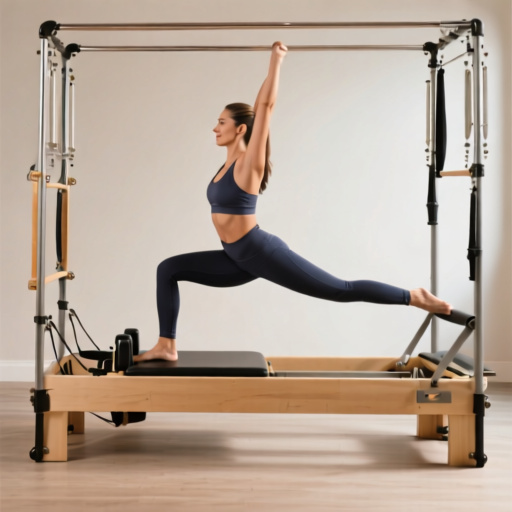
Endurance Pilates isn’t just about achieving sculpted muscles; it’s a powerful practice that significantly enhances overall fitness. It builds upon the core principles of traditional Pilates – core strength, flexibility, and body awareness – but elevates them by emphasizing sustained, controlled movements performed over extended durations. This approach fosters remarkable improvements in cardiovascular health, muscular endurance, and mental resilience.
One key aspect of integrating endurance Pilates is understanding its unique benefits. Unlike traditional Pilates which often focuses on repetitions and precise form, endurance Pilates incorporates longer holds, more repetitions with minimal rest, and sequences designed to challenge muscular stamina. This sustained effort translates to increased cardiovascular engagement, elevating heart rate and improving blood circulation. Consequently, practitioners experience a noticeable boost in their body’s ability to function efficiently for longer periods.
For instance, a dedicated endurance Pilates routine might involve holding a plank for an extended period, followed by a series of leg lifts with minimal rest between each. This contrasts with a traditional plank, which might be held for a shorter duration before transitioning to another exercise. The sustained nature of the movements in endurance Pilates actively works the muscles responsible for cardiovascular function, much like a low-impact aerobic exercise.
The benefits extend beyond cardiovascular improvements. The emphasis on controlled, repetitive movements builds significant muscular endurance. This means muscles can work for longer without fatigue, improving performance in various physical activities, from everyday tasks to more intense workouts. Consider a runner incorporating endurance Pilates into their training. The increased muscular endurance in their legs and core can improve their stamina and reduce the risk of fatigue-related injuries during longer runs.
Furthermore, endurance Pilates cultivates deep body awareness. The prolonged focus required to maintain proper form throughout sequences enhances the mind-body connection. This heightened awareness translates to better control and efficiency in all physical activities. Individuals often report feeling more attuned to their bodies and experiencing reduced muscle soreness after workouts. This is because the sustained engagement of muscles promotes better blood flow and waste removal.
Incorporating endurance Pilates into an existing fitness routine is relatively straightforward. It doesn’t necessarily require a complete overhaul of current workouts. Instead, practitioners can gradually introduce endurance-focused Pilates exercises, increasing the duration of holds and repetitions over time. A beginner might start by holding a single Pilates pose for 30 seconds and gradually increase the time to 60-90 seconds. Similarly, they can begin with a smaller number of repetitions before progressively increasing them.
This integration can be a valuable addition for individuals seeking to improve their overall physical capacity and enhance their well-being. The holistic approach of endurance Pilates addresses multiple facets of fitness – cardiovascular health, muscular endurance, and body awareness – making it a highly effective and sustainable practice. It offers a balanced way to challenge the body without the high-impact stress of traditional aerobic exercises, making it accessible to a wide range of fitness levels.
Many studios now offer specialized endurance Pilates classes, providing a structured environment for individuals to learn and progress in this practice. These classes often incorporate modifications to accommodate different fitness levels and can be tailored to address specific goals, such as improving running endurance or increasing strength and stamina for specific sports.
Optimizing Your Endurance Pilates Practice: Form, Frequency & Progression
Endurance Pilates isn’t just about holding poses for longer; it’s a strategic approach to building sustained strength, stamina, and body awareness. To truly unlock its potential, practitioners need to consider form, frequency, and progressive overload. These three elements work synergistically to enhance the benefits of endurance Pilates and prevent plateaus.
Form: The Foundation of Sustainable Endurance
Proper form is paramount in endurance Pilates. Maintaining correct alignment throughout a sustained exercise minimizes the risk of injury and ensures that the targeted muscles are effectively engaged. Think of it as building a strong, stable base. Even when holding a challenging position, subtle adjustments are key. For instance, during a prolonged hold of The Hundred, maintaining a consistent core engagement and avoiding collapsing into the lower back is crucial.
Pilates principles emphasize precision, and this is amplified in endurance work. Practitioners should focus on controlled movements rather than rushing through repetitions. Each breath should be coordinated with the movement, supporting stability and preventing unnecessary strain. A freelance photographer, for example, who spends long hours standing and focusing, might benefit from endurance Pilates to build the core strength needed for sustained posture and reduced back pain. This targeted strengthening helps combat the fatigue associated with prolonged periods of focused work.
A common mistake is sacrificing form to push for longer durations. This can lead to compensations and ultimately reduce the effectiveness of the exercise. Instead, prioritize quality over quantity. If form begins to break down, it’s a sign to rest or modify the exercise. Experienced instructors often emphasize the importance of mindful movement, encouraging students to pay close attention to their body’s signals.
Frequency: Finding the Right Balance
The ideal frequency of endurance Pilates sessions depends on individual fitness levels, goals, and recovery capacity. For beginners, starting with 2-3 sessions per week is a good starting point. This allows the body to adapt to the demands of sustained effort without overtraining. As strength and stamina improve, the frequency can gradually increase to 3-4 sessions per week.
Rest and recovery are just as important as the sessions themselves. Allowing adequate time between workouts (at least one full day) enables muscle repair and prevents fatigue. Overtraining can lead to decreased performance and an increased risk of injury. Athletes engaging in endurance-focused sports might benefit from a slightly higher frequency, while those with less demanding fitness routines might find 2 sessions per week sufficient. Monitoring how the body responds is key – listen for signs of excessive fatigue or soreness.
Consider the intensity of each session as well. A longer session with moderate intensity might be more beneficial than several shorter, high-intensity sessions. The goal is consistent engagement rather than sporadic bursts of effort.
Progression: Gradually Increasing the Challenge
To continue seeing improvements in endurance, it’s essential to progressively challenge the body. This doesn’t necessarily mean increasing the duration of holds immediately. Progression can be achieved in several ways:
- Increasing Hold Times: Gradually extend the duration of sustained poses, adding small increments each week.
- Adding Repetitions: For exercises like The Hundred, slowly increase the number of repetitions while maintaining proper form.
- Introducing More Challenging Variations: Progress from basic exercises to more advanced variations that require greater strength and stability. For example, moving from a standard plank to a plank with leg lifts.
- Decreasing Rest Intervals: Gradually reduce the rest time between repetitions or exercises.
- Adding Resistance: Incorporating light weights or resistance bands can further challenge endurance.
Progress should be gradual and incremental. Rushing the progression can lead to injury. Listen to the body and adjust the challenge accordingly. A study from Backlinko in 2023 suggests that consistent, gradual progress is more sustainable than sporadic, intense efforts for long-term fitness gains.
Frequently Asked Questions
- What are the main differences between traditional Pilates and endurance Pilates?
Endurance Pilates extends traditional Pilates by emphasizing sustained muscle engagement and longer hold times, creating a more cardiovascular workout.
- Is endurance Pilates good for cardiovascular health?
Yes, endurance Pilates elevates heart rate through sustained muscle activation, improving cardiovascular health in a low-impact way.
- How does breath work in endurance Pilates?
Deep, controlled breathing (Pilates breathing) is crucial for maintaining form, preventing strain, and enhancing muscle endurance during the longer holds.


0 Comments