

Pilates Jumpsuit Guide: Find Your Perfect Fit & Fabric
- Understanding Pilates Jumpsuits: History, Design & Core Features
- Pilates Jumpsuits for Different Body Types: Finding Your Perfect Fit
- Styling Your Pilates Jumpsuit: From Studio to Streetwear
- Beyond the Studio: Creative Ways to Wear Your Pilates Jumpsuit
- The Future of Pilates Jumpsuits: Innovations in Design & Sustainability
- Frequently Asked Questions
Understanding Pilates Jumpsuits: History, Design & Core Features
The Pilates jumpsuit, a seemingly simple garment, holds a fascinating history intertwined with the evolution of Pilates practice and the pursuit of optimal movement. Its design isn’t arbitrary; rather, it’s a thoughtful response to the demands of Pilates exercises, emphasizing freedom of motion and a streamlined experience. Understanding the origins, construction, and key elements of a Pilates jumpsuit can help practitioners and enthusiasts select apparel that truly supports their workouts.
Historically, the need for specialized attire arose as Pilates gained popularity in the early 20th century. Joseph Pilates, the founder, initially focused on developing exercises that were low-impact yet highly effective. The garments worn during those early days were often practical and unrestrictive, prioritizing movement over fashion. Early versions resembled units that allowed for a full range of motion, a crucial factor in the controlled and precise movements characteristic of Pilates. Over time, the jumpsuit evolved, incorporating modern fabrics and design principles while retaining the core focus on functionality.
Today’s Pilates jumpsuits represent a refined evolution of these original designs. The primary goal of a well-designed Pilates jumpsuit is to minimize distractions and maximize comfort during exercise. This is achieved through strategic fabric choices and cuts that allow for a full range of motion without clinging or hindering movement. Unlike some athletic wear that can be overly structured, Pilates jumpsuits often feature a looser fit, enabling practitioners to focus on their core engagement and alignment.
Several key features define a quality Pilates jumpsuit. Fabric is paramount, influencing both comfort and performance. Often, a blend of breathable, stretchy materials like cotton, spandex, or nylon is used. These fabrics allow for excellent airflow, wicking away moisture to keep the wearer cool and dry. The stretch component is critical, providing the necessary flexibility for exercises like the roll-up, swan dive, and hundred, which require extensive spinal articulation. A common material blend might include 80% nylon and 20% spandex, a ratio offering a balance of durability and stretch.
Beyond fabric, the cut and construction are equally important. A well-designed jumpsuit will have a racerback or similar design to allow for unrestricted shoulder movement. The leg length is also a consideration; short or cap sleeves are common to avoid bunching during arm movements. Features like flatlock seams are frequently incorporated to prevent chafing, a common issue when performing repetitive movements. Some jumpsuits incorporate built-in support for enhanced comfort, a worthwhile consideration for individuals with lower back issues or those practicing more intense Pilates routines. Consider the level of support needed based on the intensity of the workout.
Furthermore, the design considerations extend to practicality. Many Pilates jumpsuits feature secure pockets for small items like keys or a phone, a useful addition for those taking classes or practicing at home. Color choices are typically understated and practical, avoiding overly bright or distracting patterns. This allows practitioners to focus on their form and alignment rather than their attire.
Fabric & Fit: Choosing the Right Pilates Jumpsuit for Comfort & Performance
The right Pilates jumpsuit can significantly enhance a workout experience. It’s not just about aesthetics; the fabric and fit directly impact comfort, flexibility, and overall performance during exercises. Understanding these elements is key to finding a garment that supports movement and allows for optimal form.
Fabric Considerations
The choice of fabric is paramount. Ideal Pilates jumpsuits prioritize breathability, stretch, and moisture-wicking properties. These characteristics ensure comfort even during intense sessions and help regulate body temperature. Several materials are commonly used, each with its own benefits.
- Spandex blends: Often combined with materials like nylon or polyester, spandex provides exceptional stretch and recovery. This allows for a full range of motion crucial in Pilates exercises. Look for blends with a higher percentage of spandex for maximum flexibility.
- Nylon: Known for its durability and smooth feel, nylon offers good moisture-wicking capabilities. It’s a resilient fabric that can withstand frequent washing. Many high-quality jumpsuits incorporate nylon for its longevity.
- Polyester: Another durable and moisture-wicking option, polyester helps keep you dry and comfortable. It’s also relatively lightweight, preventing the jumpsuit from feeling heavy during workouts.
- Bamboo: A natural fiber, bamboo is incredibly soft, breathable, and naturally antibacterial. It’s an excellent choice for those with sensitive skin. Bamboo fabric also has good moisture-wicking properties, although it may not offer the same level of stretch as spandex blends.
When evaluating fabric, consider the intended use. For high-intensity workouts, moisture-wicking is essential. For gentler practices, softness and breathability might be prioritized.
Achieving the Right Fit
Beyond fabric, the fit of a Pilates jumpsuit is crucial for both comfort and performance. A well-fitting jumpsuit will move with you, not restrict you. Several factors contribute to a good fit.
- Waistband: A secure yet comfortable waistband is essential. It should stay in place without digging in or feeling too tight. Many jumpsuits feature elasticated waistbands or adjustable drawstrings for a customized fit.
- Torso Length: The torso length should be appropriate for your body type and the exercises you’ll be performing. Too long, and it can bunch up; too short, and it can feel restrictive. A well-designed jumpsuit will offer a flattering and functional length.
- Leg Shape: Jumpsuits come in various leg styles, including straight leg, wide leg, and tapered leg. The best choice depends on personal preference and the type of Pilates you practice. Straight-leg jumpsuits offer unrestricted movement, while tapered legs can provide a more streamlined look.
- Overall Silhouette: Consider the overall silhouette. Some jumpsuits are more fitted, while others are looser. A fitted jumpsuit can be flattering and provide a sense of support, while a looser fit allows for maximum freedom of movement.
A well-chosen fit allows for a full range of motion without chafing or feeling constricted. It also contributes to a more confident and comfortable workout. Imagine a scenario where a jumpsuit is too tight around the hips – it would restrict movements like the “rolling like a ball” exercise, hindering proper form. Conversely, a jumpsuit that is too loose might get in the way during floor work.
Practical Tips for Finding Your Perfect Fit
To ensure the best fit, consider these practical tips:
- Check Size Charts: Always refer to the brand’s specific size chart, as sizing can vary between manufacturers. Pay attention to measurements like bust, waist, and hip circumference.
- Read Reviews: Online reviews can provide valuable insights into how a particular jumpsuit fits. Look for comments from people with similar body types.
- Consider the Fabric’s Stretch: Understand how much stretch the fabric offers. This will help you determine the appropriate size.
- Don’t Be Afraid to Size Up or Down: If you’re between sizes, it’s often better to size up, especially for compression-style bodysuits, as they tend to shrink with washing.
- Prioritize Comfort: Ultimately, the most important factor is comfort. The jumpsuit should feel good against your skin and allow you to move freely.
Finding the right Pilates jumpsuit involves considering both the material and the fit. By paying attention to these details, individuals can select a garment that enhances their workout experience and supports their practice.
Pilates Jumpsuits for Different Body Types: Finding Your Perfect Fit
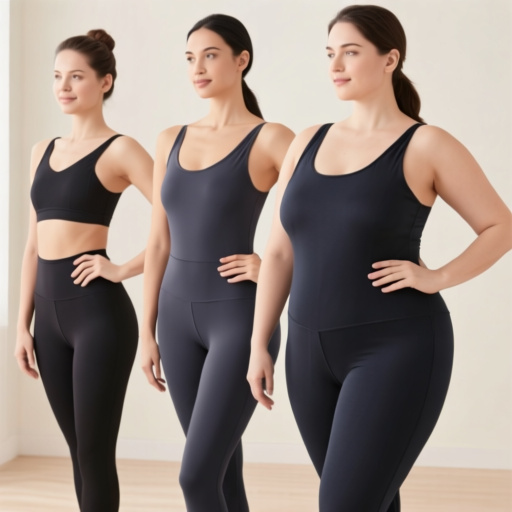
Choosing the right pilates jumpsuit can significantly impact comfort, performance, and even confidence during your workout. Unlike more traditional activewear, jumpsuits offer a streamlined, one-piece design that can be incredibly flattering and functional. However, with varying cuts, fabrics, and fits available, finding the perfect one for your body type can feel overwhelming. This guide will break down considerations for different figures, helping you navigate the options and discover a jumpsuit that enhances your pilates practice.
For individuals with an athletic build, jumpsuits that provide support and allow for a full range of motion are ideal. Look for those crafted from moisture-wicking, four-way stretch fabrics. These fabrics, often incorporating materials like spandex or nylon blends, move with you without feeling restrictive. A jumpsuit with a defined waist, perhaps achieved through a cinched design or a well-placed seam, can accentuate your natural shape. Avoid overly baggy styles that can obscure your physique. Consider jumpsuits with strategically placed panels or seams to enhance your silhouette. Many brands now offer compression-style jumpsuits that can provide additional support during high-intensity pilates routines.
Those with a curvier figure might find that a jumpsuit with thoughtful design elements offers both comfort and a flattering fit. Vertical lines and ruching can create a lengthening effect. Jumpsuits with a higher neckline can provide a sense of security and balance. Fabric that offers some structure, rather than being overly flimsy, can be beneficial. Look for adjustable straps or closures to customize the fit around the bust and waist. Avoid jumpsuits that are too tight, as this can feel uncomfortable and unflattering. Many brands now offer jumpsuits specifically designed with wider straps and more generous cuts in the bust and hip areas.
For those with a petite frame, the key is to avoid jumpsuits that overwhelm your height. Opt for styles with clean lines and minimal bulk. Avoid overly wide legs or voluminous sleeves if you want to maintain a balanced proportion. Jumpsuits with a defined waist that sits higher can create the illusion of longer legs. Solid colors or subtle patterns tend to be more flattering than large, bold prints. Consider jumpsuits with a cropped length or those that can be easily tucked into shoes to further elongate the legs. A well-fitted jumpsuit in a solid color can be a surprisingly powerful tool for creating a streamlined look.
Individuals with an hourglass figure can leverage jumpsuits that emphasize their natural curves. Fitted styles that hug the body without being overly tight are generally flattering. Look for jumpsuits with a defined waist and well-structured bodice. Fabrics with some weight can drape beautifully and enhance your shape. Jumpsuits with interesting details like wrap fronts or cutouts can also be a great option. The goal is to find a jumpsuit that celebrates your curves rather than concealing them.
Fabric choice plays a crucial role in the overall fit and feel of a pilates jumpsuit. Moisture-wicking fabrics are a must, as they draw sweat away from the skin, keeping you cool and comfortable during your workout. Common choices include:
- Nylon-spandex blends: Offer excellent stretch and durability.
- Polyester-spandex blends: Budget-friendly and quick-drying.
- Tri-blend fabrics: Provide a soft, comfortable feel with good stretch.
Understanding your body type is the first step in finding the perfect pilates jumpsuit. Experiment with different styles and fabrics to discover what feels most comfortable and flattering. Don’t be afraid to read reviews and consider brands known for their inclusive sizing and flattering designs. Ultimately, the best jumpsuit is the one that makes you feel confident and empowered during your pilates practice.
Styling Your Pilates Jumpsuit: From Studio to Streetwear
The Pilates jumpsuit, once primarily a studio staple, has confidently transitioned into a versatile piece of streetwear. Its comfortable design and flattering silhouette make it a popular choice for a range of activities, from workouts to casual outings. Understanding how to style this garment effectively is key to maximizing its potential. This section explores various ways to adapt your Pilates jumpsuit for different occasions, focusing on fabric considerations and styling techniques.
One of the primary reasons for the jumpsuit’s increasing popularity is its adaptability. Traditionally crafted from breathable, stretchy fabrics like cotton blends and nylon, modern Pilates jumpsuits come in a variety of materials. The fabric choice significantly impacts its suitability for different settings. A moisture-wicking technical fabric is ideal for intense workouts, offering superior comfort and performance. For a more casual look, consider jumpsuits in softer, drapier materials like rayon or linen blends. These fabrics lend a relaxed feel perfect for weekend wear.
Moving beyond the studio, the key to styling a Pilates jumpsuit for streetwear lies in strategic layering and accessorizing. A simple jumpsuit can be elevated with the right additions. For a relaxed daytime look, pair a solid-colored jumpsuit with sneakers or sandals and a denim jacket or cardigan. A belt can cinch the waist, adding definition and creating a more tailored appearance. Consider adding a baseball cap or a crossbody bag for a touch of casual coolness.
To transition a jumpsuit for evening wear, focus on dressing it up. Choose a jumpsuit in a richer color or a more luxurious fabric. Heels or stylish flats instantly elevate the look. Layering with a blazer or a statement jacket can create a sophisticated silhouette. Accessorize with jewelry, such as delicate necklaces or statement earrings. A clutch or a structured handbag completes the evening-appropriate ensemble.
Fabric plays a crucial role in achieving the desired style. Jumpsuits in thicker, more structured fabrics can hold their shape better and lend themselves to more formal looks. Conversely, softer, more flowy fabrics create a relaxed and effortless vibe. The drape of the fabric influences the overall aesthetic, making it an important factor to consider when choosing a jumpsuit for various occasions.
Consider the silhouette of the jumpsuit itself. Wide-leg jumpsuits offer a bohemian feel, while fitted styles create a more streamlined look. Jumpsuits with interesting details, such as tie-waist closures or unique sleeve designs, can add personality and visual interest. Experimenting with different silhouettes allows for greater versatility in styling.
For a comfortable yet stylish weekend outfit, pair a lightweight linen or cotton blend jumpsuit with espadrilles or sandals. Add a straw hat and sunglasses for a summery vibe. This combination is both practical and chic, perfect for a casual stroll or a relaxed lunch. The breathability of natural fabrics ensures comfort even on warmer days.
Furthermore, don’t underestimate the power of accessories. Scarves can add a pop of color or pattern, while belts can define the waist and create shape. Jewelry can elevate the look from casual to dressy. Bags should be chosen to complement the overall style and occasion. A tote bag is perfect for everyday use, while a clutch is ideal for evenings out.
The versatility of the Pilates jumpsuit truly shines in its adaptability to different seasons. In cooler weather, layer with a denim jacket, a cardigan, or a cozy sweater. Tights or leggings can be worn underneath for added warmth and coverage. In warmer months, embrace the jumpsuit’s inherent breathability by styling it with sandals or sneakers and light layers.
In recent years, the demand for sustainable fashion has increased significantly. Many brands now offer Pilates jumpsuits made from eco-friendly materials such as organic cotton, recycled polyester, and Tencel. Opting for sustainable options allows individuals to enjoy the style and comfort of a jumpsuit while minimizing their environmental impact. This reflects a broader trend within the fashion industry towards conscious consumption.
Ultimately, styling a Pilates jumpsuit is about embracing its versatility and adapting it to your personal style and the occasion. By paying attention to fabric, silhouette, and accessories, individuals can create a wide range of looks, from casual and comfortable to chic and sophisticated.
Caring for Your Pilates Jumpsuit: Washing, Drying & Longevity
Proper care significantly extends the life and maintains the performance of a Pilates jumpsuit. The fabric composition largely dictates the best washing and drying methods. Most jumpsuits are made from a blend of nylon and spandex, offering a combination of stretch, durability, and breathability. However, some may include cotton or other synthetic materials, each requiring slightly different attention. Ignoring care instructions can lead to premature wear, loss of elasticity, and fading of color.
Washing Your Pilates Jumpsuit
Hand washing is generally the gentlest approach and often the recommended method to preserve the jumpsuit’s shape and fabric integrity. Fill a clean basin or sink with cool to lukewarm water. Avoid hot water, as it can damage the fibers and cause shrinkage. Add a mild detergent specifically designed for delicates or activewear. Harsh chemicals and bleach should be strictly avoided, as they can degrade the fabric’s elasticity and vibrancy.
Submerge the jumpsuit in the soapy water and gently swish it around. Avoid harsh scrubbing or twisting, which can distort the fabric’s structure. Allow it to soak for about 5-10 minutes. Then, rinse thoroughly with cool, clear water until all traces of detergent are gone. Residual detergent can leave a stiffness and attract dirt.
For machine washing, use a mesh laundry bag to provide extra protection, especially for delicate jumpsuits. Select a delicate or gentle cycle with cool water. Again, use a mild detergent and avoid any fabric softeners, as these can coat the fibers and reduce their wicking ability. Wash the jumpsuit inside out to minimize fading. Alternatively, consider a dedicated activewear wash, which is formulated to maintain the performance properties of synthetic fabrics.
Drying Your Pilates Jumpsuit
The drying process is crucial for maintaining the jumpsuit’s shape and preventing damage. Never put a Pilates jumpsuit in the dryer. The high heat can cause significant shrinkage and damage the elastic fibers, compromising its fit and performance. Instead, air drying is the preferred method.
Lay the jumpsuit flat on a clean, dry surface or hang it on a padded hanger away from direct sunlight or heat. Direct sunlight can fade the colors over time. Avoid using clothespins, as they can leave marks or damage the fabric. Allow ample time for the jumpsuit to air dry completely. This may take several hours or even overnight, depending on the thickness of the fabric and the humidity.
If you’re short on time, you can gently pat the jumpsuit dry with a clean towel, rather than rubbing. This helps to remove excess water without stressing the fibers. Ensure the jumpsuit is fully dry before storing it to prevent mildew or odors.
Extending the Life of Your Jumpsuit
Following these care guidelines will help prolong the life of your Pilates jumpsuit. Regular, gentle washing prevents the buildup of sweat and bacteria that can break down the fabric. Air drying helps maintain the elasticity and shape of the jumpsuit.
- Read the Care Label: Always check the manufacturer’s care instructions, as variations in fabric composition may require specific care.
- Wash After Every Use: Washing after each wear prevents odors and prolongs the time between deeper cleans.
- Avoid Over-Washing: While regular washing is important, excessive washing can also degrade the fabric over time.
- Store Properly: Store your jumpsuit in a cool, dry place away from direct sunlight to prevent fading and mildew. A drawer or closet is ideal.
- Address Snags Promptly: If you notice any small snags or loose threads, address them immediately to prevent them from worsening. A simple stitch can often fix minor damage.
By incorporating these simple steps into your routine, you can ensure your Pilates jumpsuit remains a comfortable and supportive staple in your workout wardrobe for years to come. Maintaining the integrity of the fabric not only ensures longevity but also preserves the jumpsuit’s intended performance benefits, allowing for optimal movement and comfort during your Pilates practice.
Beyond the Studio: Creative Ways to Wear Your Pilates Jumpsuit
The versatility of a Pilates jumpsuit extends far beyond the studio walls. What was initially designed for optimal movement and comfort during workouts can seamlessly transition into various casual settings. It’s a testament to thoughtful design that combines functionality with contemporary style. Instead of relegating this comfortable piece to just your exercise routine, consider these ideas to integrate it into your everyday wardrobe.
One of the easiest ways to elevate a Pilates jumpsuit is through thoughtful layering. On cooler days, layer a denim jacket or a cardigan over the jumpsuit. A structured blazer can instantly make the outfit more polished, suitable for a casual office environment, especially if paired with loafers or ankle boots. For a relaxed weekend look, a cozy oversized sweater works beautifully. Experiment with different textures and lengths to create varied silhouettes. The key is to balance the jumpsuit’s athletic origins with pieces that introduce a different aesthetic.
Accessorizing is crucial for transforming the look of your jumpsuit. A long pendant necklace adds a touch of elegance, while a stack of delicate bracelets keeps the vibe casual. Consider adding a belt to cinch the waist and define your shape – a wide leather belt can create a more dressed-up feel. Swap out athletic sneakers for stylish sandals or flats for a more refined look. A crossbody bag or a tote bag complements the jumpsuit’s practicality. These small additions can dramatically alter the jumpsuit’s overall impression.
Consider the styling depending on the fabric and color of your jumpsuit. Solid-colored jumpsuits offer greater flexibility for accessorizing. A black jumpsuit can be easily dressed up with statement jewelry and heels. Pastel tones lend themselves well to a soft, bohemian aesthetic. Prints can add personality to a casual outfit. Ultimately, the way you accessorize and layer will dictate the jumpsuit’s suitability for different occasions.
For a relaxed weekend outing, pair your jumpsuit with comfortable sneakers and a baseball cap. Add a denim jacket for cooler weather. This creates a effortlessly cool and casual look. To take it up a notch, opt for espadrilles and a woven tote bag. For a slightly more elevated casual look, try flat sandals and a light kimono. The beauty of the jumpsuit lies in its ability to be adapted to different levels of formality. It’s a foundational piece that allows for a lot of styling possibilities.
Beyond simple layering and accessories, think about the occasion. A casual lunch date calls for a different approach than running errands. For a lunch date, consider adding a scarf and a pair of stylish flats. For errands, sneakers and a backpack are perfectly practical. The goal is to adapt the jumpsuit to the specific needs and formality of the day. This adaptability makes it a highly valuable addition to any wardrobe.
Many brands are now offering Pilates jumpsuits in a wider range of fabrics and styles, further expanding their versatility. Look for jumpsuits in linen for warm weather, or thicker ponte knit fabrics for a more structured look. Different necklines and sleeve lengths can also influence the overall style. Understanding the fabric and cut will help you determine how to best style your jumpsuit for different occasions.
The comfort factor of a Pilates jumpsuit shouldn’t be overlooked. Its stretchy fabric and relaxed fit make it ideal for all-day wear. This inherent comfort allows for easy transitions between activities, making it a practical choice for busy individuals. This blend of comfort and style is a significant reason why the Pilates jumpsuit has gained such popularity.
The Future of Pilates Jumpsuits: Innovations in Design & Sustainability
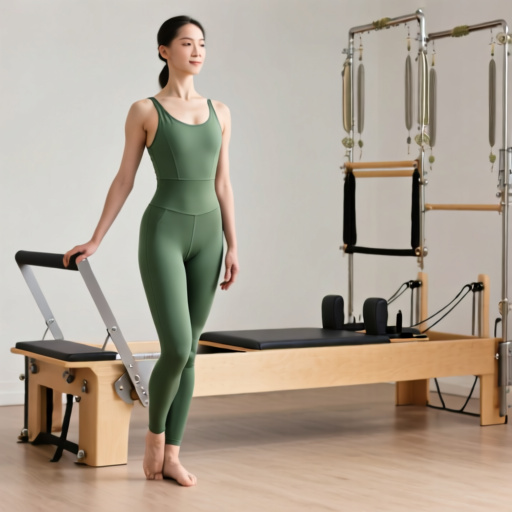
The Pilates jumpsuit, once a niche garment, is experiencing a significant evolution. Driven by advancements in textile technology and a growing emphasis on environmental consciousness, future iterations promise enhanced performance, comfort, and sustainability. This section explores emerging trends in the design and materials of Pilates jumpsuits, examining how innovation is shaping the future of this versatile activewear staple.
One key area of development lies in fabric science. Traditional Pilates jumpsuits often utilize materials like cotton or basic nylon blends. However, the future points toward high-performance fabrics with impressive properties. For instance, advancements in recycled nylon are leading to materials with a reduced environmental footprint without compromising on stretch and durability. Fabrics incorporating mercerized cotton, known for its exceptional strength and luster, are also gaining traction. Moreover, innovative blends featuring natural fibers like bamboo, celebrated for its breathability and moisture-wicking capabilities, are becoming increasingly popular. These materials aim to provide optimal support and comfort during a Pilates practice, while also being kinder to the planet.
Beyond material composition, design innovations are focusing on enhancing functionality. Seamless construction is a prominent trend, minimizing chafing and maximizing freedom of movement. This approach eliminates bulky seams that can restrict motion during core-engaging exercises. Integrated support systems, such as strategically placed compression panels or reinforced waistbands, are also emerging. These features offer targeted support to key muscle groups, improving posture and stability. Furthermore, designers are incorporating smart textile technologies, integrating sensors into the fabric to track movement and provide feedback on form – a concept often seen in high-end performance apparel.
Sustainability is no longer an optional consideration but a core driver of innovation. The fashion industry is facing increasing pressure to reduce its environmental impact, and the Pilates jumpsuit sector is responding. Designers are actively exploring eco-friendly dyeing processes that utilize less water and fewer chemicals. The use of recycled materials, as mentioned earlier, is another vital aspect. However, the focus extends beyond just fabric. Companies are also implementing more ethical manufacturing practices, ensuring fair labor conditions throughout their supply chains. This includes transparency in production processes and a commitment to reducing textile waste.
Consider the development of fabrics derived from recycled plastic bottles. According to studies from organizations like the Environmental Protection Agency, millions of tons of plastic waste end up in landfills and oceans annually. Repurposing this waste into high-quality performance fabrics, like those used in some contemporary Pilates jumpsuits, offers a significant environmental benefit. This closed-loop system reduces reliance on virgin materials and helps to mitigate plastic pollution.
The versatility of the Pilates jumpsuit is also being addressed through design. While traditionally a single-piece garment, future designs may incorporate modular elements, allowing for customization and adaptation to different weather conditions or workout intensities. Think detachable sleeves or adjustable waistbands. This focus on adaptability aligns with the evolving needs of active individuals who engage in a variety of fitness activities.
Looking ahead, the future of Pilates jumpsuits is poised for continued innovation. We can anticipate further advancements in smart textiles, personalized fit technology, and even 3D-printed components for enhanced support and comfort. The increasing consumer demand for sustainable and ethically produced activewear will undoubtedly continue to shape the industry, pushing brands to adopt more responsible practices. The blend of performance, well-being, and environmental consciousness will define the next generation of the Pilates jumpsuit.
Frequently Asked Questions
- What is a Pilates jumpsuit and what makes its design unique?
A Pilates jumpsuit is a specialized piece of clothing designed for Pilates exercise. Its unique design emphasizes freedom of movement and comfort, featuring a looser fit and strategic cuts that allow for a full range of motion without restricting the body.
- How has the Pilates jumpsuit evolved over time?
Early Pilates jumpsuits were practical and unrestrictive, prioritizing movement. Over time, they have incorporated modern fabrics and design principles while retaining the core focus on functionality and comfort.
- What are the key features to look for in a quality Pilates jumpsuit?
A good Pilates jumpsuit prioritizes breathable, stretchy fabrics that wick away moisture. It should also have a loose fit, a racerback or similar design for unrestricted shoulder movement, and flatlock seams to prevent chafing.

0 Comments