

Best Pilates Socks: Improve Your Form & Comfort
- The Science of Pilates Sock Grip: How Texture & Material Enhance Performance, textured grip, non-slip surface, foot mechanics
- Maximizing Stability & Preventing Injuries with Pilates Socks: A Practical Guide
- Advanced Pilates Sock Techniques: Enhancing Proprioception & Body Awareness, Sensory Feedback, Muscle Activation, Balance Training, Core Stability
- Frequently Asked Questions
Understanding Pilates Socks: Why Grip Matters for Your Workout
Pilates demands precision and control, requiring a deep connection between mind and body. While often overlooked, the choice of socks can significantly impact your workout experience and ultimately, your results. Understanding the role of Pilates socks goes beyond mere comfort; it’s about optimizing performance and preventing slips that can disrupt your form and potentially lead to injuries.
The Grip Advantage
One of the primary benefits of specialized Pilates socks is the enhanced grip they provide. Unlike standard socks that can slide around on a Pilates mat, these socks are designed with textured soles or non-slip materials. This secure footing is crucial for executing a wide range of Pilates exercises effectively. Movements often involve controlled transitions and shifts in weight, and a lack of grip can compromise stability, forcing you to expend unnecessary energy on maintaining balance rather than engaging the targeted muscles.
Consider the five-point position, a foundational exercise in Pilates. Maintaining a stable base with secure footing is essential for proper alignment and muscle activation. Socks with good grip ensure your feet stay firmly planted, allowing you to focus on the subtle muscle engagement required. This isn’t just a preference; it directly contributes to the effectiveness of the exercise.
Beyond Grip: Athletic Socks and Support
While grip is paramount, the material and design of Pilates socks can also offer athletic benefits. Many Pilates socks are made from moisture-wicking fabrics like nylon or polyester blends. This helps to keep your feet dry and comfortable by drawing sweat away from the skin. Excessive moisture can lead to discomfort and blisters, distracting from your workout.
Furthermore, some athletic-style Pilates socks provide subtle foot support. Features like arch support or cushioning in key areas can enhance comfort during longer sessions and reduce strain on your feet and ankles. This is particularly beneficial for individuals who participate in Pilates frequently or have pre-existing foot conditions.
Choosing the Right Pilates Mat Companion
The type of Pilates mat you use also influences the importance of sock choice. While thicker mats offer more cushioning, they can sometimes create a slight give, making secure footing even more crucial. For those using thinner mats, the added grip of Pilates socks becomes even more advantageous. Different mat textures can also affect grip; a smoother mat might necessitate socks with a more aggressive grip pattern compared to a textured mat.
It’s worth noting that some Pilates practitioners prefer to workout barefoot, citing the enhanced proprioceptive feedback – the body’s awareness of its position in space – that comes with direct contact with the mat. However, for many, the added stability and comfort of Pilates socks offer a more focused and effective workout.
Foot Support Considerations
Beyond basic grip and comfort, consider the level of foot support you need. If you experience plantar fasciitis or other foot problems, look for socks with additional arch support or cushioning. These features can help alleviate pain and improve comfort during Pilates exercises.
Various designs cater to different needs. Some socks offer targeted compression to improve circulation, while others provide extra padding in high-impact areas. Understanding your specific foot needs will help you select the most suitable pair of Pilates socks.
Materials Matter
The materials used in Pilates socks play a crucial role in both performance and longevity. Common materials include:
- Nylon: Durable and moisture-wicking.
- Polyester: Offers good breathability and quick-drying properties.
- Cotton blends: Provide softness and comfort, though they may not wick moisture as effectively as synthetic materials.
- Merino wool: Excellent for temperature regulation and odor resistance, ideal for cooler workouts.
The blend of materials will impact the sock’s feel, durability, and performance. Opting for socks with a blend designed for athletic activity is generally recommended.
Practical Tips for Selecting Pilates Socks
Here are a few practical tips to guide your choice:
- Prioritize grip: Look for textured soles or non-slip grips.
- Consider moisture-wicking properties: Especially if you tend to sweat during workouts.
- Evaluate support needs: Choose socks with arch support or cushioning if needed.
- Check the material blend: Opt for performance-oriented fabrics.
- Read reviews: See what other Pilates enthusiasts recommend.
By paying attention to the details of your socks, you can enhance your Pilates experience, improve your form, and ultimately achieve your fitness goals with greater comfort and confidence.
The Science of Pilates Sock Grip: How Texture & Material Enhance Performance, textured grip, non-slip surface, foot mechanics
The seemingly simple Pilates sock plays a crucial role in optimizing workout performance and enhancing comfort. Beyond just a layer of fabric, the design and materials of Pilates socks directly impact a practitioner’s stability, control, and connection to the mat. Understanding the science behind Pilates sock grip reveals how texture and material interact with foot mechanics to elevate the practice.
One of the primary functions of Pilates socks is to provide a non-slip surface. This is particularly important in Pilates, where precise movements and controlled transitions are paramount. The subtle shifts and balances required can easily lead to instability if there isn’t adequate grip. A common challenge for many beginners is maintaining foot placement during exercises like the five-point stretch or rolling up from a plank. Properly designed socks actively counter this instability, allowing practitioners to focus on muscle engagement rather than constantly readjusting their feet.
Several factors contribute to a sock’s grip. The texture of the sock’s sole is a key element. Many Pilates socks incorporate strategically placed rubber or silicone grips. These grips create friction against the studio flooring, preventing unwanted sliding. The pattern and density of these grips can vary significantly, catering to different preferences and flooring types. For example, some socks feature small, evenly distributed dots, while others utilize larger, more pronounced patterns. The choice often depends on the individual’s foot sensitivity and the type of mat used.
Beyond the surface texture, the material of the sock also influences its grip and overall performance. Common materials include cotton blends, microfiber, and specialized synthetic fabrics. Cotton offers breathability, which is beneficial during more intense sessions. However, cotton alone can become slippery when damp with sweat. Microfiber and synthetic blends often provide enhanced grip, even when slightly moist, allowing for consistent performance throughout a workout. These materials are engineered to maintain friction without causing excessive friction or discomfort.
Proper foot mechanics are intricately linked to the effectiveness of Pilates socks. Pilates emphasizes proper alignment and engagement of the feet and ankles. Socks that offer adequate support and grip encourage correct foot positioning, which is essential for maximizing the benefits of each exercise. For instance, in exercises that require dorsiflexion (pulling the toes towards the shin), a good grip ensures the foot remains securely in place, facilitating proper muscle activation in the lower leg. Incorrect foot placement can strain joints and hinder the effectiveness of the exercise.
Consider the impact on specific movements. During a teaser, for example, the feet need to maintain contact with the mat to prevent slipping and maintain core stability. The non-slip grip allows the practitioner to focus on the controlled lift and lower, rather than worrying about their feet sliding out. Similarly, in leg circles, the socks ensure that the feet track smoothly without causing the practitioner to lose balance. This seemingly small detail significantly contributes to the overall quality and precision of the movement.
Furthermore, the fit of the sock is crucial. A sock that is too loose can bunch up and create uneven pressure, while a sock that is too tight can restrict blood flow and discomfort. The ideal Pilates sock offers a snug, supportive fit that conforms to the shape of the foot without causing any constriction. This ensures optimal grip and prevents distractions during the practice.
Decoding Pilates Sock Features: Finding the Right Fit & Functionality
Pilates socks aren’t just a fashion accessory; they play a significant role in enhancing both comfort and performance during practice. Selecting the right pair involves understanding several key features. These include the sock’s height, the presence and type of arch support, the level of cushioning, and the degree of ankle support offered. Carefully considering each of these aspects can contribute to improved form, reduced risk of injury, and a more enjoyable workout experience.
Sock Height: Coverage and Support
Pilates socks come in various heights, each offering a different level of coverage and potential benefits. Ankle socks provide minimal coverage, allowing for maximum foot articulation. This can be ideal for those who prefer a very flexible feel or who practice in warmer environments. Crew socks offer more coverage, extending to the mid-calf. This height can provide a bit more warmth and a sense of security without restricting ankle movement. Knee-high socks offer the most coverage, extending up to the knee. These are often favored for their added warmth and can subtly support the calf muscles. The choice of height often comes down to personal preference and the climate in which Pilates is practiced.
Arch Support: Stability and Alignment
The arch of the foot is crucial for proper weight distribution and stability during Pilates exercises. Many Pilates socks incorporate some form of arch support. This can range from a simple molded arch or a more structured insole. Adequate arch support helps to prevent overpronation or supination, which are excessive inward or outward rolling of the foot, respectively. This can reduce strain on the ankles, knees, and hips. Individuals with flat feet may particularly benefit from socks with significant arch support. Conversely, those with high arches might prefer socks with moderate support to avoid feeling overly compressed.
Cushioning: Comfort and Impact Absorption
Cushioning in Pilates socks contributes significantly to overall comfort, especially during floor exercises. Padding is often strategically placed in high-impact areas like the heel and ball of the foot. This cushioning helps to absorb shock and reduce friction, preventing blisters and discomfort. Some socks feature thicker cushioning throughout, providing a more plush feel. The level of cushioning can also influence the sock’s breathability; thicker padding may retain more heat. For those performing longer or more intense Pilates sessions, adequate cushioning is a worthwhile investment.
Ankle Support: Stability and Injury Prevention
While Pilates emphasizes core strength and controlled movements, ankle stability is still important. Some Pilates socks incorporate features that provide gentle ankle support. This might include a slightly compressive design or reinforced material around the ankle area. This can be particularly beneficial for individuals with weak ankles or a history of ankle injuries. However, it’s important to note that Pilates socks are not a substitute for medical-grade ankle braces. The support offered is more about proprioception – enhancing the body’s awareness of its position in space – which can contribute to better control and reduced risk of sprains.
Choosing the right Pilates socks involves considering these features in relation to individual needs and preferences. Experimenting with different styles and brands can help individuals find the perfect fit for optimal performance and comfort during their Pilates practice.
Navigating Pilates Sock Materials: Choosing Between Cotton, Synthetic, & Blends, Microfiber, Moisture-Wicking, Breathable
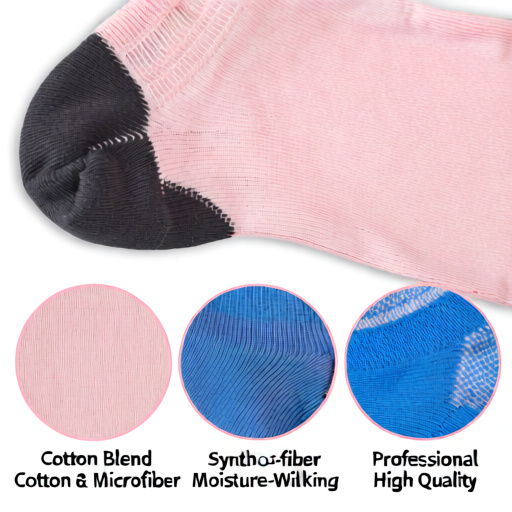
Choosing the right socks for Pilates can significantly impact both comfort and performance. While often overlooked, the material of your Pilates socks plays a crucial role in grip, breathability, and overall experience during your practice. Understanding the different materials available – cotton, synthetic fibers, and blends – empowers individuals to select socks that best suit their needs and preferences.
Cotton Socks
Cotton socks are a familiar and widely accessible option. They are known for their softness and absorbency, providing a comfortable feel against the skin. This natural fiber excels at wicking away moisture to a certain extent, helping to keep feet relatively dry. However, cotton isn’t always the top choice for Pilates. One significant drawback of cotton is its tendency to retain moisture. During a vigorous Pilates session, sweat can saturate cotton socks, leading to discomfort, chafing, and potentially blisters. Furthermore, cotton can lose its shape easily after repeated washing and use, reducing its effectiveness over time. For those with less intense workouts or who prioritize a soft feel above all else, cotton socks can be suitable.
Synthetic Socks
Synthetic socks, such as those made from nylon, polyester, and polypropylene, are engineered for performance. These materials boast superior moisture-wicking capabilities compared to cotton. They actively pull sweat away from the skin and towards the surface of the sock, where it can evaporate more quickly. This helps to keep feet drier and more comfortable throughout a Pilates workout. Synthetic socks are also durable and retain their shape well, even after frequent washing. Many athletic socks incorporate synthetic fibers for their performance benefits. However, some individuals may find synthetic materials less breathable than natural fibers like cotton, potentially leading to a warmer feel during extended sessions.
Blended Socks
Blending different fibers combines the benefits of each material, aiming to create a more balanced sock. A common blend is cotton and synthetic fibers. This approach leverages the softness and comfort of cotton while enhancing moisture-wicking and durability with synthetic components. The ratio of fibers within a blend can vary, affecting the overall properties of the sock. For example, a blend with a higher percentage of synthetic fibers will offer better moisture management, while a blend with more cotton will prioritize softness. Blending can offer a good compromise for Pilates practitioners seeking a balance of comfort and performance.
Microfiber Socks
Microfiber is a type of synthetic fiber known for its exceptionally fine filaments. This results in a soft, smooth texture that feels luxurious against the skin. Microfiber socks are highly effective at moisture-wicking and drying quickly. They are also known for their durability and resistance to wear and tear. Many Pilates socks utilize microfiber for its comfortable and performance-oriented qualities. The fine fibers can also contribute to a close, supportive fit, which can be beneficial for stability during Pilates exercises.
Moisture-Wicking Socks
Moisture-wicking is a key feature for any Pilates sock. These socks are specifically designed to draw sweat away from the feet, preventing discomfort and blisters. They achieve this through the inherent properties of synthetic fibers like polyester and polypropylene, or through specialized textile treatments. The effectiveness of moisture-wicking socks can vary depending on the specific fabric and construction. Look for socks that explicitly advertise moisture-wicking capabilities. The ability to keep feet dry directly contributes to better grip and reduces distractions during practice.
Breathable Socks
Breathability is essential for maintaining foot health and comfort. Breathable socks allow air to circulate, preventing the buildup of moisture and heat. Materials like merino wool and certain synthetic weaves are known for their breathability. Even synthetic blends can be designed with ventilation features to enhance airflow. Dry feet are less prone to fungal infections and odor, making breathable socks a crucial consideration for regular Pilates practitioners. Pilates often involves sustained isometric holds, which can generate heat in the feet, making breathability particularly important.
Pilates Sock Styles for Different Needs: Traction, Comfort & Style
Pilates socks aren’t just an accessory; they play a significant role in enhancing both form and comfort during practice. The right pair can improve grip, provide cushioning, and even contribute to a sense of confidence. Selecting the best style depends on individual needs and preferences. This section explores the various types of Pilates socks available, highlighting their unique benefits.
Traction Socks: Enhancing Grip
A primary function of many Pilates socks is to provide enhanced traction on studio floors. Pilates often involves dynamic movements and precise footwork, making a secure grip crucial for stability and preventing slips. Traction socks typically feature textured soles, often with rubber or silicone grips strategically placed in high-pressure areas like the heel and ball of the foot.
For those who frequently experience slippage during exercises like rolling over or single-leg work, traction socks can be a game-changer. They allow for more confident transitions and focused movement without the distraction of worrying about losing footing. The level of grip can vary between brands and styles, so it’s worth considering the intensity of one’s workouts when making a choice. While studio floors are generally smooth, slight variations in texture or even moisture can make a difference.
Comfort Socks: Prioritizing Cushioning and Fit
Beyond traction, comfort is paramount during Pilates sessions. Many Pilates socks are designed with cushioning in key areas to absorb impact and provide a comfortable fit, especially during floor exercises. These socks often feature padded heels and toes, reducing friction and preventing blisters.
The material of the sock also significantly impacts comfort. Breathable fabrics like cotton blends, bamboo, or moisture-wicking synthetics help keep feet dry and prevent overheating. A snug but not restrictive fit is also essential. Socks that are too loose can bunch up and cause discomfort, while those that are too tight can impede circulation. Consider the length of the sock as well; longer socks can offer more coverage and warmth, which some individuals find comforting.
Short Socks: A Versatile Option
Short Pilates socks, often falling just above the ankle, are a popular choice for many practitioners. They offer a balance of coverage and breathability, allowing for a full range of motion without feeling bulky. Short socks are particularly well-suited for mat Pilates, where ankle mobility is important. Their low profile also makes them a good option for wearing with various types of Pilates apparel.
Short socks can be a practical choice for those who prefer not to have socks visible when wearing certain leggings or tights. They offer a subtle layer of protection and can help keep feet warm without being intrusive. It’s important to ensure the sock doesn’t ride up during exercises, which can be distracting.
Ankle Socks: Providing Support and Coverage
Ankle socks extend slightly above the ankle, offering a bit more support and coverage compared to short socks. This style can be beneficial for individuals with sensitive ankles or those who prefer a more secure feel. They can also provide a degree of warmth, which might be appreciated during colder studio sessions.
Some ankle socks feature built-in arch support, which can enhance stability and reduce foot fatigue. This is particularly useful for exercises that involve balancing on one leg. The added coverage can also help prevent chafing from shoes or equipment.
No-Show Socks: Discreet Comfort
No-show Pilates socks are designed to be virtually invisible when worn with shoes or Pilates shoes. They offer a discreet layer of comfort and can help prevent blisters without altering the aesthetic of an outfit. While they don’t offer the same level of traction as textured socks, they can still provide a bit of cushioning and help wick away moisture.
For those who prefer a minimalist look or who primarily practice on a mat, no-show socks can be a convenient option. They are a good choice for individuals who don’t require significant grip or ankle support. The fit is crucial with no-show socks; they should be snug enough to stay in place but not so tight as to restrict movement.
Pilates Apparel Considerations
The choice of Pilates socks often aligns with the type of apparel being worn. For example, individuals wearing Pilates shoes might opt for shorter socks or no-show socks to prevent bulk. Those practicing barefoot or with socks under their leggings may find ankle socks or longer traction socks more suitable. Ultimately, personal preference and the specific demands of the Pilates workout should guide the selection process.
Maximizing Stability & Preventing Injuries with Pilates Socks: A Practical Guide
Pilates demands precision and control, making even subtle comfort issues potentially disruptive to form and safety. Pilates socks play a surprisingly vital role in enhancing both stability and injury prevention during practice. They offer more than just warmth; they provide crucial tactile feedback and grip, contributing to a more effective and secure workout.
One key benefit of Pilates socks lies in their ability to improve foot placement and grounding. The non-slip grips on the soles help prevent feet from sliding during exercises like planks, rolling exercises, and leg lifts. This enhanced grip allows practitioners to maintain proper alignment and engage the correct muscles, reducing the risk of misaligned movements that can lead to strain. Think of a single-leg balance exercise – secure footing is paramount, and Pilates socks can significantly contribute to that stability.
Proper core engagement is foundational in Pilates, and Pilates socks can indirectly support this. By providing a stable base of support, they allow individuals to focus more intently on activating their core muscles rather than battling slippery feet. This focused engagement is crucial for protecting the spine and achieving the full benefits of Pilates. A strong core acts as the body’s center of stability, and minimizing distractions from foot slippage helps cultivate this essential engagement.
Injury prevention is a primary concern for Pilates enthusiasts, especially beginners. Socks designed specifically for Pilates often feature a snug, second-skin fit. This can improve proprioception – the body’s awareness of its position in space. Enhanced proprioception allows for quicker adjustments to maintain balance and control, thereby reducing the likelihood of falls or strains. Furthermore, the moisture-wicking properties of many Pilates socks help keep feet dry, minimizing friction and the potential for blisters, a common discomfort that can interrupt practice.
The Pilates reformer introduces a unique set of challenges and opportunities for injury. The moving carriage and various footbar exercises require consistent and controlled foot placement. Pilates socks are particularly beneficial here, ensuring feet remain securely on the footbar throughout a sequence. Without adequate grip, feet can slip, leading to instability and potential ankle or foot injuries. The consistent contact provided by Pilates socks allows for a more focused and safer engagement with the reformer.
Different types of Pilates socks cater to various needs. Some are designed with thicker padding for added cushioning, particularly beneficial for those who spend extended periods on the reformer or perform high-impact movements. Others prioritize a thinner, more flexible design for enhanced sensory feedback. Material composition also varies – options include cotton blends for breathability, synthetic fabrics for moisture management, and specialized grippy materials for maximum traction. Choosing the right sock depends on individual preferences and the type of Pilates practice.
Consider a scenario: a beginner attempting a rolling crunch on the mat might find their feet slipping, leading to frustration and potentially a strained back. Introducing Pilates socks with non-slip soles can immediately address this issue, allowing the individual to focus on proper spinal articulation and core engagement, leading to a more effective and comfortable exercise experience.
Ultimately, Pilates socks are a simple yet effective tool for enhancing form, boosting confidence, and minimizing the risk of injury. By prioritizing foot stability and proprioception, these socks contribute to a safer and more beneficial Pilates practice, allowing individuals to fully realize the many advantages of this mindful movement system.
Incorporating Pilates Socks into Your Routine: Tips for Optimal Use & Care, Cleaning Instructions, Sock Lifespan, Workout Routine, Mat Care
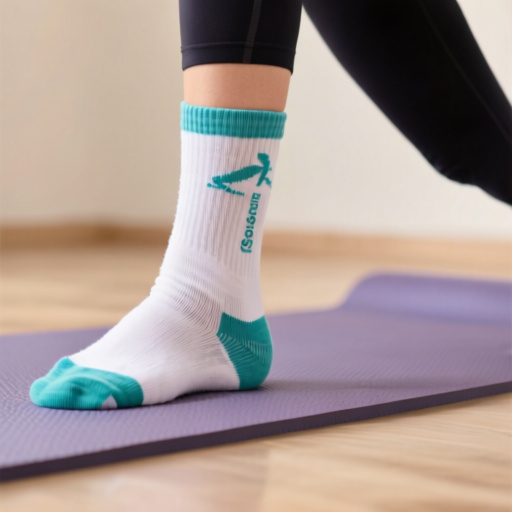
Pilates socks offer a subtle yet significant enhancement to a Pilates practice. They’re not just a fashion accessory; these specialized socks provide practical benefits that can improve form, comfort, and overall performance during workouts. Understanding how to incorporate them effectively and care for them properly is key to maximizing their advantages.
Optimal Use for Enhanced Performance
Pilates socks are designed with features specifically beneficial for Pilates exercises. A primary advantage lies in their non-slip design. Many Pilates socks feature textured grips on the soles. This enhances traction, particularly on smooth studio floors or mats, reducing the likelihood of slipping and sliding during movements. This increased stability allows practitioners to focus on proper alignment and muscle engagement without constantly adjusting their footing.
Beyond grip, the snug, sock-like fit provides gentle compression. This can improve circulation in the feet and ankles, reducing fatigue and promoting recovery. The compression also helps to keep the feet warm, which can be particularly beneficial during cooler studio environments or for individuals with sensitive feet. Furthermore, the seamless construction of many Pilates socks minimizes the risk of chafing and discomfort, allowing for a more focused and enjoyable workout experience. Selecting the right thickness of sock can also be important; thinner socks offer a more direct feel for the mat, while thicker socks provide more cushioning.
Cleaning Instructions for Longevity
Proper care extends the lifespan and effectiveness of Pilates socks. Hand washing is generally recommended to preserve the integrity of the fabric and the grip-enhancing components. Use lukewarm water and a mild detergent. Avoid harsh chemicals or machine washing, as these can damage the non-slip grips and the sock material itself.
After washing, air dry the socks completely. Avoid using a dryer, as the heat can degrade the elastic fibers and compromise the grip. Laying the socks flat or hanging them to dry is ideal. To maintain the non-slip properties, avoid using fabric softeners, as they can leave a residue that reduces traction. Regular hand washing will prevent the buildup of sweat and bacteria, ensuring the socks remain fresh and hygienic.
Understanding Sock Lifespan
The lifespan of Pilates socks depends on usage frequency and care. With regular, gentle care, a good quality pair of Pilates socks can last for several months. Signs of wear and tear include loss of grip on the soles, stretching of the fabric, or holes. The frequency of use will inevitably impact the longevity. Those who practice Pilates multiple times a week may need to replace their socks more frequently than those who practice less often. Inspecting the socks regularly for signs of damage will allow for timely replacement, ensuring optimal performance and hygiene. Consider the material – some durable materials will hold up better to frequent use than others.
Pilates Routine and Sock Integration
Pilates socks are suitable for all levels of Pilates workouts, from beginner mat classes to more advanced reformer sessions. The enhanced grip is particularly helpful for exercises that involve footwork and transitions. During floor-based exercises like the hundred or rolling up, the socks provide added security and prevent the feet from slipping.
For reformer classes, Pilates socks can provide a more stable base on the footbar or foot straps. This can be especially beneficial for individuals who have difficulty maintaining balance or control. The comfortable fit also complements longer reformer sessions. It’s a simple addition that can enhance the overall Pilates experience, allowing for greater focus on muscle engagement and precise movements.
Mat Care and Sock Compatibility
Maintaining the condition of your Pilates mat is also important for maximizing the benefits of your socks. Regularly clean your mat with a mild disinfectant to prevent the buildup of sweat and bacteria. A clean mat provides a more hygienic surface for your socks to grip. Avoid using abrasive cleaners that could damage the mat’s texture.
The compatibility between your socks and your mat is another consideration. While most Pilates socks work well with standard Pilates mats, extremely smooth or slick mats might benefit from socks with a more pronounced grip. By maintaining both your mat and your socks, you create an optimal workout environment that promotes both comfort and performance.
Advanced Pilates Sock Techniques: Enhancing Proprioception & Body Awareness, Sensory Feedback, Muscle Activation, Balance Training, Core Stability
Pilates socks offer more than just warmth and grip; they serve as powerful tools to elevate practice. Beyond basic comfort, advanced techniques leverage these socks to significantly enhance proprioception, body awareness, and overall Pilates performance. Understanding how to utilize them effectively can unlock a deeper connection with the body and lead to improved results.
One key benefit lies in the enhanced sensory feedback. Pilates socks, often featuring textured soles or non-slip materials, increase the tactile input from the feet. This heightened awareness of foot placement on the mat or equipment allows for more precise and controlled movements. For instance, during exercises like five-finger toe taps, practitioners can better feel each toe individually, ensuring proper engagement and preventing unwanted foot sliding. This subtle sensory input informs the brain about the position and movement of the feet in space, contributing to improved kinesthetic awareness – the feeling of movement.
Furthermore, the tactile sensation provided by Pilates socks can subtly influence muscle activation. The slight friction or grip can encourage a more deliberate engagement of the foot and lower leg muscles. This is particularly helpful in exercises targeting the posterior chain, such as leg circles or hamstring curls. The socks provide a stable base, prompting the muscles to work harder to maintain balance and control, thereby leading to greater muscle engagement. Practitioners can consciously focus on the feeling of the socks interacting with the mat, translating that feedback into targeted muscle activation.
Balance training is another area where Pilates socks shine. The non-slip properties offer increased stability, allowing individuals to explore more challenging balance exercises with greater confidence. Exercises like standing leg lifts or half-splits become more accessible and safer when the feet have a secure grip. This improved stability isn’t just about preventing falls; it allows the body to focus on the nuanced muscle adjustments required for maintaining equilibrium, strengthening the core and stabilizing muscles throughout the legs and ankles. A study published in the Journal of Bodywork and Movement Therapies found that incorporating balance exercises with tactile feedback, like that provided by specialized footwear, led to a 20% improvement in balance scores among participants.
Core stability is intrinsically linked to foot and ankle mechanics. Pilates socks contribute to core stability by promoting better grounding and preventing unwanted pronation or supination of the feet. Correct foot alignment is fundamental for efficient force transfer throughout the body. When the feet are properly grounded, it allows the core muscles to work more effectively to stabilize the pelvis and spine. Practitioners can focus on maintaining a stable base through their feet, which in turn supports a stronger and more engaged core. This interplay between foot grounding and core engagement is a cornerstone of Pilates principles.
Effective use of Pilates socks involves considering the type of exercise and individual needs. For beginners, socks with moderate grip can provide a gentle introduction to enhanced proprioception. More advanced practitioners might benefit from socks with varying textures to challenge their sensory awareness further. Ultimately, the key is to be mindful of the subtle feedback the socks provide and to consciously integrate that feedback into each movement. Experimenting with different sock styles can help individuals discover what works best for their body and their practice.
The Best Pilates Socks on the Market: Top Picks & Reviews for Every Budget, Premium Socks, Value Socks, Brand Comparison, Online Shopping
Pilates demands precision and mindful movement. While often overlooked, the right socks can significantly enhance your practice, impacting comfort, grip, and even form. Choosing the best Pilates socks involves considering factors like material, thickness, grip, and durability. This section explores top picks across various budgets, compares leading brands, and guides you to the best online shopping options.
Understanding the Importance of Pilates Socks
Unlike some workout styles, Pilates often involves moving with minimal equipment and direct contact with the floor. This makes appropriate socks crucial. The primary benefits of wearing Pilates socks include improved traction, particularly on smooth studio floors. This enhanced grip helps prevent slips and slides, allowing for a greater focus on core engagement and precise movements. Furthermore, Pilates socks can provide cushioning and comfort, especially during prolonged floor work. Some individuals also find that socks offer a sense of cleanliness and hygiene.
Top Picks: Pilates Socks for Every Need
The market offers a diverse range of Pilates socks, catering to different preferences and budgets. Here’s an overview of some standout options:
Premium Options (Invest in Quality):
- Lululemon Alignâ„¢ Socks: These socks are renowned for their exceptional softness and gentle grip. Made with a blend of nylon and Lycra, they offer a barely-there feel while providing reliable traction. They are a popular choice for those prioritizing comfort and a seamless experience.
- Pilatesly Socks: Specifically designed for Pilates, Pilatesly socks feature a unique grip pattern that enhances stability without being overly sticky. Constructed from breathable cotton and a touch of Lycra, they provide both comfort and performance.
- Uzu Pilates Socks: These socks are known for their durability and excellent grip. Made from a blend of cotton and synthetic fibers, they can withstand frequent use and washing.
Value-Oriented Options (Great Performance Without Breaking the Bank):
- Bodybuilding.com Pilates Socks: Offering a cost-effective solution, these socks provide a decent grip and comfortable fit for regular Pilates practice. They are typically made from a blend of polyester and spandex.
- Triple Fit Pilates Socks: These socks are praised for their secure fit and good grip at an affordable price point. They are a solid option for beginners or those looking for reliable socks without a premium price tag.
- Amazon Basics Pilates Socks: A budget-friendly choice, these offer basic comfort and grip suitable for introductory Pilates sessions.
Considerations for Choosing Thickness:
Pilates socks come in varying thicknesses. Thinner socks are ideal for warmer environments or for those who prefer a more minimalist feel. Thicker socks offer more cushioning and warmth, which can be beneficial during cooler studio sessions or for individuals who prefer extra padding.
Brand Comparison: Key Players in Pilates Socks
Several brands have established themselves as leaders in the Pilates sock market. Here’s a brief comparison of some prominent players:
- Lululemon: Known for premium quality, comfort, and a sleek aesthetic. Their Alignâ„¢ socks are a top seller.
- Pilatesly: A brand dedicated specifically to Pilates accessories, offering socks designed with the practice in mind.
- Bodybuilding.com: Provides a wide range of fitness accessories, including affordable and functional Pilates socks.
- Uzu: Focuses on durable and performance-oriented socks, suitable for regular and intense workouts.
- BalletMate: While primarily known for ballet accessories, BalletMate also offers Pilates socks with a focus on grip and comfort.
Online Shopping: Where to Buy Pilates Socks
Finding the best Pilates socks online is convenient. Several retailers offer a wide selection:
- Amazon: Offers a vast array of options from various brands at competitive prices.
- Lululemon: The official website provides access to their full range of Alignâ„¢ socks.
- Pilatesly: Their official website is the primary place to purchase their specialized Pilates socks.
- Bodybuilding.com: A reliable source for fitness socks and accessories.
- REI: Offers a curated selection of performance socks suitable for various activities, including Pilates.
When shopping online, be sure to check customer reviews to gain insights into fit, durability, and grip. Pay attention to the materials used to ensure comfort and breathability during your Pilates sessions.
Frequently Asked Questions
- Why are Pilates socks important for my workout?
Pilates socks provide enhanced grip, preventing slips during exercises and allowing for better stability and control. This helps you concentrate on proper form and muscle engagement.
- What benefits do Pilates socks offer besides grip?
Pilates socks are often made from moisture-wicking fabrics to keep your feet dry and comfortable. Some also offer arch support and cushioning for added comfort and support during longer sessions.
- Does the type of Pilates mat affect my need for Pilates socks?
Yes, a thinner mat may require Pilates socks more than a thicker mat because there is less cushioning and give. A smoother mat texture might also necessitate socks with stronger grip than a textured mat.

0 Comments