

How Does Aerobic Exercise Help with Weight Loss?
- Aerobic Exercise and Weight Management: What the Science Says
- How Aerobic Exercise Burns Calories: Calorie Expenditure and MET Values
- Choosing the Right Aerobic Activities for Your Fitness Level and Goals
- A Sustainable Approach to Aerobic Exercise for Weight Loss
- Mastering Intensity: High-Intensity Interval Training (HIIT) vs. Steady-State Cardio
- Common Mistakes to Avoid in Aerobic Exercise for Weight Loss and How to Fix Them
- Beyond Calories Burned: Integrating Aerobic Exercise with Diet and Lifestyle for Long-Term Weight Management
- Frequently Asked Questions
Aerobic Exercise and Weight Management: What the Science Says
Aerobic exercise, often referred to as cardio, is a cornerstone of any effective weight management strategy. It’s not simply about burning calories during the workout itself; the physiological changes it triggers within the body contribute significantly to long-term weight loss and maintenance. Understanding the science behind how aerobic activity works is crucial for maximizing its benefits.
At its core, aerobic exercise involves sustained rhythmic activity that increases heart rate and breathing. This type of activity relies on the body’s ability to utilize oxygen to produce energy. When you engage in aerobic exercise, your body transitions from primarily using glucose (sugar) for fuel to utilizing stored fats. This shift is a key mechanism in weight management.
One of the primary ways aerobic exercise aids in weight loss is by creating a calorie deficit. Calories are a unit of energy, and weight loss occurs when the body burns more calories than it consumes. Aerobic activities directly burn calories. The number of calories burned depends on factors like intensity, duration, and body weight. A 150-pound individual might burn approximately 300-400 calories during a 30-minute brisk walk, while a more intense activity like running could burn significantly more. Tracking calorie expenditure through fitness trackers or validated exercise calculators can provide valuable insights.
Beyond calorie burning, aerobic exercise impacts metabolism. Metabolism refers to the rate at which your body converts food and drink into energy. Regular aerobic activity can lead to an increase in resting metabolic rate (RMR). RMR is the number of calories your body burns at rest simply to maintain basic functions like breathing and circulation. While the increase in RMR from aerobic exercise might not be drastic, consistent activity contributes to a higher overall energy expenditure throughout the day. Studies suggest that regular cardio can increase RMR by as much as 5-10%, depending on the individual and the intensity of the exercise.
Moreover, aerobic exercise influences hormonal balance, which plays a significant role in weight management. Exercise stimulates the release of hormones like growth hormone and adrenaline. Growth hormone helps to preserve muscle mass during weight loss, a crucial factor for maintaining a healthy metabolism. Adrenaline contributes to the breakdown of fat stores, making them available for energy. Furthermore, regular aerobic activity can improve insulin sensitivity. Insulin is a hormone that helps glucose enter cells for energy. Improved insulin sensitivity means the body requires less insulin to manage blood sugar levels, reducing the likelihood of storing excess glucose as fat.
The benefits of aerobic exercise for weight management aren’t limited to the immediate effects of calorie burn and metabolic changes. Consistent cardio can also improve cardiovascular health, reduce stress, and enhance mood. Chronic stress can lead to increased cortisol levels, which can promote fat storage, particularly in the abdominal area. By managing stress levels, aerobic exercise indirectly supports weight management efforts.
It’s important to note that the intensity and duration of aerobic exercise matter. Moderate-intensity aerobic exercise, where you can talk but not sing comfortably, is often recommended for beginners. However, higher-intensity interval training (HIIT), which involves short bursts of intense exercise followed by brief recovery periods, can be particularly effective for boosting calorie burn and improving cardiovascular fitness. Regardless of the intensity, consistency is key. Aim for at least 150 minutes of moderate-intensity or 75 minutes of vigorous-intensity aerobic exercise per week, as recommended by organizations like the Centers for Disease Control and Prevention (CDC).
How Aerobic Exercise Burns Calories: Calorie Expenditure and MET Values
Aerobic exercise is a cornerstone of many weight loss strategies. At its core, calorie expenditure during these activities is the primary driver of weight loss. Understanding how the body burns calories during aerobic workouts involves considering the concept of metabolic equivalents (METs) and the factors that influence calorie burn.
METs represent the ratio of your working metabolic rate to your resting metabolic rate. One MET is defined as the energy you expend while at rest. A common example is sitting quietly, which requires roughly one MET. Various activities have assigned MET values based on the energy demand. For instance, walking at a leisurely pace might have a MET value of 3.0, while brisk walking could be closer to 4.0 or 5.0. Running typically falls in the 8.0 to 12.0 MET range, depending on speed. Swimming, cycling, and dancing also have varying MET values.
The number of calories burned during aerobic exercise is calculated by multiplying the MET value by your body weight in kilograms and the duration of the activity in hours. The formula is:
Calories burned = METs x Body weight (in kg) x Duration (in hours)
This formula provides a general estimate. However, several factors can influence the actual number of calories burned. These include the intensity of the exercise, individual metabolism, fitness level, and even environmental conditions. A more fit individual might burn fewer calories performing the same activity as someone who is less fit because their body is more efficient.
Intensity plays a crucial role. Exercising at a higher intensity, even for a shorter duration, can result in a greater calorie burn compared to a lower-intensity workout lasting longer. This is because higher-intensity activities demand more energy from the body, leading to a more significant increase in heart rate and oxygen consumption. Activities that elevate heart rate significantly, like interval training (alternating between high-intensity bursts and periods of rest or low-intensity activity), can be particularly effective for calorie expenditure.
Consider a scenario: A 150-pound (approximately 68 kg) individual walking at a pace of 3.5 miles per hour (approximately 4.0 METs) for 30 minutes will burn approximately 150 calories. A more vigorous 45-minute session of the same activity might burn closer to 225 calories. Conversely, a 30-minute session of jogging at 8 METs could burn around 250-300 calories.
It’s important to note that MET values are estimates and can vary slightly depending on the source. Organizations like the Compendium of Physical Activities provide detailed MET values for a wide range of exercises. This compendium is a widely recognized resource used by researchers and fitness professionals.
Furthermore, the body’s metabolic response extends beyond the exercise itself. After a workout, the body continues to burn calories at a slightly elevated rate, a phenomenon known as the afterburn effect or excess post-exercise oxygen consumption (EPOC). This means that the total number of calories burned during aerobic exercise is higher than the calories burned during the activity alone. The magnitude of the EPOC effect depends on the intensity and duration of the workout. High-intensity exercises generally lead to a greater EPOC.
Understanding MET values and their relationship to calorie expenditure empowers individuals to make informed choices about their aerobic exercise routines. By selecting activities with appropriate intensity and duration, individuals can effectively contribute to their weight loss goals. It also highlights that a variety of aerobic exercises can be beneficial, each offering a unique calorie-burning profile.
Choosing the Right Aerobic Activities for Your Fitness Level and Goals

Aerobic exercise, often referred to as cardio, is a cornerstone of any successful weight loss plan. However, the “right” aerobic activity isn’t a one-size-fits-all solution. The best choice depends significantly on an individual’s current fitness level and specific goals. Selecting activities that are both enjoyable and attainable is crucial for long-term adherence, which is a key factor in achieving and maintaining weight loss.
For individuals just starting their fitness journey, low-impact activities are an excellent entry point. These exercises are gentle on the joints and help build a foundation of cardiovascular fitness without putting excessive stress on the body. Walking is a fantastic example. It’s readily accessible, requires no special equipment, and can be easily incorporated into daily routines. Starting with short, leisurely walks and gradually increasing the duration and intensity is a sustainable approach. Other suitable options include swimming and cycling at a relaxed pace. Swimming, in particular, provides a full-body workout with minimal impact, making it ideal for those with joint pain or injuries. Cycling, whether outdoors or on a stationary bike, is another low-impact option that can be easily adjusted to different fitness levels. Aim for 20-30 minutes of these activities most days of the week.
As fitness levels improve, individuals can progressively challenge themselves with more vigorous activities. Jogging or running are effective ways to elevate the heart rate and burn more calories. Interval training, which involves alternating between short bursts of high-intensity exercise and periods of rest or low-intensity exercise, can also significantly boost calorie expenditure. A beginner might start with alternating 30 seconds of jogging with 1 minute of walking, gradually increasing the jogging intervals and decreasing the walking intervals over time. Dancing is a fun and engaging way to get aerobic exercise. Whether it’s Zumba, salsa, or simply dancing to favorite music, it can improve cardiovascular health and burn calories without feeling like a chore. The key is to find activities that feel challenging but not overwhelming. It’s important to listen to your body and avoid pushing yourself too hard, especially when starting a new routine.
For those with specific weight loss goals, the intensity and duration of aerobic exercise play a significant role. Higher-intensity activities generally burn more calories in a shorter amount of time compared to lower-intensity activities. However, consistency is paramount. A moderate-intensity workout performed regularly is often more effective than sporadic high-intensity workouts. Consider incorporating a combination of activities with varying intensities to maximize results and prevent plateaus. For instance, someone might combine brisk walking with occasional jogging intervals or cycling with steeper inclines. The FITT principle – Frequency, Intensity, Time, and Type – provides a useful framework for tailoring an aerobic exercise program to individual needs and goals. Increasing the intensity could involve running faster, cycling uphill, or adding resistance to exercises. Extending the time spent exercising also contributes to greater calorie burn.
It’s also worth noting that different activities can offer unique benefits. For example, swimming engages more muscle groups than walking, while running can improve bone density. Choosing a variety of aerobic activities can help prevent boredom and work different muscle groups, leading to a more well-rounded fitness profile. Furthermore, considering personal preferences is critical. If someone dislikes running, they are less likely to stick with it long-term. Identifying activities that are genuinely enjoyable increases the likelihood of consistent participation and ultimately, greater success in achieving weight loss goals. A study published in the Journal of Sport & Exercise Psychology in 2023 highlighted that enjoyment of exercise is a significant predictor of adherence.
A Sustainable Approach to Aerobic Exercise for Weight Loss
Aerobic exercise is a cornerstone of effective weight management, but a one-size-fits-all approach often falls short. To achieve lasting results, individuals need to develop a personalized aerobic workout plan tailored to their unique needs, fitness level, and preferences. This section explores the elements involved in creating such a plan, focusing on sustainable weight loss rather than quick fixes.
The first step in building a personalized plan is to assess your current fitness level. This doesn’t require advanced training; a simple self-assessment can be beneficial. Consider how easily you get winded during daily activities like climbing stairs or walking briskly. Are you currently inactive, moderately active, or already engaging in regular exercise? Understanding your starting point helps determine appropriate intensity and duration. For example, someone sedentary might begin with 15-20 minutes of low-impact activity, gradually increasing the time and intensity. A moderately active individual could start with 30-45 minutes of moderate-intensity exercise.
Next, define your goals. While overall weight loss is the aim, consider what “sustainable” means to you. Is it a specific weight range, improved energy levels, or enhanced cardiovascular health? Setting realistic and measurable goals is crucial. Instead of aiming to lose 20 pounds in a month, a more attainable goal might be 1-2 pounds per week. This approach, supported by research demonstrating that gradual weight loss is more likely to be maintained, minimizes the risk of metabolic adaptation and promotes healthier habits.
Once goals are established, you can select appropriate aerobic activities. The beauty of aerobic exercise lies in its variety. Choose activities you genuinely enjoy – this dramatically increases the likelihood of adherence. Options range from low-impact activities like walking, swimming, and cycling to higher-impact options such as running, dancing, and aerobics classes. Consider your physical limitations and any pre-existing health conditions. Consulting with a healthcare professional is recommended, especially if you have any concerns.
The intensity of your workouts is another critical factor. Intensity can be measured in different ways, including heart rate and perceived exertion (using the Borg scale). Moderate-intensity exercise typically means you can talk but not sing comfortably. Vigorous-intensity exercise makes conversation difficult. A common guideline is to aim for at least 150 minutes of moderate-intensity or 75 minutes of vigorous-intensity aerobic activity per week. This recommendation is widely supported by health organizations like the American Heart Association.
To ensure sustainable weight loss, incorporate progressive overload. This means gradually increasing the duration, intensity, or frequency of your workouts over time. For instance, you might start by walking for 30 minutes three times a week and gradually increase the duration to 45 minutes or add intervals of faster walking. This challenge to your body helps it adapt and continue burning calories even at rest. Furthermore, incorporating interval training – alternating between high-intensity bursts and periods of recovery – can be highly effective for boosting calorie expenditure. Studies have shown that high-intensity interval training (HIIT) can lead to significant improvements in cardiovascular fitness and fat loss.
Finally, remember that aerobic exercise is most effective when combined with a healthy diet. While exercise helps burn calories, dietary changes are essential for creating a calorie deficit – the fundamental principle of weight loss. Focus on consuming nutrient-dense foods, limiting processed foods, and maintaining a balanced intake of macronutrients. Hydration is also key; drink plenty of water before, during, and after workouts.
Mastering Intensity: High-Intensity Interval Training (HIIT) vs. Steady-State Cardio
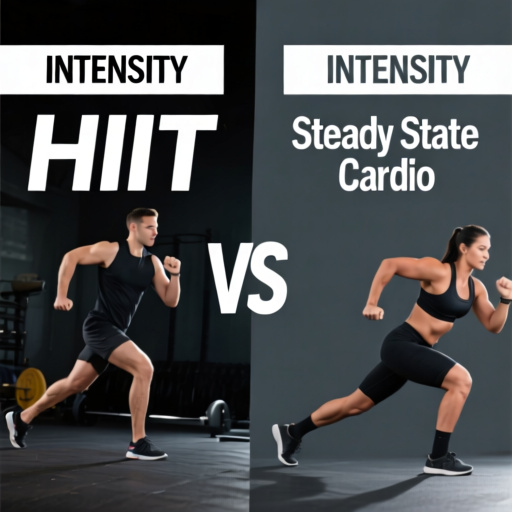
Aerobic exercise is widely recognized for its role in weight loss, but understanding the different approaches within aerobic activity can significantly impact results. Two popular methods are High-Intensity Interval Training (HIIT) and steady-state cardio. While both elevate the heart rate and burn calories, they differ considerably in their execution and physiological effects. Choosing the right method depends on individual fitness levels, time constraints, and personal preferences.
Steady-state cardio involves performing a continuous activity at a moderate intensity for an extended period. Examples include jogging, swimming, cycling, or using an elliptical machine for 30 minutes or more. During steady-state cardio, the body primarily relies on oxygen to produce energy. This type of exercise is generally easier on the joints and can be sustained by a broader range of fitness levels. It’s a foundational element of many fitness routines and effectively burns calories. A study published in the Journal of Obesity found that consistent steady-state cardio can contribute to significant fat loss when combined with a balanced diet.
HIIT, conversely, involves short bursts of intense exercise followed by brief recovery periods. For instance, a workout might consist of 30 seconds of sprinting followed by 30 seconds of walking, repeated for 20-30 minutes. The high-intensity intervals push the cardiovascular system to its limits, maximizing calorie expenditure both during and after the workout – a phenomenon known as the “afterburn effect” or excess post-exercise oxygen consumption (EPOC). This means the body continues to burn calories at an elevated rate for hours after the exercise is completed. A meta-analysis of studies in the Journal of Strength and Conditioning Research suggests HIIT can lead to comparable or even greater fat loss than traditional steady-state cardio, often in less time.
The metabolic differences between HIIT and steady-state cardio are key. During steady-state cardio, the body primarily uses fat as a fuel source, especially at lower intensities. HIIT, however, relies more heavily on carbohydrates for energy during the high-intensity bursts. However, the substantial EPOC associated with HIIT can lead to a greater overall caloric deficit over time, even when the total workout time is shorter.
Consider these factors when deciding between the two:
- Time Commitment: HIIT workouts are typically shorter, often ranging from 15 to 30 minutes, while steady-state cardio usually requires a longer duration.
- Fitness Level: HIIT is generally more demanding and may not be suitable for beginners or individuals with certain health conditions. Modifications can be made to reduce intensity and duration.
- Enjoyment: Personal preference plays a vital role in long-term adherence. If someone finds steady-state cardio more enjoyable, they are more likely to stick with it.
- Impact on Joints: Steady-state cardio, particularly activities like running, can place significant stress on joints. Low-impact options like swimming or cycling are valuable alternatives.
While both HIIT and steady-state cardio contribute to weight loss, HIIT offers a more time-efficient approach and a potentially greater metabolic advantage. However, steady-state cardio remains an excellent and accessible option, particularly for those new to exercise or seeking a lower-impact workout. The most effective strategy is often a combination of both, incorporating elements of each into a well-rounded fitness plan. It’s always advisable to consult with a healthcare professional before starting any new exercise program, especially if you have underlying health concerns.
Optimizing Your Aerobic Workouts for Maximum Fat Burning: Duration, Frequency, and Progression
Aerobic exercise, often referred to as cardio, plays a significant role in weight management. But simply putting in the time isn’t always the most effective path to fat loss. Optimizing your aerobic routine involves thoughtfully considering duration, frequency, and progression to maximize results. These elements work synergistically to challenge the body and promote efficient fat utilization.
Duration: Finding the Sweet Spot
The amount of time you spend engaged in aerobic activity is a key factor. Generally, aiming for at least 150 minutes of moderate-intensity or 75 minutes of vigorous-intensity aerobic exercise per week is recommended by health organizations like the Centers for Disease Control and Prevention (CDC). Moderate intensity means you can talk but not sing comfortably, while vigorous intensity results in heavy breathing and rapid heart rate.
However, the optimal duration for fat burning isn’t solely about hitting these minimums. Research suggests that longer, steady-state cardio sessions can be effective, but shorter, more intense bursts can also yield significant results. High-Intensity Interval Training (HIIT), for instance, involves short periods of intense exercise followed by brief recovery periods. Studies in the Journal of Obesity have shown that HIIT can be particularly efficient for fat loss, sometimes achieving similar results to longer, continuous cardio sessions in less time. A practical example is a busy professional who might find 30 minutes of HIIT three times a week more manageable and effective than an hour-long steady-state jog.
It’s important to listen to your body and start gradually. For beginners, starting with 20-30 minute sessions and increasing the duration by 5-10 minutes each week is a sensible approach. As fitness levels improve, durations can be extended, but avoiding overtraining is crucial to prevent injury and burnout.
Frequency: Consistency is Key
The frequency of your aerobic workouts also influences fat burning. Aiming for at least three to five sessions per week is a good starting point. Consistency is more important than sporadic, intense workouts. Regular aerobic activity helps to elevate your metabolic rate, meaning your body burns more calories even at rest.
Consider varying the type of aerobic exercise you engage in. This could include activities like brisk walking, running, cycling, swimming, or using an elliptical machine. Cross-training helps to prevent overuse injuries and engages different muscle groups, leading to a more well-rounded fitness profile. A real-world scenario involves someone who primarily runs incorporating swimming once a week. This reduces the impact on their joints while still providing a cardiovascular workout.
Rest days are equally important. Allowing your body time to recover between workouts is essential for muscle repair and preventing overtraining. Incorporating 1-2 rest days per week is a beneficial practice.
Progression: Challenging Your Body
To continue seeing results, it’s vital to gradually increase the challenge of your aerobic workouts. This principle, known as progressive overload, forces your body to adapt and become more efficient at burning fat. Progression can involve modifying several factors:
- Increasing Duration: Gradually adding time to your workouts.
- Increasing Intensity: Exercising at a faster pace or with greater resistance.
- Increasing Frequency: Adding an extra workout day to your week.
- Adding Variety: Incorporating new exercises or workout formats like incorporating hills into your runs or trying a new cycling route.
For example, someone consistently jogging at a moderate pace could progress by incorporating short bursts of faster running (speed intervals) or gradually increasing the incline on a treadmill. A freelance graphic designer, for instance, might initially walk for 30 minutes during lunch breaks and progressively increase the pace and duration over several weeks.
Progression should be gradual and sustainable. Avoid making drastic changes that could lead to injury. Paying attention to how your body feels is paramount. If you experience pain, it’s a sign to scale back and allow for more recovery.
By strategically adjusting duration, frequency, and progression, individuals can significantly enhance their aerobic workouts for optimal fat burning and overall weight loss success.
Common Mistakes to Avoid in Aerobic Exercise for Weight Loss and How to Fix Them

Aerobic exercise is a cornerstone of many weight loss strategies, yet many individuals inadvertently hinder their progress through common pitfalls. Understanding these mistakes and implementing corrective measures can significantly enhance the effectiveness of aerobic workouts.
One frequent error is overdoing it. While enthusiasm is commendable, excessive exercise can lead to burnout, injuries, and even hormonal imbalances that can impede weight loss. The body requires recovery time to repair muscle tissue and adjust to the stress of exercise. Pushing oneself too hard, especially in the initial stages, can backfire. For instance, someone new to running might start with 30-minute runs several times a week and gradually increase duration and intensity. However, attempting to run for an hour daily from the outset could lead to stress fractures or other musculoskeletal issues, ultimately causing one to stop exercising altogether.
To avoid this, a gradual approach is key. Begin with manageable durations and intensities, slowly increasing both over time. Listen to your body’s signals – pain is a clear indicator to stop. Incorporating rest days into your routine is just as crucial as the workout sessions themselves. A well-structured plan might involve alternating between moderate-intensity cardio and active recovery days like walking or yoga. Many fitness guidelines recommend aiming for at least 150 minutes of moderate-intensity or 75 minutes of vigorous-intensity aerobic activity per week.
Another common mistake lies in neglecting intensity. Simply going for a leisurely stroll might burn some calories, but it may not be as effective for significant weight loss as higher-intensity aerobic activities. While steady-state cardio has its benefits, incorporating interval training can boost calorie expenditure and improve cardiovascular fitness more efficiently. Interval training involves alternating between short bursts of high-intensity exercise and periods of lower-intensity recovery. For example, a person might alternate between sprinting for 30 seconds and jogging for 60 seconds, repeating this cycle for 20-30 minutes. This approach can elevate your heart rate more effectively and lead to greater calorie burn, even after the workout is complete – a phenomenon known as the “afterburn effect.”
Implementing interval training doesn’t necessitate access to specialized equipment; it can be adapted to various aerobic activities like running, cycling, or even brisk walking. The key is to consciously vary the intensity periods. A study published in the Journal of Obesity in 2023 indicated that high-intensity interval training (HIIT) can lead to comparable, and sometimes greater, fat loss compared to traditional steady-state cardio, even with shorter workout durations.
Focusing solely on the treadmill or elliptical can also limit the potential benefits of aerobic exercise. While these machines are convenient, incorporating a variety of activities can prevent boredom and work different muscle groups. Consider activities like swimming, cycling outdoors, dancing, or participating in group fitness classes. This variety not only makes exercise more enjoyable but also reduces the risk of overuse injuries associated with repetitive motions.
Furthermore, ignoring proper warm-up and cool-down routines is a frequent oversight. A proper warm-up prepares the body for exercise by gradually increasing heart rate and blood flow to muscles, reducing the risk of injury. A cool-down, conversely, helps the body gradually return to its resting state, preventing dizziness and muscle soreness. Both should typically last 5-10 minutes. Warm-ups might include light cardio and dynamic stretches, while cool-downs often involve static stretches.
Finally, many individuals fall into the trap of viewing aerobic exercise as a purely calorie-burning activity, overlooking its impact on metabolism. Regular aerobic activity can improve insulin sensitivity, which helps the body utilize carbohydrates more effectively and can aid in fat loss. It also contributes to overall cardiovascular health, supporting efficient nutrient transport and waste removal.
To effectively address these common mistakes, it’s beneficial to create a well-rounded aerobic exercise plan that incorporates gradual progression, varied intensity, diverse activities, and mindful warm-up and cool-down routines. Consulting with a healthcare professional or certified fitness trainer can provide personalized guidance tailored to individual needs and fitness levels.
Beyond Calories Burned: Integrating Aerobic Exercise with Diet and Lifestyle for Long-Term Weight Management
While the number of calories burned during aerobic exercise is a primary focus for many seeking weight loss, it represents only one piece of a much larger puzzle. Achieving and maintaining a healthy weight isn’t solely about energy expenditure; it’s an intricate interplay of physical activity, dietary choices, and sustainable lifestyle habits. Integrating aerobic exercise effectively within this broader framework is crucial for long-term success.
Aerobic exercise, often referred to as cardio, encompasses activities that elevate heart rate and breathing for a sustained period. Examples include brisk walking, jogging, swimming, cycling, and dancing. The benefits extend far beyond simply burning calories. Regular aerobic activity positively impacts cardiovascular health, improves mood, and can enhance sleep quality – all factors that indirectly support weight management. However, understanding how to strategically incorporate it alongside diet and lifestyle modifications is key to lasting results.
One significant aspect often overlooked is the impact of aerobic exercise on metabolism. While the immediate calorie burn is important, consistent aerobic activity can lead to adaptations in the body that can boost resting metabolic rate. This means the body becomes more efficient at using energy, even when at rest. Research suggests that regular endurance training can increase mitochondrial density in muscle cells, which are the powerhouses of the cell responsible for energy production. This enhanced mitochondrial function can contribute to a higher basal metabolic rate, making it easier to maintain a healthy weight over time.
However, focusing solely on the duration and intensity of aerobic exercise can be limiting. The principle of progressive overload applies here as well. Gradually increasing the duration, intensity, or frequency of aerobic workouts challenges the body, prompting further adaptations. This could involve adding short bursts of higher-intensity intervals to a regular jog, increasing the incline during walks, or extending the time spent cycling. This continuous challenge helps prevent the body from adapting and plateauing in its calorie expenditure.
Diet plays a foundational role in weight management, and aerobic exercise complements these efforts. While exercise can contribute to calorie deficit, a balanced and nutrient-rich diet provides the essential building blocks for overall health and supports the body’s energy needs. Combining regular aerobic activity with a healthy eating plan creates a synergistic effect, maximizing weight loss and promoting sustainable changes. For instance, engaging in regular workouts can increase awareness of food choices and potentially reduce cravings for unhealthy foods.
Beyond exercise and diet, a holistic lifestyle approach is essential. This includes factors like stress management, adequate sleep, and mindful eating. Chronic stress can elevate cortisol levels, which can contribute to increased appetite and fat storage. Sufficient sleep is crucial for hormonal regulation, including hormones that influence hunger and satiety. Practicing mindful eating – paying attention to hunger and fullness cues – can help prevent overeating.
Consider the experience of Sarah, a marketing professional who struggled with weight fluctuations. Initially, she focused solely on intense gym sessions, burning a significant number of calories. However, she found it difficult to sustain this regimen long-term and experienced plateaus. By integrating regular brisk walks into her daily routine, along with making gradual changes to her diet – incorporating more whole foods and reducing processed snacks – Sarah achieved more sustainable weight loss and improved her overall energy levels. This illustrates that a combined approach yields better and more enduring results than focusing on a single factor.
Different types of aerobic exercise offer varying benefits. Low-impact activities like swimming and walking are gentle on the joints, making them suitable for individuals with joint pain or injuries. Higher-impact activities like running and jumping can burn more calories in a shorter amount of time but may carry a higher risk of injury if not approached gradually. Finding activities that are enjoyable and sustainable is key to long-term adherence.
In conclusion, while the calories burned during aerobic exercise are a valuable metric, true weight management success hinges on a comprehensive strategy. Integrating aerobic activity effectively alongside a balanced diet and healthy lifestyle habits fosters sustainable changes that promote both short-term weight loss and long-term well-being. The focus shifts from simply burning calories to optimizing overall metabolic health and building a lifestyle that supports a healthy weight.
Frequently Asked Questions
- How does aerobic exercise aid in weight loss?
Aerobic exercise creates a calorie deficit by directly burning calories and increasing your resting metabolic rate, leading to greater energy expenditure.
- What is the role of hormones in aerobic exercise and weight management?
Exercise triggers the release of hormones like growth hormone and adrenaline, which help preserve muscle mass and break down fat stores for energy.
- Does aerobic exercise affect my metabolism?
Yes, regular aerobic exercise can increase your resting metabolic rate (RMR), meaning your body burns more calories at rest.


0 Comments