

Pilates Roller Workout: Reduce Muscle Tension & Improve Recovery
- Choosing the Right Pilates Roller: Types, Sizes & Materials
- Mastering Basic Pilates Roller Exercises for Muscle Relief
- Advanced Pilates Roller Techniques for Enhanced Flexibility and Mobility
- Preventing Injury and Maximizing Results: Pilates Roller Best Practices
Understanding Pilates Rollers: Benefits and Core Mechanics
Pilates rollers, also known as foam rollers or myofascial release tools, have become increasingly popular in fitness routines. These cylindrical devices offer a self-massage technique that can address muscle tightness, improve flexibility, and aid in recovery. Understanding how they work and their proper application is key to maximizing their benefits.
What are Pilates Rollers?
Pilates rollers are typically made of dense foam and come in various sizes and densities. The density of the foam influences the level of pressure applied during rolling. Softer rollers provide a gentler massage, ideal for beginners or those with sensitive muscles, while firmer rollers offer deeper tissue work. Larger rollers are often used for larger muscle groups like the back and legs, whereas smaller rollers are more suitable for targeted areas like the shoulders or calves.
Benefits of Using a Pilates Roller
The advantages of incorporating a Pilates roller into a workout regimen are numerous. One significant benefit is myofascial release. The fascia is a web of connective tissue that surrounds muscles and organs throughout the body. Tight fascia can restrict movement, cause pain, and limit range of motion. Rolling on a Pilates roller helps to release tension in the fascia, allowing for improved flexibility and mobility.
Beyond fascia release, these rollers can also provide benefits similar to a deep tissue massage. By applying pressure to specific muscle knots or trigger points, rollers can alleviate pain and discomfort. This is particularly helpful for individuals experiencing muscle soreness after exercise or those who spend long hours sitting. Studies have shown that self-myofascial release can lead to reduced muscle stiffness and improved athletic performance.
Furthermore, Pilates rollers can be used to warm up muscles before a workout, preparing them for activity. They can also be incorporated into cool-down routines to promote relaxation and reduce muscle soreness. The improved blood flow resulting from rolling can facilitate faster recovery. A freelance photographer, often dealing with stiffness from prolonged sitting, incorporated a daily rolling routine and reported a noticeable reduction in lower back pain and increased flexibility within a few weeks.
Core Mechanics of Rolling

To effectively utilize a Pilates roller and reap its benefits, understanding the correct technique is essential. The core mechanic involves slow, controlled movements. Avoid bouncing or rolling too quickly, as this can aggravate muscles and lead to injury. Instead, focus on maintaining steady pressure on the targeted muscle group for 30-60 seconds.
The key is to find tender spots or areas of tightness. When you encounter one, pause and hold the pressure. The sensation might be mildly uncomfortable, but it shouldn’t be excruciating. If it is, reduce the pressure or try a different area. Rolling should be a gradual and deliberate process, allowing the muscle fibers to release tension.
Here are some general guidelines for rolling different muscle groups:
- Calves: Lie flat with the roller under your calves, supporting your weight with your hands. Slowly roll from your ankles to your knees.
- Hamstrings: Sit with your legs extended and the roller under your hamstrings. Support yourself with your hands behind you and roll from your knees to your glutes.
- Quadriceps: Lie face down with the roller under your thighs. Support your body weight with your forearms and roll from your hips to your knees.
- Upper Back: Sit with the roller under your upper back, leaning slightly forward. Support your head with your hands and roll from your mid-back to your shoulders.
- Glutes: Sit on the roller with one leg crossed over the other. Lean to one side and roll over the gluteal muscles.
Important Considerations
While Pilates rollers offer numerous benefits, it’s important to use them correctly. Individuals with certain medical conditions, such as acute injuries or blood clots, should consult with a healthcare professional before using a roller. Avoid rolling directly over joints or bones. Listening to your body and stopping if you experience sharp pain is crucial. Consistent, gentle rolling is generally more effective than aggressive, infrequent sessions.
Choosing the Right Pilates Roller: Types, Sizes & Materials
The Pilates roller is a versatile tool utilized in Pilates workouts to enhance flexibility, improve muscle recovery, and address muscle tension. However, with a variety of options available, selecting the right roller can feel overwhelming. Understanding the different types, sizes, and materials is key to maximizing the benefits of this effective exercise aid.
Types of Pilates Rollers
Pilates rollers primarily come in two main types: smooth rollers and textured rollers. The distinction lies in their surface, which impacts the level of pressure and grip they offer.
Smooth Rollers: These rollers have a consistently smooth surface, typically made of foam. They provide a gentle massage and are ideal for those with sensitive muscles or individuals new to foam rolling. The smooth surface allows for a gliding motion, facilitating deeper tissue release without excessive friction. They are often preferred for general muscle relaxation and promoting blood flow.
Textured Rollers: Featuring a textured surface with bumps, ridges, or patterns, these rollers offer a more intense massage. The texture helps to target trigger points and can be beneficial for breaking up adhesions in the muscle tissue. This increased friction can be helpful for more experienced users seeking deeper muscle work. Many textured rollers feature a pattern designed to mimic finger strokes, maximizing the massage effect.
Beyond these primary types, some rollers incorporate additional features. For example, some models include a “wave” or “ribbed” design that provides targeted pressure. Choosing between smooth and textured often depends on individual preferences and the specific needs of the muscles being targeted.
Sizes of Pilates Rollers
Pilates rollers come in various lengths and diameters, each suited for different body parts and exercise types. The size of the roller significantly impacts the depth and intensity of the massage.
Short Rollers (12-18 inches): These compact rollers are excellent for targeting smaller muscle groups, such as the calves, thighs, and arms. Their portability makes them convenient for travel and use in smaller spaces. They are often favored for focused myofascial release on localized areas of tension.
Standard Rollers (18-36 inches): This is the most common size, offering versatility for rolling larger muscle groups like the hamstrings, quads, and back. The length allows for a more expansive rolling motion, facilitating a deeper release. These are a good starting point for most individuals.
Long Rollers (36-60 inches): These longer rollers are ideal for rolling larger muscle groups across the entire body, like the back and legs, providing a more comprehensive release. They are particularly beneficial for deep tissue work and improving overall flexibility. Long rollers can also be used to improve posture by targeting muscles along the spine.
Materials Used in Pilates Rollers
The materials used to construct a Pilates roller affect its density, durability, and overall feel. Common materials include:
Foam: Foam is the most common material used, offering a balance of comfort and support. The density of the foam can vary, with firmer foams providing more resistance. Different types of foam, such as EVA (ethylene-vinyl acetate) and high-density polyurethane foam, offer varying levels of durability and density.
Plastic: Plastic rollers are generally more rigid than foam rollers, providing a firmer massage. They are often favored by experienced users who prefer a more intense pressure. Plastic rollers can be more durable than foam, resisting wear and tear over time.
Cork: Cork rollers offer a unique, firm, and supportive rolling experience. Known for their natural antimicrobial properties, cork rollers can help prevent the buildup of bacteria. While firmer, cork can provide a comfortable and effective massage for many.
Considerations for Choosing a Roller
Several factors should guide a consumer’s choice. The user’s fitness level, specific needs, and personal preferences all play a role. A beginner might benefit from a smooth, standard-sized foam roller, while an experienced individual might prefer a textured, longer roller for deeper muscle work. Consider the areas of the body that need attention – a short roller is better for targeted areas, while a long roller is suitable for full-body routines. Finally, assessing sensitivity levels is essential. Those with very sensitive muscles may find a smooth roller more comfortable initially, gradually progressing to a textured roller as tolerance increases.
Experienced Pilates instructors often recommend starting with basic foam rollers and gradually exploring different types and sizes as their flexibility and muscle awareness improve.
Mastering Basic Pilates Roller Exercises for Muscle Relief
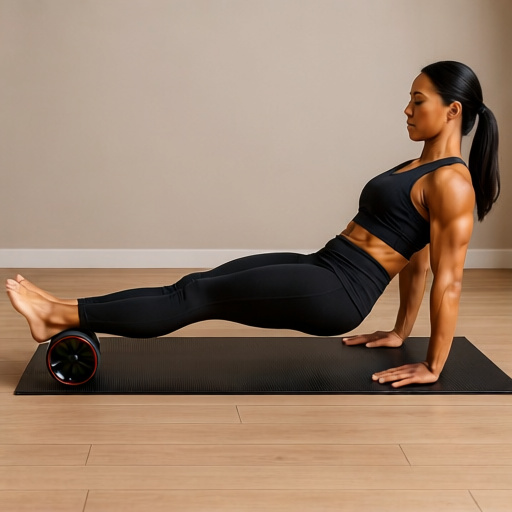
The Pilates roller, also known as a foam roller, has become a staple in fitness routines for its effectiveness in self-myofascial release. This practice, often shortened to foam rolling, helps to alleviate muscle soreness, improve flexibility, and enhance recovery. For individuals new to Pilates or those seeking accessible ways to address muscle tension, mastering basic roller exercises is a valuable skill.
One of the primary benefits of using a Pilates roller is its ability to target tight muscles. Many people experience stiffness and discomfort due to prolonged sitting, strenuous workouts, or everyday movements. The roller applies pressure to these areas, encouraging the fascia – the connective tissue surrounding muscles – to release tension. This process can reduce knots and improve blood flow, leading to a noticeable decrease in muscle soreness. A study published in the Journal of Strength and Conditioning Research found that foam rolling can lead to significant reductions in delayed onset muscle soreness (DOMS) after exercise.
Beginners should start with gentle pressure and gradually increase intensity as their body adapts. It’s crucial to listen to your body and avoid rolling directly over joints or bones. The goal isn’t to endure extreme pain, but rather to find areas of tenderness and apply sustained pressure for 20-30 seconds. Focusing on major muscle groups like the calves, hamstrings, quadriceps, and upper back provides a comprehensive approach to muscle relief.
Here are some fundamental Pilates roller exercises to get started:
- Calf Rollouts: Sit with your knees bent and feet flat on the floor. Place the roller under your calves. Using your hands for support, slowly roll forward, then backward, along the length of your calves.
- Hamstring Rollouts: Sit with your legs extended and the roller positioned under your hamstrings. Use your hands to propel yourself forward, rolling the roller up towards your glutes and back down.
- Quadriceps Release: Lie face down with the roller under your quadriceps. Support your body weight on your forearms and slowly roll from your hip to your knee.
- Upper Back Rollouts: Lie on your back with the roller positioned under your upper back. Support your head with your hands and gently roll the roller from your mid-back to your shoulders.
- Glute Release: Sit on the roller with one leg crossed over the other. Gently lean to one side, allowing the roller to massage the glute muscles.
Proper form is key to maximizing the benefits and preventing injury. Ensure your core is engaged during each exercise and avoid overextending or twisting your body. Consistency is also important; incorporating roller exercises into your routine several times a week can yield significant improvements in muscle health and recovery. Many fitness professionals recommend foam rolling both before and after workouts.
Consider the timing of your roller sessions. Performing a quick roll-out after a workout can help flush out metabolic byproducts and reduce muscle stiffness. Similarly, a brief roller session before exercise can improve range of motion and prepare muscles for activity. The choice depends on individual needs and preferences.
Furthermore, it’s worth noting that while foam rolling offers numerous benefits, it’s not a substitute for professional medical advice. Individuals with certain medical conditions, such as blood clots or varicose veins, should consult with a healthcare provider before incorporating foam rolling into their exercise regimen.
Building a Progressive Pilates Roller Routine for Targeted Muscle Recovery
The Pilates roller, also known as a foam roller, has become an indispensable tool for those seeking to improve flexibility, reduce muscle soreness, and enhance recovery. While static rolling is a common practice, a progressive routine offers a more effective approach for targeted muscle work and long-term benefits. This section outlines how to build a progressive Pilates roller routine focused on targeted muscle recovery.
Understanding Progressive Rolling
Progressive rolling involves gradually increasing the intensity and duration of your rolling sessions. This isn’t just about rolling harder; it’s about a thoughtful approach to applying pressure and time. Initially, the goal is to identify areas of tension and trigger points. As your body adapts, you can increase the pressure and hold points for longer durations to encourage deeper tissue release. This gradual approach minimizes the risk of discomfort and maximizes the effectiveness of the routine.
A Step-by-Step Routine
A progressive Pilates roller routine can be structured to address major muscle groups. Here’s a sample routine that can be adjusted based on individual needs and preferences. Start with shorter hold times and gradually increase them over several weeks.
Spine and Core: Begin by lying on your back with the roller positioned horizontally under your upper back. Gently roll from your shoulders down to your lower back, pausing on any tender spots. Aim for 30-60 seconds of rolling. Next, position the roller under your abdomen and gently roll, supporting your lower back. Hold on any tight areas for 15-30 seconds. This sequence helps release tension in the back muscles and core.
Quadriceps: Lie face down with the roller under your thighs. Support your upper body with your forearms. Slowly roll from your hips to your knees. If you find a particularly tight spot, pause and hold for 20-30 seconds. The quadriceps are often tight from sitting, so this targeted rolling can provide significant relief.
Hamstrings: Sit with your legs extended and the roller under your hamstrings. Use your hands to support yourself. Roll from your knees to your glutes. Similar to the quads, hold on any tight areas for 20-30 seconds. Tight hamstrings can contribute to lower back pain, making this step crucial for overall spinal health.
Glutes: Sit on the roller with one ankle crossed over the opposite knee. Gently roll over the gluteal muscles. You can shift your weight to find different areas of tension. Hold on any tender spots for 30-45 seconds. Gluteal tightness is common and can impact hip and lower back mechanics.
Calves: Sit on the floor with the roller positioned under your calves. Support your upper body and roll from your ankles to just below your knees. This helps release tension and improve flexibility in the calf muscles, which can be beneficial for ankle mobility and preventing injuries.
Incorporating Progression
The key to a progressive routine lies in the gradual increase of intensity and hold times. Here’s how to implement this:
- Duration: Start with 30-second rolls and gradually increase to 60 seconds or more as your tolerance improves.
- Pressure: Initially use gentle pressure. As muscles become more pliable, gradually increase the pressure. Caution: Avoid rolling directly over joints or bones.
- Hold Time: After initial rolling, hold on particularly tight spots for progressively longer durations (e.g., from 15 seconds to 60 seconds).
- Frequency: Begin with 2-3 sessions per week and increase as needed. Listen to your body and allow for rest days.
Additional Tips for Effective Recovery
Beyond the roller itself, several factors contribute to effective muscle recovery:
- Hydration: Adequate water intake supports muscle function and recovery.
- Nutrition: Consuming a balanced diet with sufficient protein aids in muscle repair.
- Stretching: Complement your roller routine with static or dynamic stretching to further enhance flexibility.
- Rest: Allow your muscles adequate time to recover between sessions.
By implementing a progressive Pilates roller routine and incorporating these additional tips, individuals can significantly reduce muscle tension and improve their overall recovery process. Remember to listen to your body and adjust the routine as needed. If you experience any sharp or severe pain, discontinue use and consult with a healthcare professional.
Advanced Pilates Roller Techniques for Enhanced Flexibility and Mobility
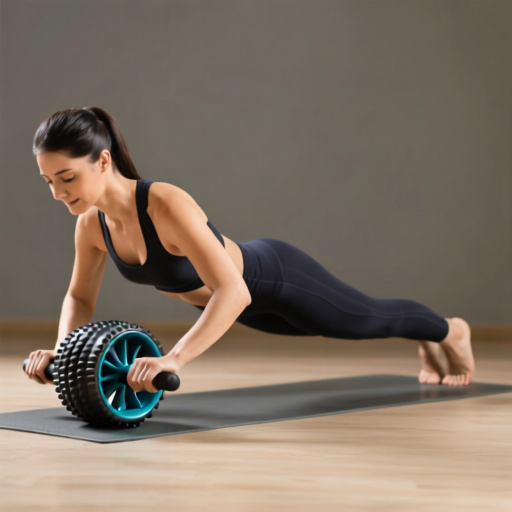
The Pilates roller, also known as a foam roller, is a versatile tool for self-myofascial release, a technique aimed at reducing muscle tension and improving flexibility. While basic rolling is beneficial, incorporating advanced techniques can elevate the benefits, targeting specific muscle groups and addressing more complex tightness. These advanced methods require a degree of body awareness and control, ensuring proper alignment to maximize effectiveness and prevent injury.
One effective advanced technique involves rolling with limited range of motion. Instead of rolling the entire length of a muscle, focus on areas of particularly dense knots or trigger points. Apply slow, controlled pressure and hold for a few seconds, allowing the muscle fibers to release. This targeted approach can be more effective than simply rolling back and forth. Consider applying this to the quadriceps, focusing on a tight spot near the hip flexor attachment.
Another valuable advancement is utilizing the roller for dynamic movements. Rather than static rolling, incorporate gentle pulses or small, controlled movements while rolling. For instance, when rolling the calves, try a slight flexing and extending of the foot. This encourages blood flow and a deeper release within the muscle tissue. These dynamic rolls can help prepare muscles for activity or aid in recovery after exercise.
For improved spinal mobility, explore rolling the upper and lower back with a focus on spinal articulation. Lie on your back with the roller positioned horizontally under your upper back, supporting the curve. Gently rock your body from side to side, allowing the roller to massage the muscles along the spine. Similarly, for the lower back, maintain a neutral spine and slowly roll up and down, avoiding excessive rotation. This technique can help alleviate stiffness and improve spinal flexibility.
Addressing tight hip flexors often requires more nuanced approaches. Beyond simple rolling, try the “figure-four” stretch with the roller. Lie on your side with the roller under your front hip. Cross your legs so your back leg is bent at the knee and rests on the floor. Gently roll back and forth, focusing on the front of the hip. This variation allows for a deeper stretch and release compared to a standard hip flexor roll.
Furthermore, integrating the roller with breathing enhances its benefits. Deep, slow inhales and exhales during rolling promote relaxation and allow for a deeper release of tension. Focus on expanding the rib cage during inhalation and allowing the breath to naturally flow out during exhalation. This mindful approach amplifies the muscle-relaxing effects of the roller.
It’s important to note that advanced roller techniques may not be suitable for everyone. Individuals with certain medical conditions, such as acute injuries, open wounds, or osteoporosis, should consult with a healthcare professional before attempting these exercises. Listen to your body and stop if you experience any sharp pain. Consistent, mindful practice of these advanced Pilates roller techniques can significantly contribute to enhanced flexibility, improved mobility, and faster recovery.
Pilates Roller Workout for Specific Muscle Groups: A Focused Approach
The Pilates roller, also known as a foam roller, has become an indispensable tool in the fitness world. Its versatility extends far beyond general muscle recovery. By strategically targeting specific muscle groups, individuals can enhance their Pilates practice, alleviate tension, and improve overall mobility. This section delves into focused Pilates roller workouts designed to address common areas of tightness and promote better performance.
Lower Back Relief & Spinal Mobility
Many individuals experience lower back pain due to prolonged sitting, poor posture, or intense workouts. The Pilates roller offers a gentle yet effective way to address this.
How to: Lie on the floor with the roller positioned horizontally under your lower back. Support your head with your hands. Slowly roll forward, gradually moving the roller up to your tailbone. Pause at any tender spots and gently hold for 20-30 seconds. To roll back, slowly reverse the motion.
Benefits: This exercise helps to release tension in the spinal erectors and pelvic floor muscles. It also promotes spinal mobility, which is crucial for many Pilates exercises. The rolling action can improve blood flow, aiding in muscle recovery and reducing inflammation.
Hamstring Flexibility & Injury Prevention
Tight hamstrings are a common issue for many, hindering flexibility and potentially contributing to lower back pain. Incorporating the roller into a routine can significantly improve hamstring length.
How to: Sit with your legs extended in front of you, placing the Pilates roller underneath your hamstrings, just above your knees. Use your hands for support. Slowly roll the roller from your knees towards your hips. Pause on any tight spots and maintain the stretch for 20-30 seconds.
Benefits: Regular hamstring rolling can increase flexibility, improve range of motion, and reduce the risk of hamstring strains. This is particularly beneficial for Pilates exercises like the rolling wave. Consistency is key; aim for a couple of minutes of rolling per session.
Hip Flexor Release
Hip flexors, the muscles at the front of your hips, often become tight from sitting for extended periods. Tight hip flexors can pull the pelvis forward, contributing to lower back pain and poor posture.
How to: Start in a kneeling position, with the Pilates roller positioned under one hip flexor. Slowly roll forward, feeling the stretch. Maintain a neutral spine. Hold for 20-30 seconds, then repeat on the other side.
Benefits: Rolling the hip flexors helps to release tension and restore proper hip alignment. This can improve posture, reduce lower back pain, and enhance the effectiveness of exercises like the hip lift in Pilates.
Quadriceps & IT Band Release
Tight quadriceps and the iliotibial (IT) band can restrict movement in the hips and knees. Rolling these areas can improve flexibility and reduce discomfort.
How to (Quadriceps): Lie face down with the roller under your quadriceps. Support your body weight with your forearms. Slowly roll from your hip to your knee.
How to (IT Band): Lie on your side with the roller under your outer thigh. Slowly roll down towards your ankle. This can be a sensitive area, so start gently.
Benefits: Releasing the quadriceps and IT band can improve knee mobility and reduce pain associated with conditions like runner’s knee. It’s important to listen to your body and avoid excessive pressure on the IT band.
Calves & Ankles
Tight calf muscles can impact ankle flexibility and overall lower leg health.
How to: Sit on the floor with legs extended. Place the Pilates roller under your calves. Gently roll from your knees to your ankles.
Benefits: This helps improve ankle dorsiflexion (the ability to lift your foot upwards). Improved ankle mobility is essential for many Pilates footwork exercises.
Integrating a targeted Pilates roller routine can significantly enhance your practice and contribute to overall well-being. Remember to consult with a healthcare professional before starting any new exercise program. Focusing on these specific muscle groups provides a focused approach to recovery and improved mobility, complementing the core principles of Pilates.
Preventing Injury and Maximizing Results: Pilates Roller Best Practices
Proper utilization of a Pilates roller is pivotal for both injury prevention and achieving optimal results. While the roller provides valuable benefits, incorrect technique and overuse can lead to discomfort or even injury. Understanding and implementing best practices ensures a safe and effective workout.
Pre-Roller Considerations
Before commencing any roller routine, a brief warm-up is essential. This prepares the muscles and connective tissues for release. Light cardio, such as arm circles or leg swings, can be beneficial. Additionally, checking for any existing injuries or pain is crucial. Avoid rolling over areas with acute inflammation or open wounds. If experiencing pain, stop immediately and consult a healthcare professional.
Controlled Movements are Key
The focus during roller exercises should always be on controlled, slow movements. Rushing through the motions reduces the effectiveness of the technique and increases the risk of injury. Maintain consistent breath throughout each exercise. Exhale as you apply pressure and inhale as you release. This coordinated breathing pattern enhances muscle relaxation and promotes deeper tissue release. It’s not about how far you roll, but rather the mindful control applied during the movement.
Body Alignment Matters
Maintaining proper body alignment is paramount. Ensure your core is engaged to stabilize your spine. Avoid arching or overextending your back. Distribute weight evenly across the roller. If you are struggling to maintain balance, consider performing exercises with both feet on the floor, gradually progressing to single-leg variations as strength and stability improve. Observe your form in a mirror to identify and correct any postural imbalances.
Targeting Specific Muscle Groups
The Pilates roller can effectively target various muscle groups. For instance, rolling the calves helps to release tension and improve flexibility. Rolling the upper back can alleviate stiffness and improve posture. Similarly, using the roller on the hamstrings can reduce tightness and enhance range of motion. Each muscle group has specific rolling techniques, and it’s beneficial to research and understand the proper method for each. Consistent, targeted rolling can contribute significantly to overall muscle health and recovery.
Duration and Frequency
The duration of each rolling session should typically range from 30 to 60 seconds per muscle group. Avoid prolonged rolling, as this can lead to over-stretching and potential injury. Frequency depends on individual needs and fitness levels. Many individuals find benefit from rolling 2-3 times per week. Listen to your body and adjust the frequency and duration as needed. If you experience persistent pain or discomfort, reduce the intensity or frequency of your sessions.
Progression and Modifications
As flexibility and tolerance increase, you can gradually progress the intensity of your roller work. This can involve increasing the duration of rolling, exploring more challenging positions, or using different roller textures. Conversely, modifications are essential for individuals with limitations or injuries. For example, someone with lower back pain might avoid rolling directly on the lumbar spine and instead focus on surrounding muscle groups. Consulting with a qualified Pilates instructor can provide personalized guidance on progressions and modifications.
Post-Roller Care
Following a Pilates roller workout, allow your muscles time to recover. Gentle stretching can help maintain flexibility and prevent stiffness. Adequate hydration is also important for muscle recovery and overall well-being. Avoid strenuous activity immediately after rolling. Prioritizing rest and recovery is crucial for maximizing the benefits of the Pilates roller and minimizing the risk of injury.

0 Comments