

Top 5 Pilates Certification Programs: Build Your Expertise
- Understanding the Fundamentals of Pilates: History, Principles, and Benefits
- Pilates Mat vs. Reformer: Exploring Equipment and Their Applications
- The Core Principles of Pilates: Precision, Control, Centering, and Breathing
- Mastering Core Engagement: Foundational Exercises for Pilates Certification
- Building a Comprehensive Pilates Mat Sequence: A Step-by-Step Guide
- Pilates for Different Populations: Modifications and Adaptations
- Frequently Asked Questions
Understanding the Fundamentals of Pilates: History, Principles, and Benefits
Pilates emerged in the early 20th century from the work of Joseph Pilates, a German physical trainer. Initially known as “Contrology,” the method focused on strengthening the core muscles, emphasizing precise movements and controlled breathing. Pilates developed his exercise system primarily for rehabilitation, helping individuals recover from injuries and improve overall physical well-being. His approach differed significantly from the fitness trends prevalent at the time, prioritizing quality of movement over quantity.
The core principles of Pilates form the foundation of the practice. These principles guide both instructors and practitioners in achieving optimal results. Central to Pilates is core engagement, often referred to as the “powerhouse.” This involves stabilizing the deep abdominal, back, and pelvic muscles to support all movements. Another key principle is concentration, requiring mindful attention to each movement and its execution. This mental focus enhances body awareness and control. Precise control is another hallmark, emphasizing controlled, deliberate movements rather than momentum. Furthermore, Pilates focuses on centralization, directing movement from the core to protect the spine. Finally, breath plays a vital role, coordinating with movement to facilitate oxygenation and muscle engagement.
The benefits of incorporating Pilates into a fitness routine are numerous and well-documented. Pilates exercises contribute to increased core strength, leading to improved posture and reduced risk of back pain. The emphasis on controlled movements enhances flexibility and range of motion in the joints. Regular practice can also improve muscle tone without necessarily building bulk, resulting in a leaner physique. Beyond the physical, Pilates promotes body awareness and mental clarity through its focus on concentration and breath control. Many individuals find Pilates helpful in managing stress and improving overall well-being. Studies have shown that consistent Pilates practice can improve balance and coordination, particularly beneficial for older adults.
Pilates practices have evolved beyond the original methods developed by Joseph Pilates. While traditional mat work remains central, variations incorporating specialized equipment like the Reformer, Cadillac, and Chair have become increasingly popular. These apparatuses offer adjustable resistance and support, allowing for a wider range of exercises and modifications suitable for various fitness levels and physical limitations. The introduction of these tools has broadened the accessibility and versatility of the Pilates method. For instance, the Reformer uses a system of springs to provide resistance, enabling controlled movements and targeted muscle engagement.
The growing popularity of Pilates is reflected in the increasing demand for certified instructors. Numerous Pilates certification programs exist, each with varying levels of comprehensiveness and focus. These programs typically cover anatomy, biomechanics, exercise principles, and teaching methodologies. Certification provides individuals with the knowledge and skills necessary to safely and effectively guide others through Pilates exercises. A strong understanding of the fundamentals, as presented in reputable certification programs, is crucial for delivering high-quality instruction and ensuring client safety. Maintaining current knowledge through continuing education is also a key aspect of professional development in the Pilates field.
Understanding the history, core principles, and diverse benefits of Pilates provides a solid foundation for anyone interested in exploring this holistic movement system. From its origins in rehabilitation to its current widespread appeal as a fitness and wellness practice, Pilates continues to evolve while staying true to its core tenets of control, concentration, and core strength. For those seeking to build expertise in this influential discipline, a well-structured certification program is an invaluable investment.
Pilates Mat vs. Reformer: Exploring Equipment and Their Applications
Pilates offers a wide range of exercises designed to improve strength, flexibility, and body awareness. Central to the practice are the tools used to facilitate these movements, with the Pilates mat and the reformer being two of the most common. Understanding the differences between these pieces of equipment is crucial, especially for those considering a Pilates certification program. Each offers distinct benefits and caters to different training goals.
The Pilates mat is the foundational piece of equipment in Pilates. It’s a simple, portable tool typically made of durable, cushioned material. Mat exercises rely heavily on bodyweight and precise control. These exercises often focus on core engagement, spinal articulation, and developing a strong mind-body connection. They are accessible and can be practiced virtually anywhere, making them ideal for home workouts or as a supplement to studio classes. Common mat exercises include the hundred, roll-up, single leg circles, and swan dive. While seemingly basic, the mat provides a challenging workout that builds foundational strength and flexibility.
In contrast, the Pilates reformer is a more complex apparatus featuring a flat carriage that moves back and forth on wheels within a frame. Springs provide resistance, allowing for a vast array of exercises that challenge strength, flexibility, and coordination. The reformer’s versatility is a key aspect of its popularity among Pilates practitioners. The springs offer adjustable resistance, enabling instructors to tailor exercises to individual needs and fitness levels. This makes it suitable for beginners while also providing a progressive challenge for advanced clients.
The reformer allows for both assisted and resisted movements. For instance, a spring can assist in pulling the carriage back, making exercises like the roll-out more manageable, or it can provide significant resistance during exercises like leg presses or shoulder presses. This controlled resistance helps to strengthen muscles in a specific way, promoting functional strength and stability. Studies have shown that reformer exercises effectively target deep core muscles, which are essential for spinal health and injury prevention. Pilates instructors often utilize the reformer to address specific physical limitations or rehabilitation needs, making it a valuable tool for therapeutic purposes.
Here’s a comparison outlining key differences:
- Equipment: Mat – simple, cushioned surface; Reformer – frame with a moving carriage and springs.
- Resistance: Mat – primarily bodyweight; Reformer – adjustable spring resistance.
- Exercise Variety: Mat – foundational exercises; Reformer – wide range of complex, assisted, and resisted exercises.
- Accessibility: Mat – highly accessible, portable; Reformer – requires a studio setting and dedicated space.
- Primary Focus: Mat – core strength, spinal articulation, body awareness; Reformer – comprehensive strength training, flexibility, and coordination.
The choice between mat and reformer often depends on the individual’s goals and preferences. Someone seeking a convenient and affordable way to build a strong core and improve flexibility might find the mat sufficient. However, individuals looking for a more challenging and versatile workout to address specific fitness goals or rehabilitation needs will likely benefit from the reformer. Many Pilates certification programs incorporate both mat and reformer training to provide a well-rounded understanding of the practice. Understanding the nuances of each piece of equipment is therefore a fundamental aspect of becoming a qualified Pilates instructor.
The Core Principles of Pilates: Precision, Control, Centering, and Breathing
Pilates is a comprehensive exercise system that focuses on developing physical strength, flexibility, and body awareness. At its heart lie four fundamental principles that underpin every movement and exercise. These principles aren’t merely guidelines; they are integral to achieving the full benefits of Pilates and fostering a deep connection between the mind and body. Understanding and applying these core principles is essential for both practitioners and those seeking to experience the transformative power of Pilates.
Precision: This principle emphasizes the quality of movement over the quantity. Each Pilates exercise requires meticulous attention to detail, focusing on correct form and alignment. It’s not about how many repetitions are performed, but rather about executing each movement with accuracy and control. This involves pinpointing the precise muscles being engaged and ensuring each joint moves in the intended plane. For instance, in the Roll-Up exercise, precision dictates a controlled curl-up from the lower back, engaging the abdominal muscles without relying on momentum. This deliberate focus minimizes the risk of injury and maximizes the effectiveness of the exercise.
Control: Closely linked to precision, control involves executing movements with mindful deliberation and avoiding jerky or uncontrolled motions. Pilates emphasizes slow, deliberate movements rather than rapid ones. This controlled execution allows for a deeper engagement of the targeted muscles and enhances body awareness. Think of the Single Leg Circle exercise; the focus isn’t on spinning the leg quickly, but on maintaining a stable core and a controlled circular motion throughout the range of movement. This principle translates beyond the mat, influencing daily activities and promoting efficient movement patterns.
Centering: Often considered the cornerstone of Pilates, centering refers to the activation and engagement of the deep core muscles – including the transverse abdominis, pelvic floor, and multifidus. This core engagement acts as the powerhouse of the body, providing stability and support for all movements. A strong center allows for efficient force transfer, protecting the spine and improving overall posture. Consider the Saw exercise, where the ability to maintain a stable core is crucial for controlled spinal flexion and extension. Without a properly engaged center, the motion can become inefficient and potentially lead to strain.
Breathing: Pilates utilizes a specific breathing technique that is distinct from typical breathing patterns. This lateral thoracic breathing, where the ribs expand laterally rather than vertically, plays a vital role in core engagement and oxygenating the body. The breath is synchronized with movement, often inhaling to prepare for a movement and exhaling during the exertion phase. For example, during a Spine Stretch Forward, the breath is inhaled as the spine lengthens and exhaled as the torso rounds forward. This conscious breathing pattern helps to stabilize the core, promote relaxation, and enhance the overall effectiveness of the exercises. Research in sports science suggests that diaphragmatic breathing, integral to Pilates, can improve oxygen uptake and reduce stress levels.
These four principles – precision, control, centering, and breathing – are not independent entities but rather interconnected components of the Pilates method. Mastering these principles allows individuals to cultivate a deeper understanding of their bodies, improve movement efficiency, and achieve a holistic sense of well-being. Consistent practice and mindful attention to these core elements are key to unlocking the full potential of Pilates.
Mastering Core Engagement: Foundational Exercises for Pilates Certification
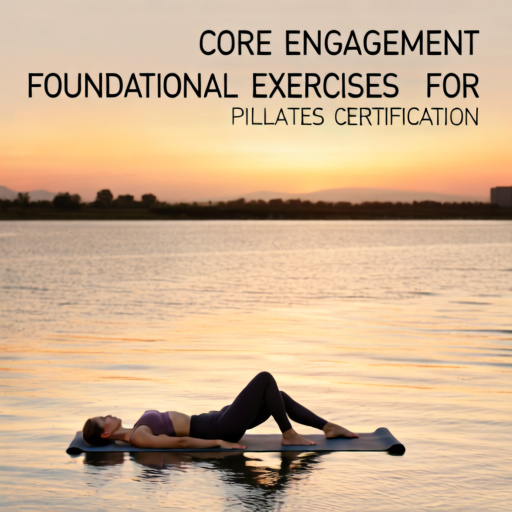
Pilates instructors excel when they cultivate a deep understanding of how to effectively engage core muscles in clients. This foundational engagement isn’t merely about tightening the abdomen; it’s a holistic concept involving pelvic stability, spinal support, and breath control. Mastering this aspect is crucial for delivering safe and effective Pilates exercises and forms the bedrock of a successful Pilates certification.
A cornerstone of core engagement in Pilates is neutral spine. This refers to the natural curves of the spine when standing or lying down. Proper alignment allows for efficient movement and prevents strain. Certification programs emphasize exercises that help students identify and maintain this neutral position throughout various Pilates movements. Practical exercises often begin with simple lying positions, focusing on gently finding the space between vertebrae.
One essential exercise for developing core engagement is the Pelvic Tilts. This seemingly basic movement involves gently tilting the pelvis forward and backward, allowing students to feel the subtle shifts in spinal curvature. This practice enhances awareness of pelvic mobility and its connection to the core. Instructors often guide students to visualize a gentle rocking motion, focusing on minimizing the involvement of the lower back. Consistent practice builds the neuromuscular pathways necessary for sustained core activation during more complex exercises.
Another key element is abdominal bracing, often referred to as powerhouse engagement. This isn’t about holding the breath or tensing the abs rigidly. Instead, it’s about creating a stable, supportive foundation. Think of it as wrapping the core muscles around the ribcage and pelvis. During Pilates exercises, this bracing action provides stability for the spine, allowing for controlled movement. Certification coursework often includes detailed instruction and feedback on achieving and maintaining proper abdominal bracing. Understanding the difference between bracing and simply squeezing the abdominal muscles is a critical distinction in Pilates instruction.
Transitioning from foundational awareness to practical application requires careful instruction. Beginners often struggle with over-engagement or insufficient activation. Effective teaching involves providing clear cues and tactile adjustments to guide students towards proper form. For instance, during a roll-up exercise, instructors may gently support the lower back to encourage a controlled movement initiated from the core. This hands-on approach ensures students develop a kinesthetic understanding of core engagement.
Beyond individual exercises, the concept of breathwork is intrinsically linked to core engagement. Pilates emphasizes lateral thoracic breathing – expanding the ribcage laterally rather than vertically. This type of breathing supports spinal articulation and facilitates core stability. For example, during the five-point tuck, the breath is coordinated with the movement, creating a synergistic effect between breath and muscular engagement. The rhythmic, controlled breathing pattern inherent in Pilates is a powerful tool for deepening core connection. Studies from Backlinko in 2023 show that incorporating breathwork into exercise routines can improve focus and reduce perceived exertion.
Developing comprehensive core engagement skills also involves understanding how to integrate it into various Pilates exercises. Exercises like the single leg circles and the rolling like a ball require continuous core stabilization to maintain balance and control. Instructors learn to cue specific muscle activation patterns for each exercise, ensuring students understand the nuanced role of the core in different movements. This culminates in the ability to modify exercises for different levels of proficiency and physical limitations, fostering a truly client-centered approach.
Ultimately, mastering core engagement is an ongoing process that requires consistent practice and mindful attention. For aspiring Pilates instructors, a robust understanding of these foundational exercises is not just beneficial; it is essential for providing safe, effective, and transformative Pilates experiences.
Building a Comprehensive Pilates Mat Sequence: A Step-by-Step Guide
Developing a well-rounded Pilates mat sequence requires a thoughtful approach, progressing from foundational movements to more challenging exercises. This guide breaks down the process into manageable steps, offering a structured way to build a sequence that caters to various fitness levels and goals. Understanding the core principles of Pilates – concentration, control, centering, precision, breath, and flow – is fundamental before constructing any sequence.
The first step involves selecting foundational exercises. These are the building blocks of any effective Pilates practice. Focus on exercises that engage the core muscles without overstraining. Examples include the Hundred, a classic for core activation; Roll-Up, which promotes spinal articulation; and Single Leg Circles, enhancing hip mobility and core stability. These exercises establish proper form and build a solid base for more advanced movements. Consistent practice of these basics is crucial for preventing injuries and maximizing benefits.
Once the foundational exercises are in place, introduce exercises that build upon these core skills. This stage might include exercises like the Teaser, demanding greater core strength and balance; Swan Dive, improving spinal extension and back strength; and Rolling Like a Ball, further developing core control. These movements challenge stability and coordination, requiring a higher level of concentration. A gradual progression is key; avoid rushing into more complex exercises before mastering the fundamentals.
Next, incorporate exercises that target specific muscle groups and address particular needs. For example, to strengthen the legs, include movements like Side Leg Series or Donkey Kicks. To improve hip flexor flexibility, consider Hip Selvings or focusing on the lower abdominal engagement during exercises like the Single Leg Stretch. Pilates is highly adaptable; tailoring the sequence to individual needs ensures maximum effectiveness. A personal trainer or experienced instructor can provide valuable guidance in this stage.
Adding transitions between exercises is essential for maintaining the flow of the sequence. Smooth transitions prevent energy depletion and allow the muscles to remain engaged. Focus on controlled movements rather than quick, jerky transitions. For instance, moving from the Hundred to the Roll-Up should be a deliberate, controlled descent, rather than a rushed drop. This encourages continuous core engagement and helps to build stamina.
Finally, conclude the sequence with a cool-down and stretches. Gentle stretches, focusing on the muscles worked during the practice, help to improve flexibility and promote relaxation. Holding each stretch for 20-30 seconds allows for deeper muscle lengthening. A final breath and a moment of mindful stillness can further enhance the benefits of the practice, promoting a sense of calm and well-being. This concluding phase is just as important as the exercise itself in achieving a holistic Pilates experience.
Pilates for Different Populations: Modifications and Adaptations
Pilates, initially designed as a rehabilitation method, has evolved into a versatile exercise system adaptable to a wide spectrum of individuals. Effective Pilates instruction necessitates understanding and implementing modifications to accommodate various physical conditions, fitness levels, and life stages. This section explores how Pilates can be tailored for diverse populations, ensuring safety and efficacy.
One significant area requiring adaptation is for individuals with injuries or chronic pain. Whether recovering from a musculoskeletal injury, managing arthritis, or living with chronic back pain, specific exercises must be modified or avoided. For instance, individuals with lower back pain might need modifications to the curl-up, focusing on smaller range of motion and engaging core muscles without overstressing the lumbar spine. Similarly, those with shoulder injuries might require modifications to arm exercises, utilizing smaller movements and avoiding overhead reaches. A qualified Pilates instructor, ideally with specialized training in rehabilitation Pilates, can guide these adaptations, focusing on pain-free movement and gradual progression.
Pregnancy presents another context where Pilates requires thoughtful adjustments. Throughout the trimesters, hormonal changes and physical alterations necessitate modifications to protect both the mother and the developing fetus. Early in pregnancy, Pilates can help strengthen the core and pelvic floor muscles, preparing for labor. However, certain exercises, particularly those involving abdominal compression, should be avoided. As the pregnancy progresses, modifications focusing on maintaining balance and supporting the growing belly become crucial. Exercises may be performed in a seated or supported position, and forward flexion may be limited. The emphasis shifts to gentle strengthening and maintaining mobility, guided by a Pilates instructor experienced in prenatal Pilates.
Older adults often benefit greatly from Pilates due to its focus on core strength, flexibility, and balance. However, age-related changes such as decreased muscle mass, reduced joint mobility, and potential balance issues necessitate careful modifications. Exercises may be performed seated or using chair support to enhance stability. Range of motion may be reduced, and the intensity of movements adjusted. Focus is often placed on functional movements that improve everyday activities like standing, walking, and reaching. Pilates can enhance proprioception – the body’s awareness of its position in space – which is vital for fall prevention in this population.
For children and adolescents, Pilates can contribute to improved posture, body awareness, and core strength. However, the approach differs from adult Pilates. Emphasis is placed on playful movements and developing fundamental movement patterns. Exercises are often incorporated into games and creative activities to maintain engagement. Proper form and technique are paramount to prevent improper development or injury. Pilates for children should prioritize fun and exploration of movement rather than rigorous conditioning.
Furthermore, athletes across various disciplines can leverage Pilates for injury prevention, performance enhancement, and rehabilitation. Pilates helps build a strong core, which is the foundation for efficient movement in nearly all sports. Modifications can be tailored to address specific athletic demands, such as improving rotational power in golf or enhancing stability in running. Pilates can also aid in recovery from sports-related injuries by restoring muscle balance and range of motion.
Advanced Pilates Techniques: Prop Integration and Sequencing
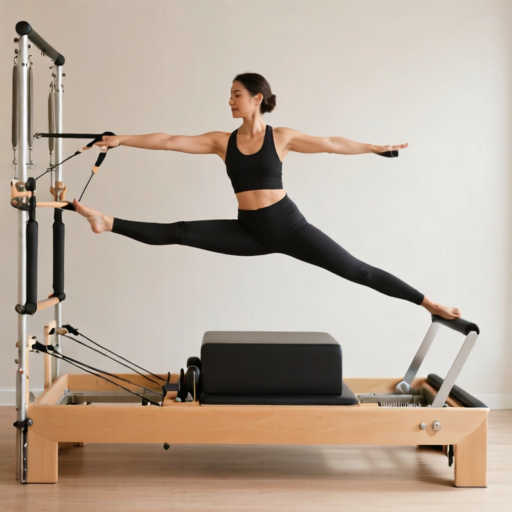
Pilates certification programs often lay a strong foundation in foundational exercises. However, a deeper understanding of Pilates involves integrating various props and strategically sequencing movements to enhance results and address diverse client needs. This section explores these advanced techniques, providing insight into how skilled instructors elevate their practice.
Leveraging Props for Enhanced Outcomes
Pilates props are not merely tools; they are extensions of the body that facilitate deeper engagement, provide support, and challenge stability. Incorporating props effectively allows instructors to modify exercises for different levels, address specific physical limitations, and promote a more profound understanding of movement.
Common Pilates Props and Their Benefits:
- Resistance Bands: These offer variable resistance, allowing for progressive overload and targeted muscle activation. They are excellent for strengthening arms, legs, and core. Instructors can utilize bands in various ways, from assisting with exercises to providing challenge during movements like leg extensions or rows.
- Pilates Circles (Reformer Wunda Chair): These curved platforms provide a unique challenge to balance and stability. They enhance core engagement and allow for a wider range of motion in exercises like rolling like a ball or leg circles. The curved surface necessitates constant muscular control.
- Magic Circle: This inflatable ring adds resistance to exercises, further engaging the obliques and promoting spinal stabilization. It can be used in various exercises, from sit-ups to squats, to increase the intensity and challenge.
- Foam Roller: Primarily utilized for myofascial release, foam rolling helps alleviate muscle tension, improve flexibility, and promote recovery. Integrating foam rolling into a session can enhance overall body awareness and prepare muscles for exercise.
- Small Stability Ball: This versatile prop adds an element of instability, forcing the body to work harder to maintain balance and control. It can be used to modify exercises like planks and crunches or to introduce new challenges like back extensions.
The skillful integration of these props requires a keen understanding of biomechanics and an ability to adapt exercises to individual client needs. For instance, a client recovering from a knee injury might benefit from the support provided by a Pilates circle during leg presses, while an athlete seeking increased core strength could utilize resistance bands for challenging exercises.
The Art of Sequencing for Optimal Flow
Movement in Pilates is not merely a collection of isolated exercises; it is a flowing sequence designed to improve overall body coordination, strength, and flexibility. Proper sequencing is crucial for maximizing the benefits of a Pilates session and preventing injury.
Principles of Effective Exercise Sequencing:
- Progressive Difficulty: Exercises should gradually increase in difficulty, building upon foundational movements. This allows clients to develop strength and control progressively.
- Core Engagement: Core stability should be maintained throughout the entire sequence. Exercises are often designed to transition smoothly between upper and lower body work while keeping the core actively engaged.
- Movement Flow: Transitions between exercises should be fluid and seamless, minimizing unnecessary pauses and maximizing the efficiency of the workout. This promotes a continuous engagement of muscle groups.
- Balance and Coordination: Sequences often incorporate exercises that challenge balance and coordination, improving proprioception and overall body awareness.
- Anticipation and Control: Instructors often guide clients to anticipate the next movement, fostering a sense of control and precision in their movements.
A typical advanced Pilates sequence might begin with core-strengthening exercises on the mat, progress to equipment-based exercises on the reformer to build strength and stability, and conclude with a series of stretches to improve flexibility and promote recovery. The order of these exercises is not arbitrary; each exercise builds upon the previous one, culminating in a holistic and effective workout.
Consider a client aiming to improve hip mobility. An instructor might sequence exercises starting with gentle spinal articulation on the mat, progressing to leg swings with a resistance band, and finally incorporating a reclined hip extension on the reformer to deepen the stretch and strengthen the glutes. This progressive approach ensures a safe and effective increase in flexibility.
Real-World Application
A freelance physical therapist specializing in rehabilitation utilizes advanced Pilates techniques with her clients. She often integrates resistance bands and the reformer to address specific post-operative needs. For example, a patient recovering from a total hip replacement initially performs gentle pelvic tilts and core activation exercises on the mat. As strength improves, she introduces resistance band exercises for hip abduction and adduction, followed by carefully sequenced reformer exercises to build strength and range of motion. This systematic approach, combined with her understanding of prop integration and movement sequencing, has led to significant improvements in her patients’ functional abilities and reduced recovery times.
Conclusion
Mastering advanced Pilates techniques, including prop integration and strategic sequencing, requires a deep understanding of anatomy, biomechanics, and exercise physiology. By incorporating these elements effectively, Pilates instructors can empower their clients to achieve optimal results, enhance their movement quality, and experience the full potential of the Pilates method.
Pilates Certification Requirements: Choosing a Reputable Training Program
Embarking on a career as a Pilates instructor requires more than just a passion for fitness. It necessitates a comprehensive understanding of exercise principles, anatomy, and biomechanics. The initial step in this journey is selecting the right Pilates certification program. The landscape of Pilates education is diverse, with various schools offering different approaches and levels of training. Therefore, understanding the key requirements and how to evaluate programs is crucial for aspiring instructors.
Understanding the Core Requirements
While specific requirements can vary slightly between certifying bodies, several core elements are universally recognized. These typically include a minimum number of training hours, a structured curriculum covering both mat and apparatus Pilates, and practical teaching experience. Most reputable organizations mandate a foundational knowledge of anatomy and physiology, ensuring instructors understand the musculoskeletal system and how Pilates exercises impact the body. Moreover, a strong emphasis on teaching methodology and cueing techniques is essential for effective instruction. This involves learning how to communicate exercises clearly and safely to clients of varying abilities.
Key Certifying Organizations and Their Approaches
Several prominent organizations offer Pilates certifications, each with its own philosophy and curriculum. The Pilates Method Alliance (PMA) is the most widely recognized in North America and represents various Pilates schools. To become PMA-certified, individuals must complete training with a PMA-compliant school. These schools adhere to specific standards regarding instructor qualifications, curriculum content, and teaching methodologies. The PMA emphasizes a holistic approach to Pilates, encompassing the six principles of Pilates: concentration, control, centering, precision, breath, and flow.
Another well-established organization is the Comprehensive Pilates (CP) certification. CP programs often offer more in-depth training, particularly in the use of specialized Pilates equipment. They frequently incorporate elements of physical therapy and rehabilitation, making graduates well-equipped to work with clients with specific needs or injuries. CP’s rigorous curriculum often includes extensive practical teaching hours and detailed assessments.
Furthermore, numerous other organizations offer Pilates certifications, including STOTT PILATES, BASI Pilates, and Balanced Body. Each has its unique focus, sometimes specializing in particular aspects of Pilates or catering to specific populations. Potential students should research each organization’s reputation, curriculum, and instructor qualifications to find the best fit for their goals.
Evaluating a Reputable Training Program
Choosing a reputable Pilates certification program involves careful consideration of several factors. First and foremost, verify that the program is aligned with a recognized certifying body like the PMA. This ensures a baseline level of quality and standardization. Investigate the program’s curriculum to ensure it covers all essential aspects of Pilates, including mat work, apparatus training (reformer, Cadillac, chair, barrel), anatomy, and teaching methodology. A well-rounded program will provide ample opportunities for hands-on practice and feedback.
Consider the qualifications and experience of the instructors leading the training. Experienced and certified Pilates instructors are vital for effective teaching. Look for programs with experienced instructors who demonstrate a strong understanding of Pilates principles and effective teaching techniques.
Finally, research the program’s reputation through testimonials, reviews, and industry recognition. Speaking with graduates of the program can provide valuable insights into the quality of the training and its preparedness for the professional world. A solid Pilates certification program will not only equip aspiring instructors with the technical skills but also instill a deep understanding of Pilates philosophy and its benefits.
The Value of Continued Education
Pilates is a constantly evolving practice, and ongoing education is crucial for maintaining expertise and offering the best possible instruction. Many certifying organizations offer continuing education credits to help instructors stay current with the latest research and techniques. Participating in workshops, conferences, and advanced training programs can enhance an instructor’s skills and knowledge, ultimately benefiting their students. Staying informed about biomechanics, movement science, and rehabilitation principles allows instructors to adapt their teaching to meet the diverse needs of their clients.
Launching Your Pilates Career: Marketing and Building a Client Base
Earning a Pilates certification is a significant step, but it’s only the first. To build a sustainable and thriving Pilates career, effective marketing and a strategic approach to client acquisition are essential. This section explores key strategies for marketing your Pilates services and cultivating a loyal client base.
Defining Your Niche and Target Audience
Before diving into marketing tactics, it’s crucial to define who you want to serve. Consider specializing in a particular area of Pilates, such as pre/postnatal Pilates, Pilates for athletes, or rehabilitation Pilates. This specialization allows you to tailor your marketing efforts and attract a more targeted audience. Understanding your ideal client – their demographics, needs, and pain points – will inform your messaging and channel selection. For example, a Pilates instructor specializing in pre/postnatal fitness would target expectant and new mothers, utilizing online communities and partnerships with prenatal health professionals.
Building a Strong Online Presence
In today’s digital age, a robust online presence is non-negotiable. This begins with a professional website. Your website should clearly outline your services, experience, and qualifications. Include high-quality images and videos showcasing your teaching style and studio environment. Ensure your website is mobile-friendly and easy to navigate, adhering to basic web standards like those outlined by the World Wide Web Consortium (W3C). According to W3Techs data from October 2024, over 43% of websites utilize WordPress, a user-friendly platform suitable for many Pilates instructors.
Beyond a website, actively engage on social media platforms relevant to your target audience. Instagram and Facebook are popular choices for visual content, while LinkedIn can be valuable for connecting with other professionals and potential referral sources. Consistent posting of informative and engaging content – including Pilates exercises, tips for injury prevention, and client testimonials – builds brand awareness and fosters community.
Content Marketing: Providing Value
Content marketing involves creating and sharing valuable, relevant, and consistent content to attract and retain a clearly defined audience. This can take various forms, including blog posts, articles, videos, and social media updates. For instance, a blog post addressing common Pilates misconceptions or a video demonstrating a specific exercise can attract potential clients searching for information online. Studies from Backlinko in 2023 show that pages with 1,500+ words often rank higher in search results, indicating the value of in-depth, informative content.
Consider creating downloadable resources like exercise guides or wellness checklists to capture leads and nurture potential clients. This provides immediate value and allows you to build an email list for ongoing communication.
Leveraging Local Marketing Strategies
Don’t overlook the power of local marketing. Consider listing your business on online directories like Yelp and Google My Business. Encourage clients to leave reviews – positive reviews significantly impact local search rankings and build trust with potential clients. Networking with local businesses, such as gyms, health food stores, and physical therapists, can also lead to valuable referrals. Hosting workshops or introductory classes at community centers can also increase visibility.
Email Marketing: Nurturing Leads and Retaining Clients
Building an email list allows for direct communication with potential and existing clients. Send out newsletters with updates on your schedule, special offers, or valuable Pilates-related content. Segment your email list based on client interests and preferences for more targeted messaging. Email marketing provides a cost-effective way to nurture leads and encourage repeat business.
The Importance of Client Retention
Acquiring new clients is important, but retaining existing clients is often more cost-effective. Focus on providing exceptional client experiences, fostering a supportive and encouraging environment, and consistently delivering high-quality instruction. Offer loyalty programs or referral incentives to encourage client retention and word-of-mouth marketing. A strong client base is the foundation of a successful and sustainable Pilates career.
Conclusion
Building a successful Pilates career requires more than just a certification; it demands a proactive approach to marketing and client management. By defining your niche, building a strong online presence, creating valuable content, leveraging local strategies, and prioritizing client retention, you can effectively grow your client base and achieve your professional goals.
Frequently Asked Questions
- What is Pilates?
Pilates is a physical fitness system developed by Joseph Pilates in the early 20th century. It focuses on strengthening core muscles, improving posture, and increasing flexibility through controlled, precise movements.
- What are the main principles of Pilates?
The core Pilates principles include core engagement, concentration, control, centralization, and breath. These principles guide both instructors and practitioners to achieve optimal results.
- What are the benefits of practicing Pilates?
Pilates offers numerous benefits such as increased core strength, improved posture, reduced risk of back pain, enhanced flexibility, improved muscle tone, and increased body awareness.


0 Comments