

Top 5 YouTube Channels for Ring Pilates Classes
- Building a Progressive Ring Pilates Workout Routine for All Levels
- Advanced Ring Pilates Techniques: Challenges and Modifications
- Optimizing Your Ring Pilates Experience: Injury Prevention and Best Practices
- Beyond the Basics: Integrating Ring Pilates with Other Fitness Activities
- Frequently Asked Questions
Understanding YouTube Ring Pilates: Benefits, Basics, and What to Expect
YouTube has become a go-to platform for fitness enthusiasts seeking accessible and affordable workout routines. Ring Pilates, a variation of traditional Pilates incorporating a Pilates ring (also known as a magic circle), has gained significant traction among this audience. This section provides an overview of YouTube Ring Pilates, exploring its advantages, fundamental principles, and what viewers can typically expect from online classes.
What is Ring Pilates?
Ring Pilates utilizes a flexible ring, usually made of soft plastic, to enhance traditional Pilates exercises. The ring adds resistance and helps to isolate specific muscle groups, increasing the effectiveness of movements. It’s a versatile tool used to deepen stretches, strengthen core muscles, and improve body awareness. Unlike some equipment-heavy workout methods, a Pilates ring is relatively inexpensive and easy to store, making it an appealing option for home workouts.
Benefits of Practicing Ring Pilates
The popularity of Ring Pilates stems from its numerous benefits. These benefits often overlap with those of standard Pilates, but the ring adds unique advantages.
- Enhanced Core Engagement: The resistance provided by the ring significantly challenges the core muscles, leading to improved stability and strength. This is crucial for overall fitness and injury prevention.
- Deeper Muscle Activation: By placing the ring around the thighs, wrists, or other body parts, individuals can achieve a more profound engagement of the targeted muscles. This can result in more effective toning and strengthening.
- Improved Flexibility and Range of Motion: Ring Pilates often incorporates stretches that utilize the ring to gently deepen flexibility and increase joint mobility.
- Increased Proprioception: The tactile feedback from the ring helps users develop a better sense of their body’s position in space, which is essential for proper form and injury avoidance.
- Accessible and Convenient: YouTube offers a vast library of Ring Pilates classes catering to various fitness levels and schedules, making it easy to incorporate into a routine.
The Fundamentals of Ring Pilates Exercises
While many Ring Pilates routines build upon classic Pilates principles, incorporating the ring introduces some specific techniques. Basic exercises often include modifications of standard Pilates movements such as the roll-up, single leg circles, and leg lifts, performed with the ring. The ring can be used to:
- Provide Resistance: Holding the ring between the feet or thighs adds resistance to exercises, making them more challenging.
- Guide Movement: The ring can act as a visual and physical guide, ensuring proper alignment and form.
- Increase Stretch: Placing the ring around the limbs can deepen stretches and improve flexibility.
Beginners might start with simple exercises focusing on familiar Pilates movements, gradually incorporating ring-specific variations as they gain confidence and strength. Experienced practitioners can find more challenging routines that push their limits.
What to Expect from YouTube Ring Pilates Classes
YouTube channels offering Ring Pilates classes vary in style and focus. However, most classes typically follow a similar structure:
- Warm-up (5-10 minutes): Gentle movements to prepare the body for exercise, such as arm circles, leg swings, and spinal rotations.
- Core Activation (10-15 minutes): Exercises specifically targeting the abdominal and back muscles using the ring for added resistance and guidance.
- Bodyweight and Ring Exercises (20-30 minutes): A combination of Pilates exercises performed with and without the ring, focusing on strengthening and toning various muscle groups.
- Cool-down and Stretching (5-10 minutes): Static stretches to improve flexibility and promote relaxation.
Viewers can find classes tailored to different fitness levels, from beginner-friendly introductions to more advanced routines. Instructors often provide clear verbal cues and visual demonstrations to ensure proper form. Many channels also offer variations for specific needs, such as low-impact options or modifications for individuals with injuries.
Popular YouTube channels dedicated to Ring Pilates often feature instructors with Pilates certification and extensive experience. These channels frequently provide detailed explanations of exercises, modifications, and proper alignment, contributing to a safe and effective workout experience. The accessibility of these channels, coupled with the affordability and versatility of the Pilates ring, makes Ring Pilates a compelling fitness option for a wide range of individuals.
Essential Equipment and Setup for Your Home Ring Pilates Studio
Creating a dedicated home studio for Ring Pilates doesn’t necessitate a massive investment. The beauty of this practice lies in its adaptability and the relatively minimal equipment required. A thoughtfully curated space and a few key items can transform any room into an effective workout environment. This section outlines the essential equipment and setup considerations for establishing a functional and inspiring Ring Pilates studio at home.
The cornerstone of Ring Pilates, unsurprisingly, is the Pilates Ring itself. These versatile tools come in various sizes and densities, catering to different strength levels and exercises. Beginners might start with a softer ring, while more advanced practitioners may benefit from a firmer option. Consider purchasing a set with multiple rings to accommodate progression and diverse exercises. Beyond the ring, a comfortable and stable surface is crucial. A yoga mat provides cushioning and grip, protecting both your joints and the floor. Look for a mat with good non-slip properties to ensure stability during various Ring Pilates movements.
To enhance your practice and ensure proper form, a few additional items can be beneficial. A stability ball can be incorporated for core work and balance exercises, complementing the Ring Pilates routine. Resistance bands offer a way to modify exercises and increase intensity, providing an added challenge. A comfortable cushion or blocks can also be helpful for modifications and support during certain poses. While not strictly necessary, a mirror can aid in self-correction and tracking progress. Positioning it to allow you to view your form from different angles is ideal.
The optimal setup of your home Ring Pilates studio focuses on creating a dedicated and uncluttered space. Ideally, choose a room with ample natural light and good ventilation. Ensure there’s enough floor space to move freely and perform exercises without obstruction. A wall or open area facing a mirror can enhance your practice. Consider the flooring as well. A non-slip surface is paramount for safety. Avoid areas with excessive foot traffic or potential trip hazards.
For auditory motivation, a small Bluetooth speaker can be a welcome addition. Playlists tailored to the pace and style of your Ring Pilates class can boost energy and focus. Noise-canceling headphones are another option for those who prefer a more immersive and distraction-free experience.
Maintaining a clean and organized studio will contribute to a more enjoyable and focused workout environment. Regularly wipe down your equipment and mat. Keeping the space tidy will also reduce the risk of accidents and ensure a comfortable atmosphere. The initial investment in equipment can be relatively modest, ranging from \(30 to \)150 depending on the quality and number of items purchased. However, the long-term benefits of a consistent Ring Pilates practice make this investment worthwhile.
Resources for Further Exploration
- The Pilates Ring: https://www.pilatesring.com/
- Yoga Mat Reviews: https://www.verywellfit.com/best-yoga-mats-4183449
- Resistance Bands: https://www.healthline.com/health/best-resistance-bands
Mastering Fundamental Ring Pilates Exercises: Form and Technique
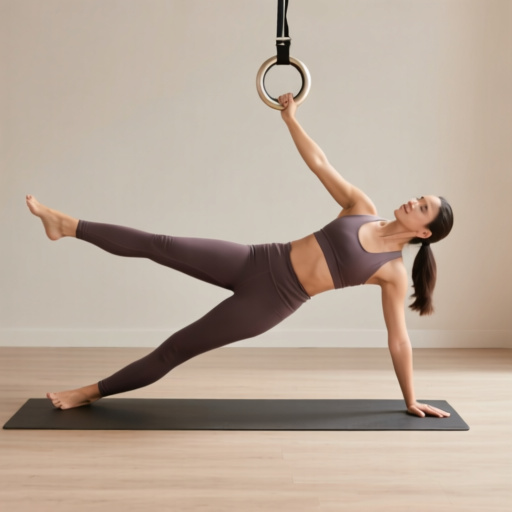
Ring Pilates utilizes a wooden ring as a prop to enhance core engagement and muscle activation during traditional Pilates exercises. This simple tool adds an element of instability, challenging practitioners to maintain balance and control. Correct form is paramount to reaping the benefits and preventing injury. This section will explore the proper technique for several fundamental ring Pilates exercises.
Ring Pilates for Core Activation
The ring’s inherent instability makes it exceptionally effective for strengthening the core muscles – the foundation of all Pilates movements. A key exercise is the Ring Roll Down. Begin seated with knees bent and feet flat on the floor. Hold the ring in both hands, extending it forward. Slowly roll backward, articulating the spine one vertebra at a time, until your chest is close to the floor. Engage your abdominal muscles to control the movement and return to the starting position. The ring encourages a deeper spinal articulation than a traditional roll down. Focus on maintaining a neutral spine throughout the exercise. A common mistake is allowing the lower back to arch excessively; this should be avoided. This exercise effectively targets the abdominal muscles, lower back, and hip flexors.
Another excellent core exercise is the Ring Circles. Start in a curled position, holding the ring in front of your chest. Slowly circle the ring in one direction, maintaining a tight core and controlled movement. Repeat in the opposite direction. The ring guides the movement and helps maintain a consistent radius. This exercise improves spinal mobility and core stability. It’s important to keep the shoulders down and away from the ears to prevent strain. Pilates instructors often emphasize the importance of drawing the navel towards the spine throughout all core exercises.
Ring Pilates for Upper Body Strength
While often associated with core work, Ring Pilates also provides a fantastic workout for the upper body. The Ring Push-Through is a prime example. Begin in a plank position with the ring held in your hands. Keeping your arms straight, slowly push the ring upwards, articulating the spine. Lower yourself back down to the starting position with control. This exercise strengthens the shoulders, chest, and triceps. Engaging the core is crucial for maintaining a stable plank position throughout the movement. Individuals new to this exercise may find it beneficial to modify by performing it on their knees. The ring provides a natural point of articulation, promoting a deeper chest stretch and improved shoulder mobility compared to a standard push-up. Studies from the American Council on Exercise (ACE) indicate that incorporating bodyweight exercises like the ring push-through can significantly improve upper body strength and endurance.
The Ring Chest Press is another effective exercise. Lie on your back with knees bent and feet flat. Hold the ring with both hands, extending it towards the ceiling. Slowly lower the ring towards your chest, then press it back up, extending your arms. This targets the pectoral muscles. Ensure that the movement is controlled and that the shoulders do not crack. Proper alignment is key to preventing shoulder injuries. This variation allows for a greater range of motion than traditional dumbbell chest presses, promoting a more complete stretch.
Ring Pilates for Arm and Shoulder Stability
Ring Pilates isn’t just about strength; it also focuses on stability. Exercises like Ring Rows, performed in a supported seated position, work the back muscles and improve shoulder girdle stability. Anchor the ring in front of you and pull yourself towards it, squeezing your shoulder blades together. Focus on engaging the back muscles rather than using momentum. This can be particularly beneficial for individuals with weak upper backs. Maintaining a straight line from your head to your knees is essential for proper form. The ring provides a natural resistance that challenges the muscles responsible for shoulder blade retraction.
Another useful exercise is the Ring Shoulder Circles. Hold the ring with both hands and slowly circle your shoulders forward and then backward. This improves shoulder mobility and flexibility. Keep the movements small and controlled. This exercise is helpful for addressing tightness in the shoulder joint and can complement other shoulder strengthening exercises. Incorporating these exercises regularly can help prevent injuries related to poor posture and limited shoulder mobility.
Important Considerations
When introducing Ring Pilates exercises, it’s crucial to start with basic movements and gradually increase the intensity and complexity. Proper form should always be prioritized over the number of repetitions. Consulting with a qualified Pilates instructor is highly recommended, especially for beginners or individuals with pre-existing physical conditions. The instability of the ring can amplify any imbalances or weaknesses, so a professional can help ensure proper alignment and technique. Listen to your body and stop if you experience any pain.
Building a Progressive Ring Pilates Workout Routine for All Levels
Ring Pilates offers a fantastic way to enhance core strength, stability, and flexibility. The resistance provided by the ring makes it adaptable for individuals across various fitness levels, from beginners taking their first steps into Pilates to seasoned practitioners seeking a new challenge. A progressive routine ensures continuous improvement and prevents plateaus. This section outlines how to build such a workout, incorporating modifications and progressions for all.
For beginners, the initial focus should be on foundational exercises. These build a solid base of strength and proper form. Simple ring exercises like gentle ring presses, controlled ring extensions, and modified ring rotations are excellent starting points. The key here is mastering the movement pattern with minimal resistance. Beginners should prioritize understanding the engagement of their core muscles throughout each exercise. They might start with shorter sets and longer rest periods, gradually increasing the intensity as they gain comfort and control. It’s crucial to emphasize proper breathing techniques – inhaling to prepare and exhaling during the exertion phase.
As fitness improves, the routine can gradually introduce more challenging exercises. This involves increasing the resistance by performing repetitions of exercises with a heavier ring or incorporating more complex movements. For example, ring squats, ring chest presses with a wider range of motion, and ring leg lifts can be integrated. Progression can also involve modifying existing exercises to increase difficulty. A beginner performing a ring extension might gradually increase the range of motion, or a more advanced individual might perform the exercise with one leg extended for added instability. It’s important to listen to the body and avoid pushing through pain. Consult a healthcare professional if experiencing any discomfort.
Intermediate-level workouts build upon the foundational strength established by beginners. Exercises become more dynamic and demanding, often requiring greater core stability and control. Consider incorporating exercises like ring rows, ring dips (with support initially), and more challenging ring rotations. These movements directly target key muscle groups, including the back, shoulders, triceps, and core. A good approach is to introduce variations of the exercises, such as single-leg ring lifts or ring presses with a pause at the top. The volume of work can be increased by adding more sets or reducing rest periods. Maintaining proper form becomes even more critical at this stage to prevent injury.
Advanced ring Pilates routines incorporate more complex and challenging exercises. These often involve combinations of movements, increased instability, and sustained muscle engagement. Examples include ring plank variations, advanced ring leg raises, and dynamic ring twists. At this level, practitioners might explore incorporating plyometric movements with the ring, such as ring hops or jumps. Maintaining a strong mind-muscle connection is crucial for maximizing the benefits of these advanced exercises. Proper form under fatigue requires focus and control. It’s advisable for advanced users to consider guidance from a qualified Pilates instructor to ensure correct technique and prevent potential injuries.
To ensure progress, the routine should be regularly reassessed and adjusted. A progressive approach isn’t linear; there will be periods of adaptation and plateaus. Tracking progress – whether by noting the weight of the ring used, the number of repetitions performed, or the duration of holds – can help identify areas for improvement. Consider incorporating varying exercise tempos to challenge muscles in different ways. For instance, slow and controlled movements build endurance, while faster movements enhance power. The key is to consistently challenge the body while respecting its limits. Remember that consistent practice, combined with mindful progression, is the foundation of a successful ring Pilates workout routine.
Advanced Ring Pilates Techniques: Challenges and Modifications
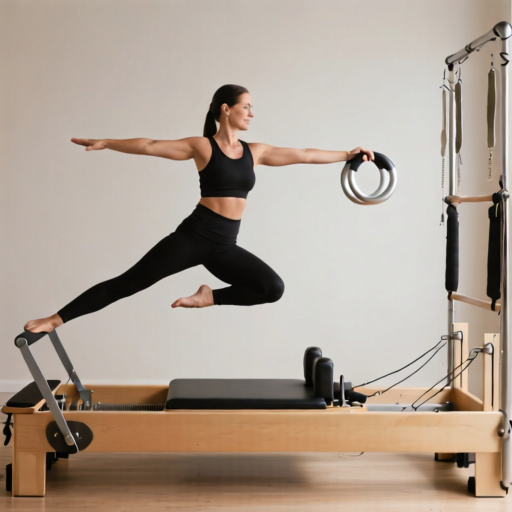
Ring Pilates, a popular variation of traditional Pilates, utilizes a resistance ring as a key prop to enhance exercises. While offering numerous benefits, including increased muscle engagement and improved core stability, advanced ring Pilates techniques present unique challenges and often require thoughtful modifications to ensure proper form and prevent injury. This section explores some of these complexities and provides practical adjustments for practitioners of all levels.
One area where challenges frequently arise is with complex arm and upper body movements. Advanced ring Pilates often involves exercises like ring presses, overhead reaches, and intricate arm circles. Maintaining proper scapular control – the movement and stability of the shoulder blades – becomes crucial. Without adequate control, practitioners may compensate with other muscle groups, potentially leading to strain in the neck, shoulders, or upper back. A real-world scenario could involve a seasoned Pilates enthusiast attempting a ring press with inadequate core engagement, resulting in shoulder discomfort. To address this, instructors can emphasize the importance of actively drawing the shoulder blades together and down throughout the movement, reminding students to maintain a stable core as a foundation. Gradual progression, starting with simpler variations and gradually increasing the resistance of the ring, is also key.
Another challenge lies in maintaining stability during dynamic movements. Exercises that involve rotation, twisting, and lateral movement with the ring require significant core strength and control. Think of a ring twist exercise where the practitioner holds the ring and rotates their torso. This action demands not only core power but also the stabilization of surrounding muscles. Individuals with weaker core muscles may find it difficult to maintain a controlled movement, leading to imbalance and potential instability. Modifications here could involve reducing the range of motion, focusing on smaller, more controlled twists, or utilizing a lighter ring. Instructors may also suggest performing the exercise with feet planted firmly on the ground, promoting better grounding and stability.
Modifications are essential for accommodating various physical limitations and experience levels. For individuals with wrist pain or instability, exercises involving prolonged wrist extension or flexion with the ring might need adjustment. Using a lighter ring or modifying the grip can alleviate discomfort. Similarly, those with shoulder impingement may need to avoid overhead movements or perform them with a wider stance and increased emphasis on scapular retraction. It’s crucial to listen to the body and prioritize form over resistance.
Furthermore, proper alignment becomes even more critical with advanced ring Pilates. The ring itself can accentuate any postural imbalances. For example, if someone tends to round their shoulders, the ring might make this more apparent. Modifications can involve incorporating exercises that specifically target postural correction, such as chest stretches and upper back strengthening exercises performed in conjunction with ring work. Instructors should regularly observe students’ form and provide individualized cues to maintain proper alignment. This aligns with principles highlighted by the Pilates method’s emphasis on precise movement and body awareness, continually reinforcing the connection between mind and body.
The use of different ring sizes also presents a challenge and an opportunity for customization. Selecting the appropriate ring resistance is vital for effective and safe exercise. Using a ring that is too heavy can lead to poor form and injury, while one that is too light may not provide adequate challenge. A well-rounded program incorporates a range of ring sizes to accommodate different strength levels and exercise variations. This approach allows for progressive overload, a fundamental principle in strength training, where resistance is gradually increased over time. According to recent studies in exercise science, progressive overload is essential for continued muscle adaptation and strength gains.
Finally, instructors must be adept at recognizing common error patterns that emerge with advanced ring Pilates. These might include excessive momentum, loss of core engagement, or compensatory movements. Providing clear and consistent cues, along with hands-on adjustments when appropriate, is crucial for helping students refine their technique and achieve optimal results. The focus should always remain on quality of movement and proper form, rather than simply completing the prescribed number of repetitions.
Optimizing Your Ring Pilates Experience: Injury Prevention and Best Practices
Ring Pilates offers a fantastic way to deepen core engagement and improve stability. However, like any exercise form, proper technique and awareness are crucial to maximize benefits and prevent potential injuries. This section explores key considerations for optimizing your Ring Pilates experience.
One of the primary benefits of Ring Pilates is its focus on controlled movements. This emphasis on controlled transitions is vital for injury prevention. Rushing through exercises or attempting movements beyond one’s current capacity can significantly increase the risk of strain. Listen to your body and prioritize quality of movement over quantity of repetitions. It’s better to perform fewer repetitions with perfect form than many with compromised technique.
Before diving into the exercises, warm-up adequately. A gentle warm-up prepares the muscles and joints for activity, increasing blood flow and flexibility. Include dynamic stretches like arm circles, leg swings, and torso twists. These movements help to loosen up the body and reduce the likelihood of muscle pulls. A good rule of thumb is to spend 5-10 minutes on a warm-up before starting your Ring Pilates session.
Proper form is paramount. Pay close attention to the alignment of your body throughout each exercise. Ensure your core remains engaged, your back is neutral, and your shoulders are relaxed. Many Ring Pilates instructors emphasize pelvic stabilization, which is fundamental to protecting the lower back. Incorrect pelvic positioning can lead to discomfort and injury. If you’re unsure about your form, consider watching the instructor closely or seeking feedback from a qualified Pilates professional.
Several common pitfalls can lead to injury in Ring Pilates. One frequent mistake is over-arching the lower back during exercises. This can put excessive stress on the spinal discs. Focus on engaging your core muscles to maintain a neutral spine. Another potential issue is locking out the knees, which can strain the joints. Keep a slight bend in your knees to absorb impact and maintain flexibility. Additionally, holding your breath can increase pressure in the abdomen and affect core stability. Remember to breathe consistently throughout your workout.
To further enhance your Ring Pilates experience and minimize injury risk, consider incorporating these best practices:
- Listen to Your Body: Pain is a signal. If you experience sharp or persistent pain, stop the exercise immediately.
- Progress Gradually: Don’t push yourself too hard, especially when starting. Gradually increase the intensity and duration of your workouts as your strength and flexibility improve.
- Maintain Consistent Practice: Regular practice is key to seeing results and maintaining good form. Aim for at least 2-3 sessions per week.
- Use Proper Equipment: Ensure your Ring Pilate ring is the correct size and in good condition.
- Stay Hydrated: Drink plenty of water before, during, and after your workout.
Pilates, including Ring Pilates, is a low-impact exercise, but it still demands mindful movement. By prioritizing proper form, listening to your body, and incorporating these best practices, individuals can enjoy the numerous benefits of Ring Pilates while significantly reducing the risk of injury. This proactive approach will lead to a more sustainable and rewarding practice.
Beyond the Basics: Integrating Ring Pilates with Other Fitness Activities
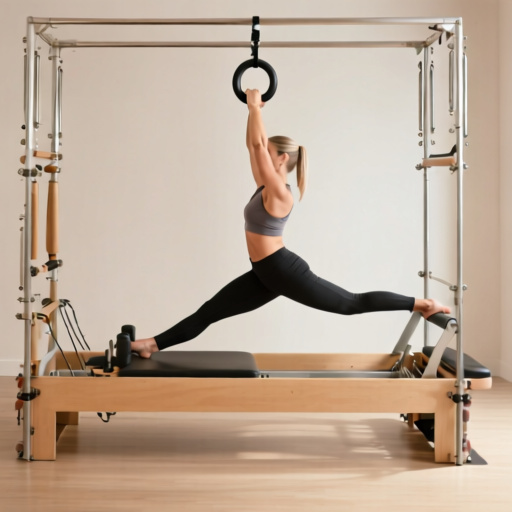
Ring Pilates offers a wonderfully versatile workout, but its benefits can be amplified when combined with other fitness practices. Many individuals explore integrating it with activities like yoga, strength training, and cardiovascular exercises to achieve a more holistic and well-rounded fitness regimen. This approach caters to diverse goals, from enhanced flexibility and core strength to improved posture and body awareness.
One effective pairing is with yoga. Both disciplines emphasize mindful movement, breath control, and body alignment. Ring Pilates can complement yoga flows by providing additional resistance and support, deepening stretches and engaging muscles in new ways. For instance, incorporating ring exercises during holding poses like plank or warrior can elevate the intensity and challenge stability. Studies suggest that combining Pilates and yoga can lead to improvements in balance and flexibility, often exceeding the benefits of either practice alone.
Furthermore, integrating Ring Pilates with strength training can build upon the core strength foundation provided by the ring. While Ring Pilates effectively targets the core and smaller stabilizing muscles, adding traditional weightlifting or bodyweight exercises can increase overall muscle mass and power. Consider incorporating ring Pilates as a warm-up to activate the core, or as a supplementary workout focusing on specific muscle groups. A freelance fitness coach, for example, often recommends circuit training that includes both ring Pilates exercises and dumbbell work for optimal results.
For those focused on cardiovascular health, adding aerobic activities like brisk walking, cycling, or swimming can create a balanced fitness routine. Ring Pilates improves muscular endurance and core stability, which indirectly benefits cardiovascular performance. A strong core provides a stable base for efficient movement in other activities, potentially enhancing stamina and reducing the risk of injury. It’s a synergistic relationship where each activity supports the other.
Transitioning from Ring Pilates to functional fitness exercises, such as squats, lunges, and planks, allows individuals to apply the core strength and body awareness developed through the ring. Many Ring Pilates exercises inherently engage the same muscle groups as functional movements. This integration can improve everyday activities, making tasks like lifting, carrying, and bending easier and more efficient. Incorporating exercises that mimic real-life movements can further enhance this benefit.
Maintaining flexibility is paramount for overall well-being, and Ring Pilates contributes significantly to this area. However, supplementing it with dedicated stretching routines, like those found in yoga or dedicated flexibility classes, can lead to even greater improvements in range of motion. Regular stretching, particularly after Ring Pilates sessions, can help reduce muscle soreness and improve recovery.
Beyond these primary pairings, Ring Pilates can even be incorporated into rehabilitation programs under the guidance of a healthcare professional. The low-impact nature of the exercises makes it suitable for individuals recovering from injuries, helping to rebuild strength and stability gradually. It’s important to note that any new exercise program should be discussed with a doctor or physical therapist, especially after an injury.
The beauty of Ring Pilates lies in its adaptability. It doesn’t need to be a standalone activity; instead, it can be a powerful component of a multifaceted fitness approach. By thoughtfully integrating it with other workouts, individuals can maximize their results and achieve their fitness goals more effectively.
Frequently Asked Questions
- What is Ring Pilates?
Ring Pilates is a variation of Pilates that incorporates a Pilates ring, also known as a magic circle, to enhance exercises and add resistance.
- What are the benefits of practicing Ring Pilates?
Ring Pilates offers many benefits, including improved core strength, deeper muscle activation, increased flexibility, better body awareness, and convenience.
- How do I get started with Ring Pilates?
You can find various Ring Pilates classes on YouTube for all fitness levels. Start with beginner-friendly videos and gradually progress as you gain strength and experience.

0 Comments