

Zumba vs Pilates: Which is Right for You?
- Zumba Pilates Explained: Understanding the Fusion of Fitness Styles
- Benefits of Zumba Pilates: Physical, Mental, and Emotional Well-being
- Finding Zumba Pilates Near You: Online Search Strategies and Directories
- Zumba Pilates Class Structure: What to Expect During a Typical Session
- Maximizing Your Workout: Tips for a Safe and Effective Zumba Pilates Routine
- Frequently Asked Questions
Zumba Pilates Explained: Understanding the Fusion of Fitness Styles
Zumba and Pilates represent distinct approaches to fitness. While both aim to improve physical well-being, their methodologies, origins, and the types of benefits offered differ significantly. Understanding these distinctions is the first step in determining which style, or perhaps a combination of both, best aligns with individual fitness goals and preferences.
Zumba emerged in the late 1990s, a fusion of Latin and international music with dance fitness. Its core principle revolves around creating a fun, energetic workout experience. Participants follow a choreographed routine, moving to upbeat rhythms. The emphasis is on cardiovascular exercise, calorie burning, and improving coordination. It’s often described as a party in motion, making it particularly appealing to those who enjoy a social and less structured workout environment. The focus isn’t primarily on precise muscle engagement but rather on overall body movement and endurance. A study published in the Journal of Strength and Conditioning Research found that Zumba classes can lead to significant improvements in cardiovascular fitness and body composition.
In contrast, Pilates, developed by Joseph Pilates in the early 20th century, centers on core strength, stability, and precise controlled movements. It’s a low-impact exercise system that emphasizes the connection between the mind and body. Pilates exercises often involve specific muscle engagement and controlled breathing. Instead of high-energy music, Pilates classes typically feature slower-paced movements and a focus on proper form. The primary benefits of Pilates include improved posture, increased flexibility, enhanced muscle tone, and rehabilitation from injuries. Many physical therapists incorporate Pilates into their treatment plans due to its emphasis on core stabilization. According to the Pilates Method Alliance, over 50 million people worldwide participate in Pilates.
The fundamental difference lies in the workout’s primary focus. Zumba is predominantly a cardio workout, while Pilates is primarily focused on strengthening the core and improving body awareness. While Zumba elevates the heart rate, Pilates builds foundational strength and control. This difference translates to varied physical outcomes. Individuals seeking to improve cardiovascular health and burn calories might find Zumba more immediately engaging. Those prioritizing core strength, posture correction, and injury prevention might prefer Pilates.
However, the lines between these two fitness philosophies are increasingly blurring. Hybrid classes combining elements of both Zumba and Pilates are becoming increasingly popular. These classes aim to offer a well-rounded workout, incorporating the energetic cardio of Zumba with the core strengthening and controlled movements of Pilates. For instance, a hybrid class might feature a sequence of dance-inspired moves followed by Pilates-based core exercises. This approach allows individuals to reap the benefits of both styles within a single workout session. A freelance fitness instructor in Los Angeles, for example, incorporated a few Pilates principles into her Zumba classes, reporting increased participant engagement and a noticeable improvement in their core stability within three months.
Ultimately, the “right” fitness style depends on individual preferences and objectives. Considering personal fitness goals, physical limitations, and preferred workout atmosphere is crucial. Whether someone enjoys the high-energy rhythms of Zumba or the focused precision of Pilates, both offer valuable contributions to a healthy lifestyle.
Benefits of Zumba Pilates: Physical, Mental, and Emotional Well-being
Zumba and Pilates, while distinct in their approaches, offer a wealth of benefits that extend far beyond mere physical fitness. Both have gained immense popularity for their ability to enhance overall well-being, impacting physical health, mental clarity, and emotional resilience. Understanding these advantages can help individuals determine which practice best aligns with their specific goals and needs.
Physically, both Zumba and Pilates contribute to improved cardiovascular health. Zumba, with its high-energy dance rhythms, elevates the heart rate, providing an effective aerobic workout. Regular Zumba classes can strengthen the cardiovascular system, potentially reducing the risk of heart disease and stroke. Pilates, though often perceived as lower impact, also positively influences cardiovascular health by increasing blood circulation and improving efficiency. A study published in the Journal of Strength and Conditioning Research found that consistent Pilates practice can lead to demonstrable improvements in cardiovascular fitness, including reduced resting heart rate and increased VO2 max.
Beyond cardiovascular benefits, both disciplines build strength and endurance. Zumba incorporates dynamic movements that engage multiple muscle groups, particularly in the legs and core. The repetitive motions contribute to muscular endurance and tone. Pilates, on the other hand, emphasizes core strength as the foundation for all movements. Through controlled exercises, Pilates strengthens deep abdominal muscles, back muscles, and pelvic floor muscles, leading to improved posture and stability. This core engagement also plays a crucial role in injury prevention. For instance, a freelance graphic designer who incorporates Pilates into their routine often reports fewer instances of back pain related to prolonged sitting.
The mental advantages of both Zumba and Pilates are significant. The rhythmic nature of Zumba can be a powerful stress reliever. The focus on following the music and choreography can distract from daily worries, promoting a sense of flow and mindfulness. This can lead to a reduction in anxiety and an improvement in mood. Pilates, with its emphasis on precision and concentration, cultivates mental focus. Participants learn to connect their mind and body, improving body awareness and coordination. This heightened awareness can translate to better performance in other areas of life. Moreover, the controlled breathing techniques integral to Pilates also contribute to stress reduction by activating the parasympathetic nervous system.
Emotionally, both practices foster a sense of accomplishment and self-esteem. Completing a Zumba class, even a challenging one, provides a feeling of energy and exhilaration. The social aspect of group Zumba classes can also contribute to emotional well-being, fostering a sense of community and belonging. Pilates, while often practiced individually, offers a similar sense of personal achievement as practitioners master increasingly challenging exercises. The improvements in body awareness and posture can also positively impact self-perception and confidence. A real-world scenario reveals this impact: a woman struggling with low self-esteem found that regular Pilates sessions not only improved her physical posture but also boosted her confidence in social situations. The consistent practice created a tangible sense of progress, fostering a more positive self-image.
Furthermore, both Zumba and Pilates can positively influence sleep quality. Regular physical activity, regardless of the type, promotes deeper and more restful sleep. The reduction in stress and anxiety associated with both practices can also contribute to better sleep hygiene. Individuals who incorporate either Zumba or Pilates into their weekly routine often report falling asleep more easily and experiencing fewer nighttime awakenings. This improvement in sleep quality has a cascading effect on overall physical and mental health.
Finding Zumba Pilates Near You: Online Search Strategies and Directories
Locating Zumba and Pilates classes often involves a combination of online search techniques and utilizing specialized directories. The proliferation of fitness options has made finding the right class a task requiring a strategic approach. Individuals can leverage various digital tools to identify studios and instructors offering these popular workout styles.
One effective strategy begins with targeted keyword searches. When using search engines like Google, users should employ specific terms. Instead of a general search for “fitness classes,” a more refined query such as “Zumba classes [your city/zip code]” or “Pilates studio near me” will yield more relevant results. Including location-based keywords is crucial for pinpointing nearby options. Furthermore, specifying class types like “beginner Pilates” or “high-energy Zumba” can narrow the search further.
Beyond general search engines, specialized online directories dedicated to fitness businesses can prove invaluable. These platforms aggregate listings from numerous studios and instructors, often providing detailed information about class schedules, pricing, instructor qualifications, and client reviews. Popular examples include Yelp, Google Maps (which features business listings and reviews), and dedicated fitness directories like ClassPass and Mindbody. These platforms allow users to filter results based on various criteria, such as class type, location, price range, and availability.
For instance, a user in Austin, Texas, looking for Zumba classes might start by searching “Zumba classes Austin TX” on Google. This will likely return local studios and instructors with business websites and Google Business Profile listings. Clicking on these profiles often reveals class schedules, photos, and customer feedback. Alternatively, the user could visit Yelp and search for “Zumba” in Austin, filtering by rating and price. This approach provides a comprehensive overview of available options and allows for direct comparison.
Another helpful tactic is to explore social media platforms like Facebook and Instagram. Many local Zumba and Pilates instructors and studios maintain a strong online presence, regularly posting class schedules, promotional offers, and testimonials. Searching for hashtags like #ZumbaAustin or #PilatesDallas can uncover hidden gems and community-based classes that might not appear in traditional search results.
Here are some key online resources for finding Zumba and Pilates classes:
- Google Maps: Provides location-based search and reviews.
- Yelp: Offers business listings and customer reviews.
- ClassPass: Aggregates fitness classes from various studios.
- Mindbody: Another popular platform for finding and booking fitness classes.
- Facebook: Many studios and instructors have active pages.
- Instagram: Use relevant hashtags to discover local offerings.
Before committing to a class, it’s beneficial to explore the instructor’s background and teaching style. Many online profiles include instructor bios, certifications, and even videos showcasing their classes. Reading reviews from other participants can offer valuable insights into the class environment and the instructor’s effectiveness. Consider what’s important – a high-energy atmosphere or a more focused, therapeutic approach. This research ensures a better fit and a more enjoyable workout experience.
Evaluating Zumba Pilates Studios: What to Look for in a Quality Class
Choosing the right fitness studio can significantly impact your experience and results. When deciding between Zumba and Pilates, or even within a specific discipline, careful evaluation is key. This section outlines crucial factors to consider when assessing the quality and suitability of a Zumba or Pilates studio.
Instructor Qualifications and Experience
The instructor is arguably the most important element of any fitness class. Look beyond certifications and delve into experience. A qualified instructor will possess recognized certifications from reputable organizations like the Zumba Instructor Network (ZIN) or the Pilates Method Alliance (PMA). These certifications demonstrate a baseline level of knowledge and training. However, practical experience is equally vital. Consider how long the instructor has been teaching and whether they specialize in specific styles or levels. A seasoned instructor can adapt routines to accommodate various fitness levels and offer modifications for injuries.
Observe the instructor’s teaching style during a class or introductory session. Effective instructors provide clear cues, offer modifications, and foster a positive and encouraging environment. They should demonstrate proper form and technique, acting as a knowledgeable guide rather than just leading movements. A lack of clear instruction or inconsistent demonstrations can lead to improper form and increase the risk of injury.
Studio Environment and Atmosphere
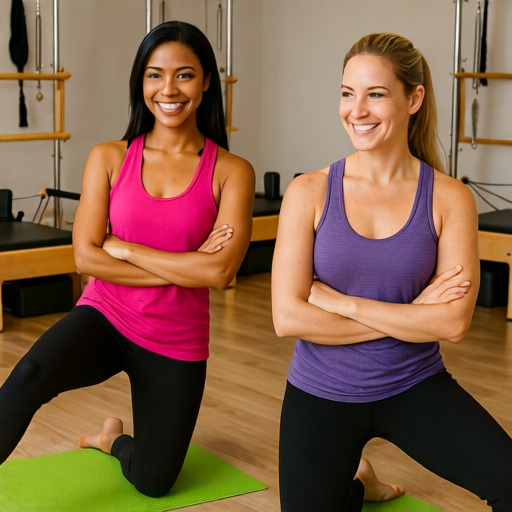
The studio’s physical environment plays a role in the overall experience. Is the space clean, well-maintained, and adequately sized for the class? Consider the equipment available, particularly for Pilates. A Pilates studio should have a variety of apparatus, including reformers, cadillacs, and chairs. The condition of this equipment is a good indicator of the studio’s commitment to quality. For Zumba, sufficient open floor space is essential to move freely and safely.
Beyond the physical space, the studio’s atmosphere matters. Does it feel welcoming and inclusive? Is the music appropriate for Zumba, energetic and motivating? For Pilates, is the ambiance calming and conducive to focused movement? A positive and supportive environment can significantly enhance motivation and adherence to a fitness routine. Read online reviews to get a sense of the studio’s overall vibe and the community it fosters.
Class Structure and Variety
A well-structured class will incorporate a warm-up, a core workout, and a cool-down. Warm-ups prepare the body for exercise, while cool-downs aid in recovery and flexibility. Consider the variety within the classes offered. Does the studio provide different levels (beginner, intermediate, advanced) to accommodate diverse fitness levels? Do they offer specialized classes, such as mat Pilates or different Zumba styles (e.g., Bollywood Zumba, Hip-Hop Zumba)? A range of options can keep workouts engaging and prevent plateaus.
Understanding the class format is also important. Zumba classes typically follow a set choreography with periods of high-energy dance moves. Pilates classes often emphasize controlled movements and precise muscle engagement. Ensure the class format aligns with your fitness goals and preferences.
Class Size and Personal Attention
The size of the class can impact the level of personal attention you receive. Smaller class sizes generally allow the instructor to provide more individualized feedback and ensure proper form. Larger classes can feel crowded, making it difficult to see cues and receive corrections. Inquire about the typical class size and the instructor-to-student ratio.
Don’t hesitate to ask questions during or after a class. A good instructor will be happy to address your concerns and provide guidance.
Pricing and Membership Options
Consider the studio’s pricing structure and membership options. Compare costs across different studios and assess what is included in the price. Are there initiation fees, monthly dues, or drop-in rates? Does the studio offer trial periods or introductory packages? Ensure the pricing aligns with your budget and fitness goals.
Location and Schedule
Practical considerations like location and schedule are essential for consistent attendance. Choose a studio that is conveniently located and offers class times that fit easily into your routine. Check the studio’s schedule online or inquire about their class timetable.
By carefully evaluating these factors, individuals can make an informed decision when selecting a Zumba or Pilates studio and ensure they find a quality class that supports their fitness journey.
Class Formats and Levels: Choosing the Right Zumba Pilates Experience
Both Zumba and Pilates offer a diverse range of class formats and levels, making it crucial for individuals to understand their options to find the best fit for their fitness goals and preferences. Understanding these nuances empowers potential participants to make informed decisions, leading to a more enjoyable and effective workout experience. This section explores the typical class structures and progression pathways offered by both disciplines.
Zumba Class Formats and Levels
Zumba is renowned for its energetic and dance-inspired workouts, typically structured around various themes and intensity levels. The core Zumba class is a high-energy cardio workout blending Latin and international music with dance moves. However, Zumba has branched into several specialized formats catering to different interests and fitness levels.
- Zumba Fitness: This is the foundational Zumba class, ideal for beginners. It focuses on learning the basic Zumba steps and building cardiovascular endurance. Expect choreography that’s relatively easy to follow, primarily emphasizing rhythm and movement.
- Zumba Gold: Designed for older adults and those new to exercise, Zumba Gold features modifications to moves and a slower pace. It’s a low-impact option that promotes balance and coordination while remaining engaging. The focus is on adapting the routine to suit individual needs and limitations.
- Zumba Toning: This format incorporates light weights to add a strength-toning element to the cardio workout. It’s a good option for those looking to improve muscle definition alongside their cardiovascular fitness. The weights are typically light dumbbells, allowing for increased calorie burn and muscle engagement.
- Zumba Kids/Kids Zoom: These classes are specifically tailored for children, incorporating fun, age-appropriate choreography and games to promote physical activity and coordination. They help develop motor skills and a positive association with exercise from a young age.
- Zumba HIIT: Combining high-intensity interval training (HIIT) principles with Zumba choreography, this format offers a more challenging and calorie-burning workout. It alternates between bursts of intense dance moves and brief recovery periods.
Progression in Zumba often involves moving from Zumba Fitness to Zumba Gold as fitness levels change or needs evolve. Specialized formats like Zumba Toning and HIIT are typically pursued after establishing a base level of fitness through the core Zumba class. Experienced Zumba enthusiasts might also participate in advanced workshops or training sessions to refine their technique and choreography skills.
Pilates Class Formats and Levels
Pilates, founded by Joseph Pilates, emphasizes core strength, flexibility, and body awareness. Class formats tend to be more structured than Zumba’s, often focusing on precise movements and controlled breathing. Pilates offers a spectrum of class types, each with its own emphasis.
- Mat Pilates: This is the most common and accessible form of Pilates, performed on a mat using bodyweight resistance. It focuses on core engagement, spinal alignment, and controlled movements. Mat classes often target specific muscle groups and can be modified for various fitness levels.
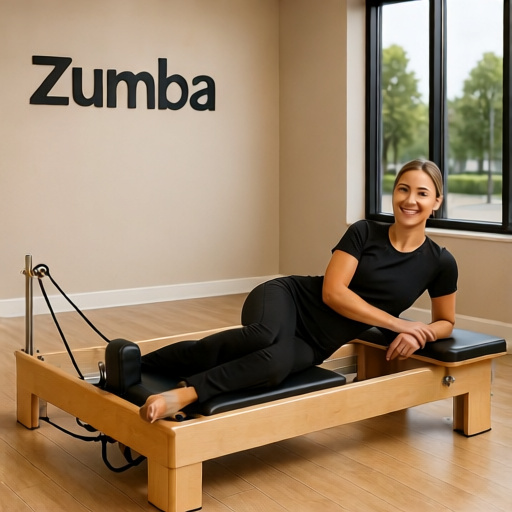
- Reformer Pilates: Utilizing a specialized machine called the Reformer, this format provides resistance through springs, allowing for a wider range of exercises and more targeted muscle work. The Reformer offers adjustable resistance, making it suitable for both beginners and advanced practitioners. The machine can assist or resist movements, enhancing the workout.
- Cadillac Pilates: This class utilizes a Cadillac, another specialized Pilates apparatus with a frame, springs, and bars. It’s a more advanced format that allows for a greater range of motion and support for various exercises.
- Chair Pilates: Designed for individuals with limited mobility or those recovering from injuries, Chair Pilates utilizes a chair for support and stability. It focuses on strengthening and toning muscles while minimizing strain on joints.
- Pre-Natal/Post-Natal Pilates: These specialized classes are designed to meet the specific needs of pregnant and postpartum women, focusing on safe and effective exercises to support both physical and emotional well-being.
Pilates levels are typically categorized as Beginner, Intermediate, and Advanced. Beginner classes introduce fundamental Pilates principles and exercises. Intermediate classes build upon these foundations, incorporating more challenging movements and variations. Advanced classes are designed for experienced practitioners seeking to refine their technique and challenge their bodies further. A typical progression might involve starting with Mat Pilates, then moving to Reformer Pilates as strength and stability improve.
A freelance photographer using Astra theme launched their portfolio in under an hour. The streamlined interface and intuitive drag-and-drop functionality allowed for rapid website development, saving valuable time and resources – a testament to modern web design tools.
Finding the Right Fit
Choosing between Zumba and Pilates, or selecting the right format and level within each discipline, depends on individual fitness goals, preferences, and physical condition. Zumba is an excellent choice for those seeking a fun, high-energy cardio workout. Pilates is ideal for those prioritizing core strength, flexibility, and mindful movement. Consider factors such as injury history, desired intensity, and personal interests when making your decision. Trying introductory classes in both disciplines can provide valuable insights and help individuals determine which experience resonates best with their needs and aspirations.
Zumba Pilates Class Structure: What to Expect During a Typical Session
A typical Zumba or Pilates class follows a structured format designed to guide participants through a full-body workout. While the specific details may vary depending on the instructor and the type of class (e.g., Zumba Toning, Pilates Reformer), there are common elements found in most sessions. Understanding this structure can help individuals prepare physically and mentally for their workout and maximize its benefits.
Most Zumba classes begin with a warm-up, usually lasting 5-10 minutes. This initial phase prepares the muscles for more intense activity. It often involves light cardio movements, such as marching in place, arm circles, and torso twists, accompanied by upbeat music. The purpose of the warm-up is to increase blood flow and gradually elevate the heart rate, reducing the risk of injury. This gentle preparation is a crucial step before engaging in the more dynamic dance sequences that define Zumba.
Following the warm-up, the core of the Zumba class unfolds. This section typically lasts 30-45 minutes and consists of a series of choreographed dance moves set to Latin and international music. Instructors guide participants through various routines, incorporating different steps and rhythms. These routines often target multiple muscle groups simultaneously, providing a full-body workout. Think of it as a high-energy dance party where fitness is the primary objective. Participants can expect a variety of moves, including hip sways, leg kicks, and arm movements, all performed with a focus on fun and rhythm. The intensity levels can vary within the class, offering options for different fitness levels. Beginners might focus on mastering the basic steps, while more advanced participants can tackle more complex choreography.
Pilates classes also begin with a warm-up, though it tends to be more focused on spinal mobility and gentle muscle activation compared to the rhythmic movements of Zumba. This might include exercises like pelvic tilts, cat-cow stretches, and gentle torso rotations. The warm-up prepares the body for the precise movements inherent in Pilates.
The main portion of a Pilates class centers around mat work or the use of specialized equipment like the Reformer, Cadillac, or Chair. Mat Pilates involves exercises performed on a mat, utilizing bodyweight and controlled movements to strengthen core muscles, improve flexibility, and enhance posture. A typical mat Pilates sequence might include exercises like the hundred, roll-up, single leg circles, and swan dive. Reformer Pilates, on the other hand, employs a carriage, springs, and pulleys to provide resistance and support, allowing for a wider range of exercises and a more targeted workout. The instructor provides detailed cues and modifications to ensure proper form and alignment throughout the exercises. The emphasis is always on controlled movements and engaging the deep core muscles.
Cool-down and stretching conclude both Zumba and Pilates sessions, usually lasting 5-10 minutes. This final phase helps the body gradually return to its resting state. In Zumba, the cool-down might involve slower dance movements and stretches focusing on the legs, arms, and core. Pilates cool-downs typically include static stretches, holding each stretch for a period of time to improve flexibility and reduce muscle soreness. This is a vital part of any workout, aiding in recovery and preventing stiffness.
Here’s a quick overview of what to expect:
- Warm-up: 5-10 minutes of light cardio and dynamic movements.
- Main Workout: 30-45 minutes of choreographed dance (Zumba) or controlled exercises (Pilates).
- Cool-down & Stretch: 5-10 minutes of static stretches.
- Music: Zumba classes are heavily music-driven, while Pilates classes often feature calming or rhythmic instrumental music.
- Instructor Guidance: Expect clear verbal cues and demonstrations from the instructor.
- Modifications: Both Zumba and Pilates instructors often offer modifications for different fitness levels and physical limitations.
For instance, a beginner might find the initial Zumba warm-up easy to follow, while the fast-paced choreography could be challenging. In Pilates, a beginner might start with basic mat exercises, gradually progressing to more complex movements as strength and control improve.
The format of a typical session is consistent, but the specific movements and music will differ significantly between Zumba and Pilates, catering to distinct fitness goals and preferences. Understanding this structure empowers individuals to choose the class that best aligns with their fitness aspirations and enjoy a safe and effective workout experience.
Cost of Zumba Pilates: Studio Fees, Online Options, and Budgeting Tips
Choosing between Zumba and Pilates often comes down to personal preference and financial considerations. Understanding the costs associated with each can significantly influence your decision. This section breaks down the typical expenses for both studio-based classes and online alternatives, along with practical budgeting tips to help you fit fitness into your budget.
Studio Fees: A Breakdown
The cost of attending a fitness studio varies greatly depending on location, class type, and the studio’s overall pricing structure. Generally, Zumba and Pilates studios operate on a few common fee models.
Drop-in Rates: Many studios offer a drop-in option, allowing you to attend individual classes without a membership. Expect to pay anywhere from \(15 to \)25 per class for Zumba and \(18 to \)30 for Pilates. This is a good option for trying out a new class or for those who prefer flexibility.
Class Packs: Purchasing a pack of classes typically offers a discounted rate compared to drop-in fees. A pack of 5-10 classes might range from \(60 to \)120 for Zumba and \(90 to \)180 for Pilates. This can be a cost-effective way to commit to a few sessions.
Monthly Memberships: For regular attendance, a monthly membership is often the most economical choice. Zumba memberships might cost between \(80 and \)150 per month, while Pilates memberships can range from \(100 to \)250 or more. These memberships often include unlimited or discounted access to classes.
Introductory Offers: Many studios frequently run introductory offers for new clients. These may include discounted first-month memberships or special rates on class packs. It’s always worth checking with local studios to see if any such promotions are available.
Online Options: A More Affordable Route
The rise of online fitness platforms has introduced more budget-friendly ways to enjoy both Zumba and Pilates workouts. These options eliminate the overhead costs associated with physical studio spaces, translating to lower prices for consumers.
Subscription Services: Numerous online platforms offer unlimited access to a vast library of Zumba and Pilates videos for a monthly or annual subscription fee. These services often cost between \(10 and \)30 per month.
Individual Video Purchases: You can also purchase individual Zumba or Pilates workout videos from platforms like Amazon, Vimeo, or specialized fitness websites. The price per video typically ranges from \(5 to \)20.
Free YouTube Content: A wealth of free Zumba and Pilates workout videos is available on YouTube. While the quality and variety may vary, this is an excellent option for those on a very tight budget. Channels dedicated to these fitness styles often offer structured routines and modifications for different fitness levels.
App-Based Workouts: Several fitness apps provide on-demand Zumba and Pilates classes, often with personalized workout plans and progress tracking. Subscription costs for these apps typically fall between \(5 and \)15 per month.
Budgeting Tips for Fitness
Regardless of whether you choose a studio or online option, here are some tips for managing your fitness expenses:
- Set a Realistic Budget: Determine how much you can comfortably allocate to fitness each month.
- Take Advantage of Free Trials: Many online platforms offer free trial periods, allowing you to explore their content before committing to a subscription.
- Explore Community Resources: Check if your local community center or library offers free or low-cost fitness classes.
- Consider Second-Hand Equipment: If you opt for at-home workouts, consider purchasing used mats, weights, or other equipment.
- Prioritize Your Needs: Evaluate which option – studio classes or online workouts – best aligns with your fitness goals and budget. Sometimes, a combination of both can be a good approach.
- Look for Discounted Memberships: Some employers or insurance providers offer discounts on gym or fitness studio memberships.
References
Maximizing Your Workout: Tips for a Safe and Effective Zumba Pilates Routine
Combining Zumba and Pilates offers a powerful workout experience, blending cardiovascular benefits with core strength and flexibility. This fusion can be highly effective, but it also requires careful attention to ensure safety and maximize results. Here are some key tips for a safe and effective Zumba Pilates routine.
Understanding the Benefits of the Fusion
Zumba, known for its high-energy dance moves, elevates heart rate and burns calories. Pilates, on the other hand, focuses on strengthening the deep core muscles, improving posture, and enhancing body awareness. Together, these disciplines can create a well-rounded fitness regimen. A study published in the Journal of Strength and Conditioning Research found that incorporating both aerobic and strength training exercises leads to greater improvements in overall fitness compared to either alone. For example, the dynamic movements of Zumba can warm up the muscles, preparing them for the controlled, precise movements of Pilates. This synergistic effect can lead to increased calorie expenditure and improved muscular endurance.
Starting Slowly and Listening to Your Body
Beginners should approach a Zumba Pilates routine with caution. It’s crucial to start with shorter sessions and gradually increase the duration and intensity. Pay close attention to your body’s signals. Muscle soreness is normal, but sharp pain is a sign to stop. Proper form is paramount to prevent injuries, especially when combining the dynamic nature of Zumba with the focused precision of Pilates. Consider starting with beginner-level classes or following online tutorials specifically designed for this combination. It’s also beneficial to consult with a healthcare professional before starting any new exercise program, particularly if you have pre-existing health conditions.
Focusing on Proper Form
Maintaining correct form is non-negotiable. In Zumba, this means engaging the core to stabilize movements and avoiding jerky motions. In Pilates, precise control and alignment are key. For instance, during Pilates exercises like the roll-up, focus on using the abdominal muscles to initiate the movement, rather than relying on momentum. Similarly, in Zumba, ensuring proper hip and knee alignment minimizes stress on these joints. A qualified instructor can provide personalized feedback on your form, helping you avoid common mistakes and maximize the benefits of each exercise. Resources like videos from certified Pilates and Zumba instructors can also prove invaluable for self-correction.
Warm-up and Cool-down are Essential
A thorough warm-up prepares your muscles for the workout, reducing the risk of strains and sprains. This should include light cardio, such as marching in place or arm circles, followed by dynamic stretches like leg swings and torso twists. A cool-down, involving static stretches held for 20-30 seconds, helps to gradually lower your heart rate and improve flexibility. Examples of beneficial cool-down stretches include hamstring stretches, quad stretches, and hip flexor stretches. Neglecting these stages can significantly increase the likelihood of muscle soreness and stiffness. Adhering to a structured warm-up and cool-down routine is a fundamental aspect of a safe and effective workout.
Hydration and Nutrition
Proper hydration is crucial during any workout, especially one as physically demanding as Zumba Pilates. Drink water before, during, and after your session to replace fluids lost through sweat. A general guideline is to drink at least 16-20 ounces of water in the hour leading up to exercise, and continue sipping throughout. Fueling your body with nutritious foods is equally important. A balanced diet rich in protein, carbohydrates, and healthy fats provides the energy needed for your workout and aids in muscle recovery. Avoid processed foods and sugary drinks, which can hinder your progress.
Modifications and Progressions
A good Zumba Pilates routine should offer modifications for different fitness levels. For example, low-impact variations of Zumba steps can be incorporated for those with joint issues. Similarly, Pilates exercises can be adapted to make them easier or more challenging. As you get fitter, gradually increase the intensity by adding more repetitions, longer holds, or more complex movements. Don’t be afraid to challenge yourself, but always prioritize proper form over speed or quantity. This progressive approach ensures continuous improvement and helps prevent plateaus.
Consider a Qualified Instructor
Working with a certified instructor who has experience in both Zumba and Pilates can significantly enhance your routine. They can create a safe and effective workout plan tailored to your individual needs and goals. An experienced instructor understands how to seamlessly integrate the two disciplines, ensuring a balanced and challenging workout. They can also provide real-time feedback on your form, helping you avoid injuries and maximize your results. Organizations like the World Zumba and Polestar Pilates offer certifications for instructors, demonstrating a commitment to quality and safety.
Advanced Techniques and Specializations: Exploring Specialized Zumba Pilates Classes
While standard Zumba and Pilates classes offer a fantastic full-body workout, both disciplines have evolved to incorporate more specialized forms. These advanced techniques cater to specific fitness goals, levels of experience, and individual needs. Exploring these specializations can unlock even greater benefits and challenge participants in new ways.
Zumba Specializations
Zumba, known for its high-energy dance fitness, boasts several specialized iterations. Zumba Toning is a popular option, integrating light weights to intensify the workout and build muscle endurance. This class focuses on smaller muscle groups, leading to improved definition and strength. Participants typically use 1-3 pound hand weights and often incorporate resistance bands. The tempo remains upbeat, maintaining the core Zumba feel while adding a targeted strength component.
Another notable specialization is Zumba Gold, designed for older adults and those new to fitness. These classes feature modifications for movements, slower tempos, and a focus on balance and coordination. The emphasis remains on fun and social connection, making it an accessible entry point to the Zumba fitness community. Zumba Gold often incorporates chair-based exercises for added support and safety.
For those seeking a more intense cardiovascular challenge, Zumba HIIT (High-Intensity Interval Training) combines fast-paced dance moves with short bursts of high-intensity exercises. This format, often incorporating plyometrics and bodyweight training, elevates the heart rate significantly and boosts calorie burn. Participants can expect a demanding workout that pushes their cardiovascular limits.
Pilates Specializations
Pilates, renowned for its core strengthening and body alignment benefits, also offers a spectrum of specializations. Mat Pilates remains the foundational practice, utilizing body weight and controlled movements on a mat to build strength, flexibility, and posture. However, it’s often supplemented with more advanced mat exercises that challenge balance and coordination.
Reformer Pilates utilizes a specialized machine with a carriage, springs, and straps to provide resistance and support. This allows for a wider range of exercises and greater precision in muscle engagement. Reformer Pilates is particularly beneficial for rehabilitation, injury prevention, and deep core strengthening. It’s often favored by athletes and those recovering from physical therapy.
Cadillac Pilates, another advanced form, incorporates a frame with a trapeze table, bar, and other apparatus. This allows for complex and challenging exercises that enhance flexibility, balance, and spatial awareness. Cadillac Pilates is frequently used in professional Pilates studios and is often part of specialized training programs for instructors.
Pre-natal and Post-natal Pilates classes are specifically designed for expectant and new mothers. These classes focus on strengthening the pelvic floor, abdominal muscles, and back, addressing the unique physical demands of pregnancy and postpartum recovery. Modifications are provided to ensure safety and comfort throughout each exercise.
Blending the Disciplines
Interestingly, some fitness studios are now offering classes that creatively blend elements of both Zumba and Pilates. These hybrid classes might incorporate rhythmic movements and choreographed sequences reminiscent of Zumba, but with a focus on controlled core engagement and precise muscle activation characteristic of Pilates. This approach can offer a well-rounded workout that is both engaging and effective. Participants can expect a dynamic class structure that combines cardiovascular benefits with improved strength and flexibility.
Engaging in these specialized Zumba and Pilates classes allows individuals to tailor their fitness journey to their specific needs and preferences. Whether the goal is to build muscle endurance, improve balance, or rehabilitate from an injury, these advanced techniques offer targeted and effective solutions.
Frequently Asked Questions
- What are the key differences between Zumba and Pilates?
Zumba is a cardio-focused dance fitness class emphasizing fun and calorie burning, while Pilates centers on core strength, stability, and precise movements for improved posture and body control.
- Which fitness style is better for improving cardiovascular health?
Zumba is generally considered better for cardiovascular health as it elevates the heart rate and promotes sustained cardio activity.
- Is there a fitness style that combines elements of both Zumba and Pilates?
Yes, hybrid Zumba Pilates classes are becoming popular, offering a blend of cardio and core strengthening benefits.

0 Comments