

- How the Wunda Chair Works: Mechanics and Muscle Activation for Core Strengthening
- Progressing Your Wunda Chair Routine: Intermediate Exercises for Enhanced Core Strength
- Advanced Wunda Chair Techniques: Increasing Challenge and Stability
- Integrating the Wunda Chair into a Comprehensive Core Workout Program
- Maximizing Your Wunda Chair Workouts: Best Practices for Consistent Progress and Long-Term Core Strength
- Frequently Asked Questions
Understanding the Wunda Chair: Anatomy, Benefits, and Core Engagement
The Wunda Chair is a versatile piece of Pilates equipment designed to challenge strength, stability, and control. Unlike some other Pilates apparatus, its compact size makes it accessible for home practice as well as professional studio settings. Understanding its anatomy is the first step to unlocking its full potential.
The Wunda Chair consists of a sturdy, box-like frame with a padded seat. The key element is the running wheel, a smooth, cylindrical component that the user’s feet press against. This wheel is what generates the resistance that defines many Wunda Chair exercises. Springs are housed within the frame and directly influence the level of resistance. These springs come in various colors, each representing a different resistance level, allowing for progressive training as strength improves. The chair also incorporates handles for support and balance during various movements.
Anatomy Breakdown
The seat itself is ergonomically shaped to encourage proper spinal alignment. This design helps to engage the core muscles throughout the exercise. The running wheel’s smooth surface allows for a controlled range of motion. This precise movement is crucial for targeting specific muscle groups. The handles are strategically placed to provide stability and assist with balance, especially during more challenging exercises.
Physical Benefits of Wunda Chair Work
Regular Wunda Chair practice offers a wide array of physical benefits. A significant advantage lies in its capacity to strengthen the core – a foundational element for overall physical well-being. The constant need to stabilize the torso while performing movements effectively engages the abdominal muscles, obliques, and lower back muscles. This core strengthening translates to improved posture, reduced back pain, and enhanced athletic performance.
Beyond core strength, the Wunda Chair improves muscular endurance. The controlled, repetitive movements work muscles efficiently, building stamina without excessive strain. Furthermore, it enhances flexibility and range of motion due to the controlled articulation required during exercises. Studies have shown that consistent Pilates practice, including work on equipment like the Wunda Chair, can lead to improvements in flexibility and reduced muscle stiffness.
The Wunda Chair is also beneficial for proprioception, which is the body’s awareness of its position in space. The unstable nature of the running wheel forces the muscles to constantly adjust and stabilize, refining proprioceptive abilities. This can contribute to better balance and coordination, reducing the risk of falls, particularly as individuals age.
Core Engagement in Wunda Chair Exercises
Effective Wunda Chair work hinges on proper core engagement. Before initiating any exercise, the user should consciously draw the navel towards the spine, creating a stable base. Maintaining this engagement throughout the movement is paramount. This isn’t about tensing the abs; it’s about creating a subtle, consistent level of activation that supports the spine.
Several principles guide core engagement on the Wunda Chair. Firstly, envision a straight line running from the head to the tailbone – this alignment promotes spinal stability. Secondly, focus on breathing deeply and rhythmically, coordinating inhales and exhales with the movements. Exhaling during the exertion phase helps to further activate the core muscles.
Here are some practical tips for enhancing core engagement during Wunda Chair exercises:
- Pelvic Stabilization: Avoid excessive pelvic tilt. Maintain a neutral pelvic position throughout exercises.
- Spinal Extension Awareness: Be mindful of over-arching the lower back. Engage the abdominal muscles to support the spine during extension movements.
- Controlled Movements: Resist the urge to use momentum. Focus on slow, controlled movements that emphasize muscular contraction.
- Breathing Coordination: Inhale to prepare for a movement; exhale during the most challenging part of the exercise.
Consistent, mindful practice on the Wunda Chair, with a focus on core engagement, can lead to significant improvements in strength, stability, and overall physical function. The controlled resistance and emphasis on proper form make it a valuable tool for individuals of all fitness levels.
How the Wunda Chair Works: Mechanics and Muscle Activation for Core Strengthening
The Wunda Chair is a versatile piece of equipment that utilizes a unique combination of resistance and controlled movement to effectively strengthen the core musculature. Its design, featuring a resilient pedal, a chair seat, and a spring mechanism, allows for a wide range of exercises targeting various aspects of core stability, strength, and endurance. Understanding the mechanics of how it works illuminates the specific muscles engaged and the benefits derived from its use.
The core of the Wunda Chair’s functionality lies in its spring system. This system provides a progressive resistance that increases as the pedal is pushed down. Unlike free weights, this resistance is consistent throughout the range of motion, offering a controlled and continuous challenge. This consistent resistance is crucial for developing sustained core engagement, which is vital for everyday activities and athletic performance.
Several key components contribute to the chair’s unique mechanics. The resilient pedal is the primary interface for generating resistance. Pushing down on the pedal activates the spring, creating the opposing force. The chair seat itself provides a stable base for performing various exercises, while its design encourages proper spinal alignment. The interplay between these elements allows for both dynamic and static core work.
The Wunda Chair engages a comprehensive network of muscles surrounding the torso. These muscles can be broadly categorized into:
- Rectus Abdominis: The primary muscle responsible for trunk flexion (bending forward). Wunda Chair exercises effectively challenge the rectus abdominis in a controlled manner, promoting strength and endurance.
- Obliques (Internal and External): These muscles are crucial for trunk rotation and lateral flexion (bending sideways). Exercises like the Wunda Slant Knee exercise significantly activate the obliques, improving rotational stability.
- Transverse Abdominis: Often referred to as the “deep six,” this muscle acts like a natural corset, stabilizing the spine. The controlled resistance of the Wunda Chair encourages engagement of the transverse abdominis throughout most exercises.
- Erector Spinae: These muscles run along the spine and are essential for maintaining upright posture and spinal extension. Many Wunda Chair exercises necessitate the activation of the erector spinae to prevent excessive spinal flexion or extension.
- Hip Flexors and Gluteal Muscles: While primarily a core strengthening tool, the Wunda Chair also engages hip flexors and glutes to stabilize the body during various movements, particularly those involving leg lifts and reaches.
Consider the Wunda Slant Knee exercise. As the user pushes down on the pedal with one knee extended and the other bent, the spring resistance opposes the movement. This action not only strengthens the abdominal muscles but also requires significant stabilization from the obliques and lower back muscles to prevent unwanted rotation or pelvic drop. This functional movement pattern translates directly to improved stability in real-world scenarios, such as lifting or carrying objects.
The Wunda Chair’s design facilitates a focus on controlled movements and deliberate muscle engagement. Unlike exercises performed with momentum, Wunda Chair work demands conscious effort to resist the spring’s force. This promotes better mind-muscle connection, allowing users to feel the targeted muscles working effectively. This mindful approach can lead to more efficient and effective core strengthening.
Furthermore, the adjustable resistance offered by the Wunda Chair allows for progressive overload. As core strength improves, users can gradually increase the resistance by adjusting the pedal pressure or utilizing variations of exercises. This adaptability makes it suitable for individuals of varying fitness levels, from beginners to advanced athletes. A beginner might start with light resistance, focusing on mastering the basic movements, while a more advanced user can utilize higher resistance levels to further challenge their core.
The Wunda Chair’s mechanics provide a valuable tool for improving overall functional fitness. By strengthening the core, it contributes to better posture, reduced risk of back pain, enhanced athletic performance, and improved balance. Therefore, understanding how the Wunda Chair works reveals its potential as a powerful and effective addition to any fitness regimen.
Essential Wunda Chair Exercises: A Step-by-Step Guide for Beginners
The Wunda chair is a versatile piece of fitness equipment offering a low-impact yet challenging workout. Often utilized in Pilates, it’s designed to enhance core strength, stability, and flexibility. For beginners, mastering fundamental exercises is key. This guide breaks down essential Wunda chair movements, providing a clear, step-by-step approach to get started safely and effectively.
Getting Started: Understanding the Chair
Before diving into exercises, it’s crucial to understand the chair’s components. The Wunda chair features a forward-tilting seat, a footrest, and a sturdy frame. The adjustable footrest allows for varying levels of support and challenge. Proper posture is paramount throughout all exercises. Sit tall with a straight back, engaging your core muscles. Your feet should be firmly planted on the footrest, maintaining a stable base.
Core Strengthening Exercises
Several exercises directly target the core muscles, which are fundamental to stability and control in all Wunda chair work.
1. Footwork: This exercise builds leg and core strength.
- Starting Position: Sit tall with feet placed on the footrest.
- Action: Slowly extend one leg forward, keeping it straight. Return to the starting position. Repeat with the other leg. Progress by extending both legs simultaneously.
- Tip: Focus on controlled movements, avoiding jerky motions.
2. Leg Press: This exercise strengthens the quadriceps and hamstrings while engaging the core for stabilization.
- Starting Position: Sit with both feet firmly on the footrest.
- Action: Press down on the footrest, extending your legs. Slowly return to the starting position, controlling the movement.
- Progression: Increase the duration or resistance (if available) as strength improves.
3. Hip Lift: This targets the lower abdominal muscles.
- Starting Position: Sit with feet on the footrest.
- Action: Slowly lift your hips off the chair, engaging your core. Hold for a brief moment, then slowly lower back down.
- Focus: Avoid using momentum; the movement should come from your abdominal muscles.
Upper Body and Stability Exercises
While primarily a lower-body focused tool, the Wunda chair can also support upper body work for enhanced stability and functional fitness.
4. Arm Raises: These improve shoulder mobility and engage the upper back.
- Starting Position: Sit tall with feet on the footrest and arms extended forward.
- Action: Slowly raise your arms to shoulder height, keeping your core engaged. Return to the starting position.
- Modification: Perform with light hand weights for added challenge.
5. Plank Position: This is an excellent isometric exercise for core strength.
- Starting Position: Place your forearms on the seat of the chair and extend your legs forward.
- Action: Maintain a straight line from head to heels, engaging your core. Hold this position for as long as comfortably possible, maintaining good form.
- Duration: Begin with short holds (15-30 seconds) and gradually increase the time.
6. Side Bends: These work the oblique muscles.
- Starting Position: Sit tall with feet on the footrest and hands placed on your hips.
- Action: Slowly bend to one side, reaching your hand towards your knee. Return to the starting position and repeat on the other side.
- Caution: Avoid excessive bending to prevent strain.
Important Considerations for Beginners
Beginners should start with short workout sessions and gradually increase the duration and intensity. Listening to your body is essential. Any sharp pain should be a signal to stop the exercise. It’s also beneficial to consult with a healthcare professional or certified Pilates instructor before starting any new exercise program. Proper form is always more important than the number of repetitions. Focusing on controlled movements ensures that the targeted muscles are effectively engaged and minimizes the risk of injury. As individuals become more comfortable with the basic exercises, they can explore more advanced variations of Wunda chair workouts.
Progressing Your Wunda Chair Routine: Intermediate Exercises for Enhanced Core Strength
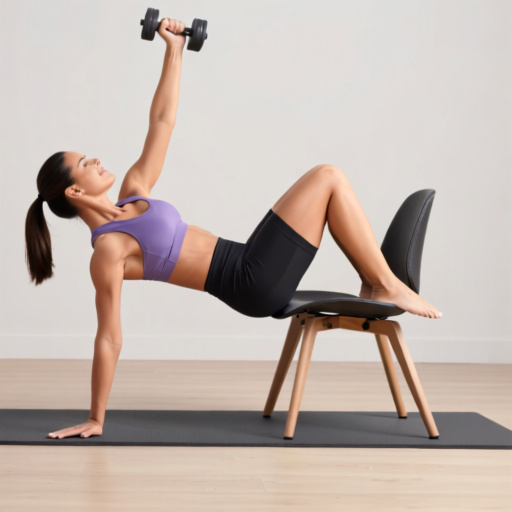
The Wunda Chair, a versatile fitness tool, provides a challenging and effective workout, particularly for core strength. While beginners often focus on foundational movements, intermediate exercises build upon this base, demanding greater stability, control, and muscular endurance. These advanced exercises can significantly elevate the benefits of your Wunda Chair routine.
One crucial progression involves incorporating lateral movements. Starting with the basic Wunda Chair squat, which engages the core for stability, individuals can move into variations like the side squat. This requires the obliques to work harder to prevent lateral flexion, effectively targeting the sides of the torso. The movement can be further intensified by adding small pulses at the top of the squat, increasing the demand on the core muscles. This builds rotational strength essential for many daily activities.
Another effective step up is the Wunda Chair plank. This exercise challenges the core in a static position, requiring constant engagement to maintain a straight line from head to heels. Unlike a traditional plank, the unstable surface of the Wunda Chair adds an element of proprioceptive challenge, forcing the core muscles to actively stabilize the body. Variations can include alternating lifting one leg or arm slightly off the chair, further increasing the difficulty. Consistent practice of the Wunda Chair plank strengthens the deep core muscles, contributing to improved posture and balance.
For those seeking increased intensity, Wunda Chair leg raises are an excellent intermediate exercise. Beginning in a seated position, the user lifts one leg straight out, maintaining control throughout the movement. This targets the lower abdominal muscles and hip flexors while requiring significant core engagement to prevent excessive trunk rotation. Progressing to lifting both legs simultaneously further increases the challenge. It’s important to focus on controlled movements rather than speed to maximize muscle activation and minimize the risk of injury.
Furthermore, Wunda Chair twists provide a dynamic core workout. With feet firmly planted on the floor, the user rotates the torso from side to side, keeping the upper body relatively stable. This exercise effectively targets the obliques and improves rotational power. Variations include holding a small weight or medicine ball to increase the resistance. The controlled, twisting motion enhances core stability and contributes to better athletic performance.
To enhance cardiovascular fitness alongside core strengthening, consider Wunda Chair step-ups. These involve stepping up onto the chair and then back down, engaging the core to maintain balance and control. The repetition of this movement elevates the heart rate while working the quadriceps, hamstrings, and glutes, all while continually engaging the core for stabilization. Progressing to higher step-ups or adding small weights can increase the intensity.
Finally, integrating Wunda Chair bicycle crunches offers a more challenging variation of the traditional bicycle crunch. By bringing the knees towards the chest while simultaneously twisting the torso to bring an elbow towards the opposite knee, users engage the obliques and deeper core muscles more intensely. This exercise requires significant coordination and core stability, making it a powerful addition to an intermediate routine.
These intermediate exercises demonstrate the versatility of the Wunda Chair and offer a pathway to significantly enhanced core strength and stability. Remember to prioritize proper form over speed and gradually increase the intensity as strength and control improve. Consulting with a fitness professional can help tailor a Wunda Chair routine to individual needs and goals.
Advanced Wunda Chair Techniques: Increasing Challenge and Stability
The Wunda Chair, in its fundamental form, provides a substantial cardiovascular and muscular workout. However, its true potential lies in the depth and variety of exercises achievable once a foundational level of control and strength is established. This section explores advanced techniques for the Wunda Chair, focusing on how to progressively increase challenge and enhance stability, thereby maximizing the benefits for fitness and rehabilitation.
Building upon basic movements like the Wunda Chair step and the Wunda Chair squat, advanced techniques introduce elements of instability, dynamic movement, and increased resistance. This isn’t simply about performing repetitions; it’s about cultivating greater body awareness, core engagement, and functional strength. For instance, transitioning from a static Wunda Chair squat to a squat incorporating a controlled rebound adds a significant cardiovascular component and challenges the muscles to work both eccentrically and concentrically.
One key area of advanced training involves incorporating dynamic movements. Instead of holding a position, exercises become fluid and involve transitions. Consider the Wunda Chair pulse, where the feet rhythmically move in and out while maintaining a stable posture. This elevates the heart rate and improves lower body endurance. Similarly, combining leg lifts with the Wunda Chair work requires significant core control to prevent rotation and maintain balance. Such exercises mimic real-life movements, translating to improved agility and coordination.
Furthermore, increasing the challenge often involves manipulating the body’s center of gravity. Exercises performed with one leg elevated or with a slight torso twist demand enhanced stability from the core and stabilizing muscles of the hips and shoulders. The Wunda Chair side leg lift, for example, targets the hip abductors and requires significant control to prevent sideways tipping. Similarly, the chair twist with a weight adds resistance and further challenges core stability.
Stability is paramount in advanced Wunda Chair work. As exercises become more dynamic and involve shifts in weight, the ability to maintain a controlled and balanced posture becomes crucial. This is where consistent practice and proper form are essential. Initiating movements from a stable base – engaging the core muscles before initiating limb movement – is a fundamental principle. A common mistake is relying solely on arm strength for balance, which can lead to inefficient movement and potential strain. Proper breathing patterns also contribute significantly to stability, allowing for controlled exertion.
Here are some examples of advanced Wunda Chair exercises:
- Wunda Chair Pivoting Squats: Performing squats while pivoting on the chair, engaging the core for control.
- Wunda Chair Leg Extensions with Rotation: Extending one leg while simultaneously rotating the torso, challenging core stability.
- Wunda Chair Single-Leg Balance with Arm Movements: Maintaining balance on one leg while performing controlled arm raises or reaches.
- Wunda Chair Glute Kickbacks with Controlled Descent: Engaging the glutes during the kickback and controlling the descent back to the starting position.
- Wunda Chair Bicycle Crunches: Combining core work with dynamic leg movements.
Incorporating these advanced techniques requires a solid foundation in the basic Wunda Chair exercises. It’s highly recommended to progress gradually and to prioritize proper form over speed or repetitions. Consulting with a qualified fitness professional or physical therapist is advisable, especially for individuals with pre-existing conditions or injuries. They can help tailor a program that aligns with individual fitness levels and goals. Ultimately, the Wunda Chair offers a versatile platform for advanced training, providing a challenging and effective way to enhance strength, stability, and cardiovascular fitness.
Correct Form and Common Mistakes on the Wunda Chair: Preventing Injury and Maximizing Results
The Wunda chair is a versatile piece of Pilates equipment, offering a unique blend of strength, stability, and flexibility work. However, its intricate movements demand precise form to reap its benefits and avoid potential injury. Understanding the correct execution of exercises on the Wunda chair is paramount for both beginners and experienced practitioners alike. This section will delve into proper technique and highlight common errors to watch out for, ensuring a safe and effective workout.
Mastering the Core Engagement
A fundamental aspect of all Wunda chair exercises is core engagement. The core muscles – including the abdominals, obliques, and lower back – act as the body’s center of stability. Proper activation prevents excessive strain on other joints and allows for controlled movement. Think of drawing your navel towards your spine throughout each exercise. This creates a stable base and protects the lumbar spine. Insufficient core engagement often leads to compensatory movements, putting stress on the shoulders, hips, or lower back. A strong core isn’t just about aesthetics; it’s the foundation for all effective Pilates practice.
Common Form Errors and Their Solutions
Several common mistakes can compromise the effectiveness and safety of Wunda chair exercises. Recognizing these errors is the first step toward correcting them.
- Rounding the Upper Back: This frequently occurs during exercises like the Wunda Chair Roll Up or the Short Spine. Instead of rounding, focus on maintaining a neutral spine and engaging the abdominal muscles to lift the torso. Imagine a string pulling you up from the crown of your head. This promotes spinal alignment and reduces strain on the neck and back.
- Hyperextending the Lower Back: Conversely, over-arching the lower back is another common error, especially in exercises involving leg extensions. Maintain a slight natural curve in the lumbar spine. This isn’t about avoiding all spinal flexion or extension, but rather controlled and balanced movement.
- Shrugging the Shoulders: Many users inadvertently involve the shoulders in exercises that should primarily target the core and legs. Consciously relax the shoulders and keep them away from the ears during movements like the Wunda Chair Leg Extension or the Wunda Chair Scissors.
- Insufficient Control: Rushing through the movements or using momentum instead of controlled muscle action significantly reduces the workout’s benefits and increases the risk of injury. Focus on slow, deliberate movements, paying close attention to the muscle engagement.
Specific Exercise Considerations
Different Wunda chair exercises emphasize different muscle groups and present unique form challenges.
- Wunda Chair Roll Up: This exercise targets the abdominal muscles but requires careful control. Avoid using momentum to roll up. Instead, initiate the movement with abdominal contraction and slow, controlled lifting. The goal is a smooth, undulating motion, not a jerky one.
- Wunda Chair Leg Extension: Proper form here involves maintaining a stable pelvis and avoiding arching the lower back. The movement should come primarily from the quadriceps muscle of the extended leg. Focus on a full extension without locking the knee.
- Wunda Chair Scissors: This exercise works the hip flexors and abdominal muscles. Maintain a stable torso and avoid swinging the legs. The movement should be small and controlled, focusing on the engagement of the core muscles to lift and lower the legs.
Injury Prevention Strategies
Prioritizing proper form is crucial for injury prevention. Here are some key strategies:
- Start Slowly: Begin with simpler variations of exercises and gradually increase the difficulty as strength and control improve.
- Listen to Your Body: Pay attention to any pain or discomfort and stop if necessary. Do not push through pain.
- Seek Guidance: Working with a qualified Pilates instructor is highly recommended, especially when learning new exercises. A professional can provide personalized feedback and ensure proper technique.
- Warm-up and Cool-down: Always warm up the muscles before exercising and cool down afterward to prevent injury and promote recovery.
The Wunda chair offers a powerful and effective workout when performed with correct form. By understanding common mistakes and implementing injury prevention strategies, individuals can maximize the benefits of this versatile piece of equipment and achieve their fitness goals safely.
Integrating the Wunda Chair into a Comprehensive Core Workout Program
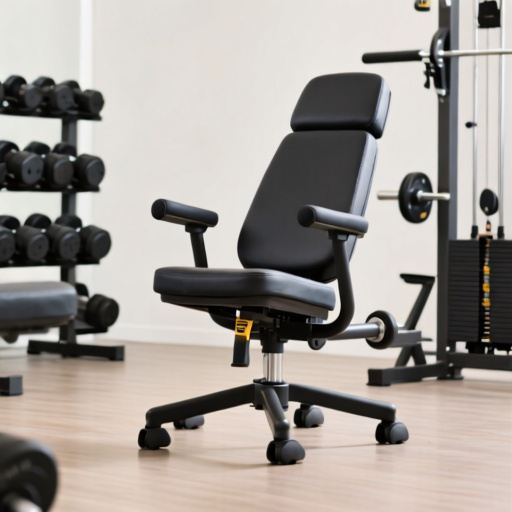
The Wunda Chair is more than just an exercise apparatus; it’s a versatile tool that significantly enhances core strength, stability, and control. Integrating it into a comprehensive core workout program offers a progressive challenge that goes beyond traditional exercises like planks and crunches. Its unique resistance system, utilizing a spring mechanism, provides a dynamic and adaptable load, catering to various fitness levels, from beginners to advanced athletes. By incorporating the Wunda Chair, individuals can develop a deeper understanding of their core musculature and improve functional movement patterns.
A well-rounded core workout typically addresses all aspects of core strength – anterior, posterior, and lateral. The Wunda Chair excels at targeting these different areas. Exercises like the Wunda Chair Squat and Wunda Chair Roll-out effectively engage the abdominals, obliques, and lower back. The resistance forces the core to work isometrically to maintain stability throughout the movement, unlike many core exercises that rely on concentric and eccentric contractions. This focus on isometric strength is crucial for everyday activities and injury prevention.
One effective way to incorporate the Wunda Chair is through a circuit training format. This involves performing a series of exercises one after the other with minimal rest, followed by a brief rest period before repeating the circuit. A sample circuit could include:
- Wunda Chair Squats: 10-15 repetitions
- Wunda Chair Roll-outs: 8-12 repetitions
- Wunda Chair Side Bends: 10-15 repetitions per side
- Wunda Chair Footwork: 15-20 repetitions per leg
Performing 2-3 rounds of this circuit can provide a challenging and effective core workout. The intensity can be adjusted by modifying the range of motion or the resistance level of the chair. Beginners might start with smaller ranges of motion and lower resistance, gradually progressing as their strength improves.
Beyond basic strengthening, the Wunda Chair promotes improved proprioception—the body’s awareness of its position in space. The instability inherent in many Wunda Chair exercises requires constant micro-adjustments by the core muscles to maintain balance. This heightened awareness translates to better stability during other physical activities, such as running, jumping, and lifting. Studies have shown that functional core training, which often utilizes equipment like the Wunda Chair, can lead to significant improvements in athletic performance and a reduced risk of lower back pain.
Consider a scenario where a client, a recreational runner, incorporates Wunda Chair exercises into their routine. Initially, they may struggle with the Roll-out, demonstrating weakness in their core stabilizers. Through consistent practice and gradual progression, they develop the necessary strength to perform the exercise with proper form. This improved core stability translates to a more efficient running gait, reducing energy expenditure and potentially lowering the risk of running-related injuries.
To effectively integrate the Wunda Chair, proper form is paramount. It’s essential to focus on engaging the core throughout each exercise and avoiding compensatory movements. Beginners should consider working with a qualified fitness professional to learn the correct technique and ensure they are using the equipment safely. Furthermore, incorporating a variety of Wunda Chair exercises into a program prevents plateaus and ensures comprehensive core development. The dynamic resistance offered by the chair continually challenges the musculature, promoting ongoing strength gains.
Wunda Chair Variations for Targeted Core Development: Obliques and Deep Core Muscles
The Wunda Chair isn’t just for overall leg and glute strength; it’s a surprisingly versatile tool for sculpting a powerful and defined core. Its unique design, with the adjustable pedal and the chair’s inherent instability, forces the deep core muscles – the transversus abdominis, oblique muscles, and multifidus – to work intensely for stabilization. This section explores various Wunda Chair exercises specifically targeting the obliques and deep core, offering a range of options for different fitness levels.
Oblique Sculpting
Obliques, located on the sides of the abdomen, are crucial for rotational movements, bending, and twisting. Several Wunda Chair exercises effectively isolate and strengthen these muscles.
1. Wunda Chair Side Bends: This exercise directly targets the obliques. Sit on the Wunda Chair with your feet flat on the floor and your back straight. Hold the handles firmly. Slowly lean to one side, feeling the stretch in your oblique muscles. Return to the center and repeat on the other side. To increase the intensity, hold a small weight in your hands. This controlled lateral flexion builds strength and definition in the side abdominal muscles.
2. Wunda Chair Oblique Crunches: This variation on the traditional crunch adds a challenging rotational element. Sit tall on the Wunda Chair, holding the handles. Bring one knee towards your chest while rotating your torso towards that side. Focus on engaging the obliques to initiate the rotation, rather than simply pulling with your arm. Alternate sides for a full range of oblique work. Maintaining a stable core throughout is key to preventing lower back strain.
3. Wunda Chair Russian Twists: This dynamic exercise works the obliques through rotational movement. Sit on the Wunda Chair with your knees bent and feet lifted slightly off the floor. Hold your hands together in front of your chest. Twist your torso to one side, bringing your hands towards the floor (or a weight if desired), then repeat on the other side. The instability of the chair amplifies the oblique engagement, making it a highly effective exercise.
Deep Core Strengthening
The deep core muscles provide stability to the spine and pelvis, acting as a foundation for all movement. Engaging these muscles is essential for injury prevention and improved posture. The Wunda Chair’s instability inherently challenges these deep stabilizers.
1. Wunda Chair Plank: Performing a plank on the Wunda Chair elevates the body slightly, increasing the demand on the core for stabilization. Place your forearms on the chair and extend your legs back, maintaining a straight line from head to heels. Actively draw your navel towards your spine and engage your core to prevent your hips from sagging or lifting. Hold this position for as long as you can maintain proper form.
2. Wunda Chair Hollow Body Hold: This advanced exercise requires significant core strength and control. Lie on your back on the Wunda Chair with your arms extended overhead and your legs straight. Using your core, lift your head, shoulders, and legs off the chair, creating a slight curve in your body. Hold this position, focusing on maintaining a flat back and engaging your deep core muscles. This exercise significantly improves spinal stability.
3. Wunda Chair Dead Bugs: Lie on your back on the Wunda Chair with your knees bent at a 90-degree angle and your arms extended towards the ceiling. Slowly lower one arm and the opposite leg towards the floor simultaneously, keeping your lower back pressed against the chair. Return to the starting position and repeat on the other side. The controlled, coordinated movement requires precise core engagement to prevent rotation.
4. Wunda Chair Bird Dog: Start on your hands and knees on the Wunda Chair. Engage your core and simultaneously extend one arm forward and the opposite leg backward, keeping your body in a straight line. Hold for a moment and then return to the starting position. Repeat on the other side. This exercise challenges core stability while also improving balance.
The Wunda Chair offers a unique and effective way to target the obliques and deep core. By incorporating these variations into your routine, individuals can build a stronger, more stable core, leading to improved athletic performance and overall functional fitness. Remember to prioritize proper form over the number of repetitions to maximize results and minimize the risk of injury.
Maximizing Your Wunda Chair Workouts: Best Practices for Consistent Progress and Long-Term Core Strength
Consistent progress with the Wunda Chair relies on understanding its unique mechanics and incorporating strategic best practices into your routine. This section delves into how to effectively utilize this versatile piece of equipment to build robust core strength and achieve long-term fitness goals.
The Wunda Chair’s effectiveness stems from its ability to offer resistance in multiple planes of motion. Unlike many other core exercises that primarily focus on flexion, the Wunda Chair engages the entire core – anterior, lateral, and posterior muscles – requiring stabilization and control throughout the full range of movement. This comprehensive engagement leads to more balanced core development and improved functional strength applicable to everyday activities and other exercises.
To maximize workouts, prioritize proper form over repetitions. The Wunda Chair demands meticulous technique. Incorrect form can lead to ineffective muscle engagement and potentially increase the risk of injury. Beginners should start with lower resistance levels and focus on controlled movements, gradually increasing the challenge as strength improves. Body awareness is crucial; practitioners should actively engage their core muscles throughout each exercise, feeling the stabilization required to control the chair’s movement.
A well-rounded Wunda Chair program incorporates a variety of exercises targeting different aspects of core strength. Consider these key elements:
- Flexion Exercises: These movements involve bending forward at the hips, primarily engaging the abdominal muscles. Examples include the Wunda Lie-Down and Wunda V-Ups.
- Extension Exercises: These exercises focus on strengthening the lower back muscles. The Wunda Chair Back Extension is a prime example, challenging the erector spinae.
- Lateral Flexion Exercises: These movements target the obliques, essential for rotational stability. Exercises like the Wunda Chair Side Bends are effective.
- Rotation Exercises: These engage the core in twisting motions, crucial for many athletic movements and daily tasks. The Wunda Chair Twist is a valuable addition.
- Stabilization Exercises: These focus on maintaining a neutral spine and controlling the chair’s movement without significant range of motion. The Wunda Chair Holds are excellent for this purpose.
Consistency is paramount for long-term progress. Aim for 2-3 Wunda Chair sessions per week, allowing for adequate rest between workouts to facilitate muscle recovery. A progressive overload approach is recommended. This means gradually increasing the difficulty of exercises over time. Progressions can include:
- Increasing Resistance: The Wunda Chair utilizes a pneumatic system, and increasing the resistance level offers a straightforward way to challenge muscles.
- Modifying Exercise Range: Gradually increasing the range of motion (within proper form) can enhance the challenge.
- Altering Tempo: Slowing down the movement during both the concentric (muscle shortening) and eccentric (muscle lengthening) phases increases the time under tension.
- Adding Repetitions or Sets: As strength improves, the number of repetitions or sets can be increased.
It’s also important to combine Wunda Chair workouts with other forms of exercise, such as cardiovascular training and strength training targeting other muscle groups. A holistic approach to fitness yields the most comprehensive benefits. Many fitness professionals advocate for a balanced routine that addresses all aspects of physical conditioning.
Consider incorporating dynamic warm-up exercises before each Wunda Chair session. This prepares the muscles and joints for the workout, reducing the risk of injury. Examples include torso twists, leg swings, and arm circles. Similarly, a cool-down with static stretches after the workout helps improve flexibility and promote recovery.
The Wunda Chair isn’t just for advanced fitness enthusiasts. Modifications can be made to suit various fitness levels. Beginners can use lower resistance and focus on mastering the basic movements. More advanced individuals can explore complex variations and increase the intensity through tempo changes and added resistance. Remember to listen to your body and adjust the workout accordingly.
Frequently Asked Questions
- What is the Wunda Chair and what is it used for?
The Wunda Chair is a Pilates equipment known for challenging strength, stability, and control. It’s used for a variety of exercises targeting the core, improving muscular endurance, and enhancing flexibility.
- How does the Wunda Chair work?
The Wunda Chair utilizes a running wheel that provides resistance. Springs within the frame adjust the resistance level, allowing for progressive training. Users engage their core and other muscle groups by pushing against this wheel and performing controlled movements.
- What are the benefits of using the Wunda Chair?
Regular Wunda Chair workouts strengthen the core, improve muscular endurance and flexibility, enhance proprioception (body awareness) and contribute to better balance and coordination.

0 Comments