
Reformer Pilates Machine: Top Features to Consider

Understanding the Reformer Pilates Machine: Anatomy, Benefits & Core Principles
The Reformer Pilates machine is a cornerstone of contemporary Pilates practice, offering a versatile and adaptable workout experience. Unlike mat Pilates, the Reformer utilizes a system of springs, pulleys, and a carriage to provide resistance and support, enhancing the effectiveness of exercises and targeting muscles in unique ways. Understanding its anatomy and core principles is essential for appreciating its benefits and maximizing its potential.
Anatomy of the Reformer
The Reformer consists of several key components working in concert. The main elements include:
- Carriage: This is the flat platform you lie or sit on during exercises. It slides back and forth along rails.
- Springs: These provide resistance, varying in color and tension to accommodate different strength levels and exercise demands. Each spring exerts a specific amount of force.
- Pulleys and Straps: A system of pulleys and adjustable straps allows for a wide range of exercises, enabling both controlled resistance and assistance.
- Frame: The sturdy steel frame houses all the components and provides stability during workouts.
- Footbar: A bar at one end of the carriage used for leg and footwork exercises, offering support and resistance.
The interplay of these elements allows for a dynamic and controlled movement experience. The springs create resistance against the carriage’s motion, challenging muscles throughout the range of movement. The straps provide various grip options, influencing muscle engagement and exercise variations.
Key Benefits of Reformer Pilates
The Reformer offers a multitude of benefits, contributing to improved physical well-being. Its unique design promotes strength, flexibility, and body awareness.
- Enhanced Core Strength: The controlled movements and resistance on the Reformer effectively engage deep core muscles, leading to improved stability and posture.
- Increased Muscle Strength and Endurance: The variable resistance offered by the springs allows for targeted muscle strengthening and endurance development. Exercises can be adjusted to challenge muscles at various levels.
- Improved Flexibility and Range of Motion: The Reformer facilitates controlled stretching and lengthening of muscles, enhancing overall flexibility and joint mobility.
- Injury Rehabilitation and Prevention: The low-impact nature of Reformer Pilates makes it suitable for individuals recovering from injuries or seeking to prevent future ones. The controlled movements minimize stress on joints.
- Improved Posture and Body Alignment: By strengthening core muscles and promoting awareness of body alignment, Reformer Pilates contributes to better posture.
Many individuals find that incorporating Reformer Pilates into their fitness routine leads to noticeable improvements in their overall physical condition and body composition.
Core Principles of Reformer Pilates
Several core principles guide effective Reformer Pilates practice. Understanding these principles helps practitioners optimize their workouts and achieve desired results.
- Core Engagement: Maintaining consistent engagement of the deep core muscles throughout each exercise is paramount. This provides stability and protects the spine.
- Controlled Movement: Exercises are performed with deliberate and controlled movements, avoiding momentum. This ensures targeted muscle engagement and reduces the risk of injury.
- Breath Synchronization: Coordinating breath with movement is crucial. Typically, exhaling during exertion and inhaling during return to the starting position enhances muscle activation and promotes relaxation.
- Precision and Alignment: Paying close attention to proper form and body alignment is essential for maximizing the benefits and preventing improper strain.
- Spring Resistance Progression: Exercises are often progressed by adjusting the spring tension, gradually increasing the challenge as strength and control improve. This allows for a personalized and progressive workout.
Experienced instructors guide clients in understanding and applying these principles, ensuring safe and effective workouts. The Reformer machine’s design inherently encourages proper form due to the controlled nature of its movements.
A Real-World Scenario
Consider Sarah, a freelance graphic designer who spent long hours sitting at a desk. She often experienced back pain and felt a lack of core strength. After incorporating Reformer Pilates into her weekly routine for several months, she reported a significant reduction in back pain and noticed improved posture. She attributed this to the emphasis on core engagement and the controlled movements of the Reformer, which strengthened her back and abdominal muscles. This illustrates how targeted exercise on the Reformer can address specific physical concerns and improve overall well-being.
Decoding Reformer Pilates: Components, Mechanics, and Exercise Variations
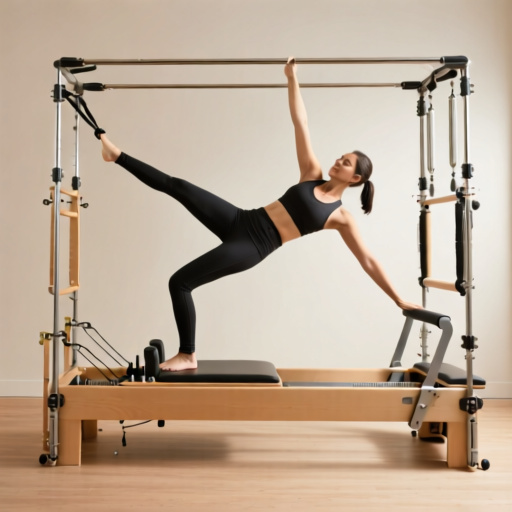
The Reformer Pilates machine offers a unique approach to fitness, distinct from mat Pilates. Its innovative design incorporates a carriage that moves along rails, powered by adjustable springs. This system provides both resistance and assistance, allowing for a wide range of exercises targeting strength, flexibility, core stability, and body awareness. Understanding the components and mechanics of the Reformer is key to appreciating its benefits and the variety of exercises it enables.
Key Components of a Reformer
Several parts work in concert to create the Reformer’s functionality. The main components include:
- Carriage: This is the flat platform where the user performs exercises. It glides along the rails, facilitated by the spring system.
- Spring System: A series of springs located beneath the carriage provide adjustable resistance. The number and strength of the springs determine the difficulty of the exercise.
- Footbar: A padded bar at one end of the carriage used by the feet for various exercises. Its height is adjustable to accommodate different body types and exercise variations.
- Headrest: Provides support for the head and neck during exercises that involve lying down.
- Shoulder Blocks: Adjustable blocks that help stabilize the upper body during exercises.
- Races: The rails along which the carriage travels.
- Cable System: Cables and pulleys provide additional resistance and support, enabling a broader spectrum of movements.
How the Reformer Works: Understanding the Mechanics
The Reformer’s effectiveness stems from its ability to offer controlled resistance in multiple planes of motion. Unlike bodyweight exercises, the Reformer allows for progressive overload – gradually increasing the resistance to challenge muscles further. This is achieved by adjusting the spring tension. The spring system also provides assistance, making exercises accessible to individuals with varying fitness levels.
The carriage movement is facilitated by a pulley system connected to the springs. This allows for smooth, consistent motion, minimizing strain on joints. The user’s body weight, combined with the spring resistance, creates a dynamic workout experience. The ability to adjust spring tension allows instructors to tailor exercises to individual needs, whether a beginner seeking gentle strengthening or an advanced individual aiming for a high-intensity workout. This adaptability is a significant advantage over fixed-resistance equipment.
Exploring Exercise Variations
The Reformer offers an extensive repertoire of exercises. These can be broadly categorized based on the muscle groups targeted, although many exercises engage multiple muscle groups simultaneously.
- Leg Exercises: These often utilize the footbar and focus on strengthening the legs and glutes. Examples include leg presses, hamstring curls, and leg extensions. The Reformer allows for controlled movement throughout the entire range of motion, emphasizing muscle engagement.
- Core Exercises: Many Reformer exercises prioritize core stability and strength. Exercises like Pilates roll-ups, shoulder taps, and leg circles challenge the deep core muscles. The resistance provided by the springs helps to activate these muscles effectively.
- Upper Body Exercises: Using the footbar or straps, the Reformer enables exercises for the arms, shoulders, and back. Chest presses, rows, and tricep extensions are common examples. The controlled movement ensures proper form and reduces the risk of injury.
- Back Exercises: The Reformer facilitates exercises to strengthen the back muscles. Swimming and back extensions utilize the carriage’s movement to target the erector spinae and other back muscles.
The versatility of the Reformer allows for continuous progression. Beginners can start with lighter spring tensions and simpler exercises, gradually increasing the difficulty as their strength and control improve. Experienced individuals can challenge themselves with more complex variations and higher resistance levels.
Real-World Application: Reformer Pilates for Injury Rehabilitation
The controlled and adaptable nature of Reformer Pilates makes it a valuable tool in physical therapy and injury rehabilitation. For instance, individuals recovering from knee injuries can perform modified leg presses with low resistance to rebuild strength without excessive stress on the joint. The ability to precisely control the movement and resistance allows therapists to tailor exercises to the specific needs of each patient. Studies have shown that Reformer Pilates can improve muscle strength, flexibility, and core stability in individuals recovering from various musculoskeletal injuries. The consistent and controlled movements aid in restoring proper biomechanics.
Conclusion
The Reformer Pilates machine is a powerful tool for achieving a comprehensive fitness regimen. Its adjustable resistance, controlled movement, and versatility cater to a wide range of fitness levels and goals. From strengthening core muscles to improving flexibility and aiding in rehabilitation, the Reformer offers a truly dynamic and effective workout experience. The ability to precisely manipulate resistance and movement patterns distinguishes it from mat Pilates and other fitness equipment, making it a valuable asset for individuals seeking a well-rounded approach to physical well-being.
Reformer Pilates for Every Level: Building a Personalized Workout Routine
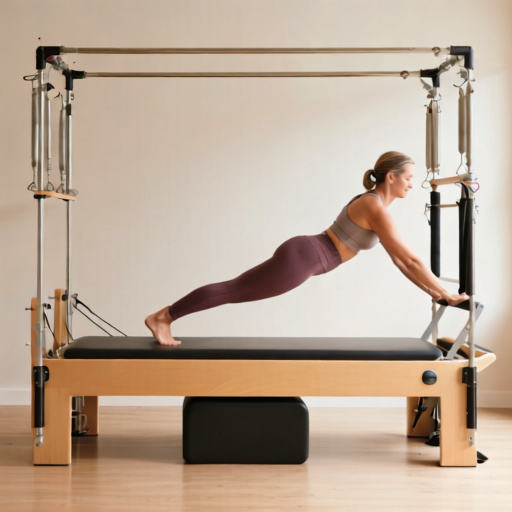
The reformer Pilates machine offers a versatile workout experience suitable for individuals of all fitness levels. Its adjustable resistance and spring system allow for modifications, making it accessible to beginners while still providing a challenging workout for advanced practitioners. Building a personalized workout routine on the reformer involves understanding different exercises, tailoring them to individual needs and goals, and progressing gradually.
For those new to reformer Pilates, starting with foundational exercises is crucial. These build the necessary strength and stability. Basic movements like footwork, reformer push-ups, and pelvic tilts help establish proper form and body awareness. Instructors often begin with modifications, utilizing the footbar or straps for support. This introductory phase focuses on mastering the fundamental principles of Pilates – core engagement, controlled movement, and breath synchronization.
As fitness levels progress, a wider range of exercises can be incorporated. These might include leg slides, hamstring curls, trunk rotation, and various arm exercises. The reformer’s springs can be adjusted to increase resistance, providing a greater challenge to muscles. A typical intermediate routine might include 10-15 repetitions of several exercises, performed with consistent form and controlled breathing. This level often involves a deeper focus on core stabilization and precise muscle activation, moving beyond the basic movements to more complex sequences.
Advanced reformer Pilates routines often incorporate more challenging variations and combinations. Exercises like kick-backs, press-throughs, and lunges with resistance demand significant strength and control. Individuals at this level frequently utilize more advanced spring settings and explore off-center movements to further engage stabilizer muscles. Many studios offer specialized classes catering to advanced practitioners, focusing on specific areas like strength, flexibility, or injury rehabilitation.
Creating a truly personalized routine involves considering individual goals. Someone aiming to increase core strength might prioritize exercises like the reformer teaser and roll-ups. An individual focusing on flexibility might incorporate more stretches and movements that lengthen the muscles. A person recovering from an injury would benefit from a routine designed with modifications and focusing on controlled movements within a safe range of motion. Consulting with a qualified reformer Pilates instructor is highly recommended to develop a program tailored to specific needs and to ensure proper form throughout.
Here are some key considerations for building a personalized routine:
- Assess Your Current Fitness Level: Honest self-assessment helps determine a suitable starting point.
- Define Your Goals: Whether it’s strength, flexibility, or rehabilitation, clear goals guide exercise selection.
- Focus on Proper Form: Maintaining correct alignment is paramount to prevent injury and maximize effectiveness.
- Gradually Increase Resistance: Progress slowly as strength improves, adjusting spring settings accordingly.
- Listen to Your Body: Pay attention to pain signals and modify exercises as needed.
- Incorporate Variety: Mix up exercises to challenge different muscle groups and prevent plateaus.
- Consider Professional Guidance: A qualified instructor can provide personalized instruction and modifications.
The adaptability of the reformer allows for continuous progression. Even seasoned Pilates enthusiasts can find new challenges and refine their technique. By understanding the principles of reformer Pilates and taking a thoughtful approach to routine building, individuals at every level can unlock the many benefits this effective exercise method offers. Regular practice, combined with mindful movement and proper form, is the key to achieving lasting results.
Advanced Reformer Pilates: Optimizing Form, Progression, and Injury Prevention
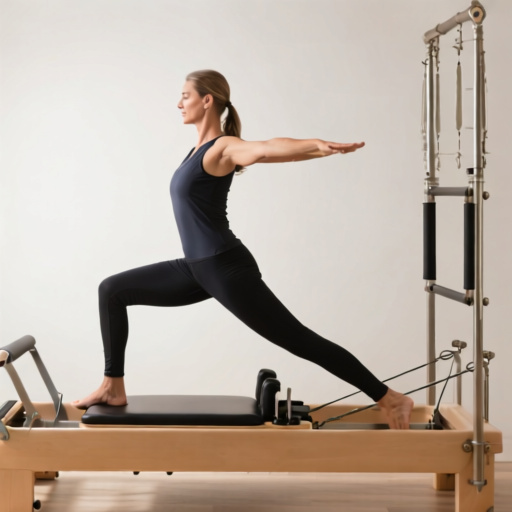
Reformer Pilates offers a dynamic pathway for experienced practitioners seeking to refine their technique and elevate their fitness. Beyond foundational exercises, advanced reformer work focuses on intricate movements, increased resistance, and a deeper understanding of body mechanics. This section delves into key aspects of advanced reformer Pilates, focusing on optimizing form, implementing effective progressions, and prioritizing injury prevention.
Refining Form for Complex Movements
As proficiency grows, the emphasis shifts from mastering basic movements to executing more complex sequences with impeccable form. This requires heightened body awareness and controlled muscle engagement. Practitioners should pay close attention to subtle shifts in weight, the precise timing of movements, and the engagement of core stabilizers throughout each exercise. For instance, exercises involving diagonal movements, like the spinal rotation with foot bar, demand exceptional core control to prevent twisting injuries. Instructors often utilize cues focusing on lengthening through the spine and maintaining a neutral pelvis to guide students in achieving optimal form.
Progressive Overload and Exercise Variation
Progressing in reformer Pilates isn’t simply about increasing the number of repetitions. Effective progression involves strategically modifying exercises to challenge strength, stability, and flexibility. This can be achieved through several methods. Increasing the resistance level on the springs is a common approach, requiring greater muscular effort. Another method involves altering the body position, such as moving from a seated to a lying position for leg exercises, thereby increasing the load. Introducing more challenging variations of fundamental exercises, like progressing from a basic footwork exercise to a more complex sequence incorporating arm movements, also fosters advancement.
Consider the exercise known as the “five-position leg press.” A beginner might perform this with minimal resistance. As strength increases, the practitioner can progress by adding more springs, increasing the speed of the movement while maintaining control, or incorporating a small pulse at the top of the movement. This gradual increase in challenge, known as progressive overload, is crucial for continued improvement.
Injury Prevention Strategies in Advanced Practice
The complexity of advanced reformer exercises necessitates a proactive approach to injury prevention. Maintaining proper alignment, engaging the core consistently, and listening to the body’s signals are paramount. Insufficient core engagement can lead to back pain, while improper alignment can strain joints. Regular attention to breath is also vital; coordinating breath with movement helps stabilize the torso and enhance control.
Furthermore, instructors should emphasize the importance of warm-up and cool-down routines that specifically target the muscles engaged in reformer Pilates. Dynamic stretching before a session prepares the muscles for movement, while static stretching afterward promotes flexibility and reduces muscle soreness. It’s also important to note that individuals with pre-existing conditions or injuries should consult with a healthcare professional before undertaking advanced reformer Pilates. A well-informed instructor will be able to modify exercises to accommodate individual needs and limitations, ensuring a safe and effective workout. This might involve suggesting alternative exercises or reducing the range of motion.
The Role of Instructor Expertise
Guiding individuals through advanced reformer Pilates requires a highly skilled and knowledgeable instructor. Beyond a thorough understanding of reformer mechanics, an experienced instructor possesses the ability to observe subtle form deviations and provide targeted corrective cues. They can intelligently design progressive sequences that challenge students without compromising safety. They also understand how to integrate principles of biomechanics and movement science to optimize results and prevent injury. A strong instructor will foster a mindful approach to exercise, emphasizing quality of movement over quantity.
Empowering Clients Through Understanding
Educating clients about the principles behind advanced reformer exercises empowers them to take ownership of their practice and contribute to their own safety. Explaining the muscles being engaged, the mechanics of the movement, and the rationale behind progressions fosters a deeper understanding of their bodies and how they move. This knowledge allows clients to make informed decisions about their workout and identify potential issues before they escalate into injuries.
Frequently Asked Questions
- What are the key components of a Reformer Pilates machine?
The main components include the carriage, springs, pulleys and straps, frame, and footbar. Each part works together to provide resistance and support during exercises.
- How does the Reformer machine benefit my workout?
The Reformer enhances workouts by offering variable resistance through its springs, allowing for targeted muscle strengthening and improved flexibility. It also promotes core stability and better body awareness.
- Is Reformer Pilates suitable for all fitness levels?
Yes, Reformer Pilates can be adapted to various fitness levels. The resistance can be modified using different springs, making it accessible to beginners and experienced practitioners alike.

0 Comments